When Homeowners Insurance for Roof Leak Damage
Gets Denied
Not every leak will commence a payment. Homeowners' insurance for roof leak claims relies completely on what caused the water damage to the most important part of your home, the roof. A tree branch crashing on your roof in the course of a storm is a covered occurrence. More often, it's not a sudden roof breach but instead is a leak that has been slowly brewing for months because of deteriorating flashing.
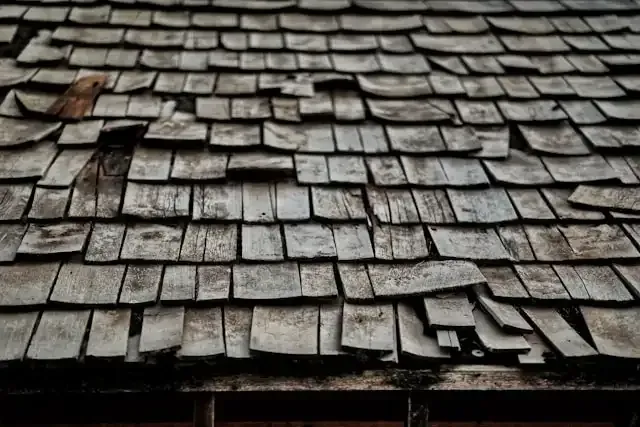
Insurers refer to this as the difference between sudden, accidental harm and wear-and-tear. If mold, rot, or long-term staining is found anywhere inside the home, adjusters frequently cite that as a maintenance issue and flag it not a storm claim and, of course, maintenance issues are not covered.
And this is why regular checks on your roof are so important. If you spot a little leak early on before it turns into a mold issue, your claim will stay clean if an actual storm event happens later.
What Homeowners Can Actually Do About It
You are NOT powerless against the tide of roofing insurance issues. Being a step or two ahead of the problem can be as easy as following a few simple steps.
- Get an annual roof inspection. It may cost a few hundred dollars, but an annual roof inspection can help to prove that you have been keeping your roof in good repair should you need to file a claim in the future.
- Take pictures of your roof every season. These can serve as proof of the condition of your roof prior to a storm and be posted on your home’s website in the event of a claim.
- Read your insurance policy regarding age and depreciation prior to a loss, not after the loss.
- In costs for new roofs. Also, find out if your insurance company offers any discounts to homes with newly replaced roofs with impact-resistant materials, such as SC wind-rated roofs.
- Get a 2nd opinion from a local roofer. Insurer estimates are often lower than actual costs to repair damage. In our experience, after assessing damages ourselves and reviewing an insurer’s estimate, our clients are pleasantly surprised at the difference in costs when comparing the two.
Make sure a denied claim does not surprise you!
Schedule a professional inspection report to support your insurance claim before the next storm arrives.
Schedule my roof inspection!
Frequently Asked Questions
1. Why is South Carolina roofing insurance getting harder to find?
With the recent rise in frequency of storms and higher cost of repairs, insurance companies across South Carolina are changing the underwriting of homeowners to confirm that they have a solid roof over their heads that can withstand strong winds.
2. My wind damage roof insurance claim was denied. What can I do?
Demand that the adjuster provides a detailed report of the inspection of your roof for wind damage. Get a roof inspection for wind damage by a licensed independent roof inspector. File a complaint with the SC Department of Insurance if you believe the denial of your claim to be unfair.
3. Does homeowners' insurance for roof leak damage cover slow leaks?
No, most standard Homeowners Policy forms exclude slow leak damage to the roof covering. A slow leak of water into the home through a roof deficiency is a gradual wear and tear type of loss. Such damage is typically not covered by the terms of your policy unless there is sudden and severe damage to the roof covering, such as may occur during a severe thunderstorm with high winds.
4. Can I still get coverage if my roof is over 20 years old?
Insuring a very old roof may be written on an ACV basis, or they may require an inspection before they will even renew your policy.