Metal Roofing in South Carolina: Wind Ratings & Long-Term Value

August 13, 2026

Key Takeaways 


  • Hurricane-rated metal roofing has been put through laboratory testing to withstand sustained winds of up to 140 mph, more than double the wind speed rating of standard asphalt shingle roofing materials, which are rated for sustained winds of 60- 70 mph. 
  • High humidity and exposure to salt in coastal areas can damage the finish on an unprotected steel roof in as little as 3 years, so the coating is as important as the wind rating. 
  • Homeowners with wind-resistant roofs in South Carolina have saved more than 50% on the wind portion of their premium. (Source: Insurance Institute for Business & Home Safety, IBHS) 


Introduction 


Roofs in South Carolina face two main challenges: wind and salt air. Charleston and Myrtle Beach both sit in hurricane-prone corridors, with tropical systems posing the bigger seasonal risk to coastal roofs than north-easters, which more commonly affect the Northeast and Mid-Atlantic coastlines. 


When it comes to the different types of metal roofing available in South Carolina, it is best to compare the roof wind rating and the amount of protection that the metal roof will get from the salt air as opposed to the color of the metal roofing. 


Understanding Wind Ratings for Your Roof 


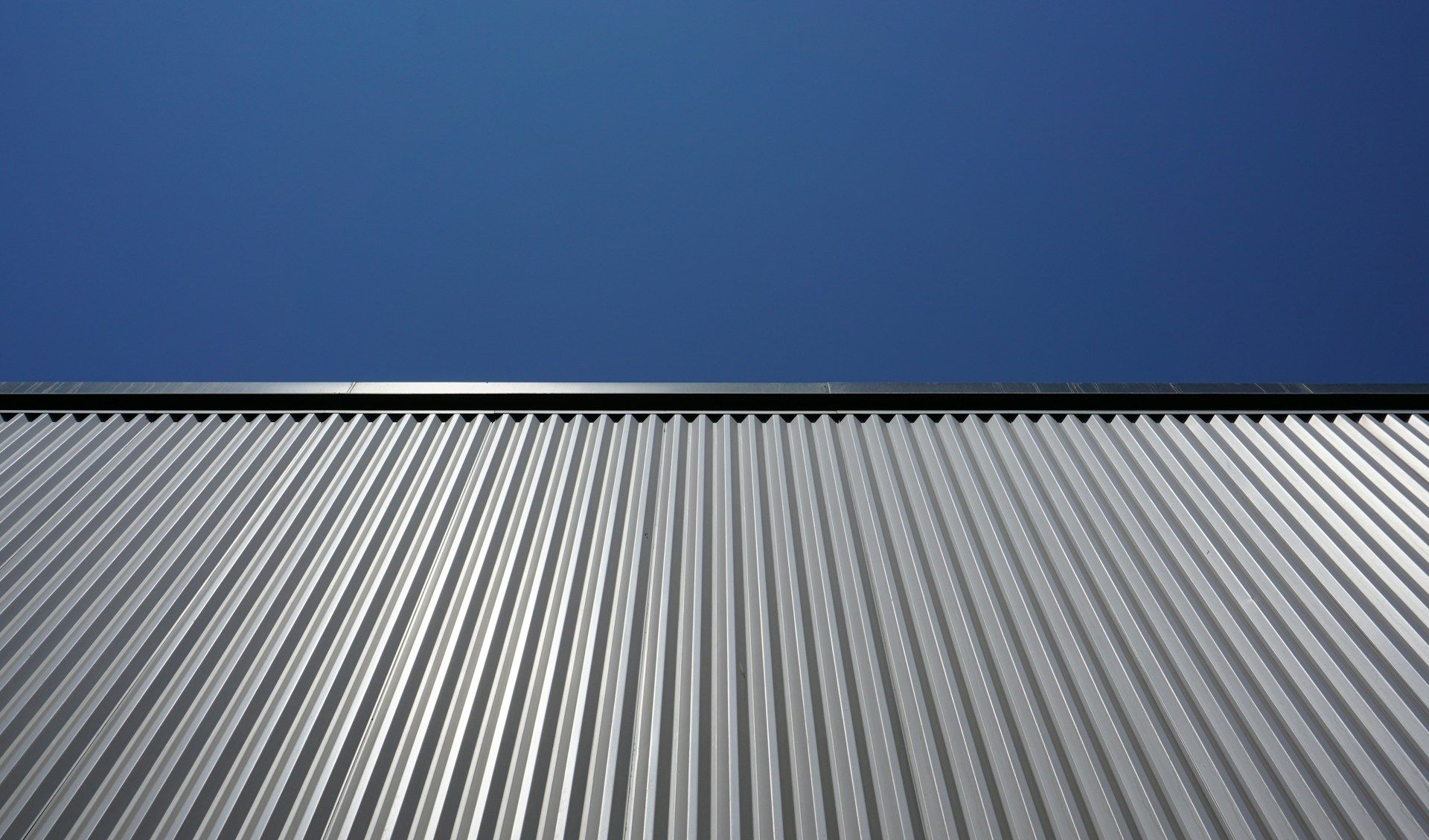
This isn't just a marketing claim; roofs are tested for wind ratings. It is a laboratory number: the continuous wind velocity at which roof system panels pull up, or fasteners break down. Standard three-tab shingles have a 60 to 70 mph rating. Metal roofs rated for hurricanes or higher winds are tested to withstand up to 140 mph (and higher values with engineered systems) when using standing seam panels. 


That gap really matters. A Category 2 hurricane can bring winds around 96 to 110 mph, and while that’s still very much in the zone where hurricane grade metal roofing can hold up, it’s also enough to yank standard shingles loose, bit by bit, if they aren’t made for that kind of stress. For South Carolina homeowners, the decision isn’t really about appearance, not even close. It’s about which roof stays attached to the house by morning, not which one simply looked good on day one. 


Salt Air Roof Damage: The Coastal Problem Nobody Talks About 


Wind gets the headlines. Salt gets the roof. Roof deterioration caused by salt air is a slow, steady process, and corrosion acts on fasteners, seams and cutting edges long before the storm shows up. The homes closest to the water begin to show stress first, starting at the exposed edges. 


The coating specification is more important than the panel style because aluminum and Galvalume steel manufactured to be corrosion resistant are coated much better for protection against corrosion. Before you inquire about color, find out what coating system your roofer is using, and why. 


All the roofs we've inspected in Charleston, Myrtle Beach and Columbia have been rusting out like this. Roofs that perform badly and fail earlier in their lifespan have at most only succumbed to wind as a secondary cause. People get ready for storms but fail to prepare for the rest of the year for salt air. 


Not sure if your current roof would survive this year's storm season? 


Allow a local Carolina roofing team (directly working with your insurance company) to inspect for free. 


Schedule Your Free Inspection → 


Metal Roof Cost in South Carolina: What You're Actually Paying For 


A metal roof costs more upfront than asphalt shingles. The price of a metal roof is higher than asphalt long-term, and the exact figure depends on panel type, roof size, etc., whether you are running exposed fastener or standing seam. 


A coastal shingle roof only lasts 15-20 years, less if wind and salt beat it up prematurely. In this climate, metal roofing, at least when paired with reasonable upkeep, can readily be expected to last 40 to 70 years, transforming a single investment into decades of savings. Factor in fewer replacements, reduced cooling costs, and the insurance discount below, and the numbers flip quickly. 


The Insurance Institute for Business & Home Safety (IBHS) conducted a 2016 Google survey of wind-resistant roofs and found up to 17 South Carolina insurers were willing to give them discounts on the wind component of their policy premium, with some savings over half. 


The Bottom Line 


A South Carolina roof is expected to do two things: endure the wind and resist the air between storms. Instead of years, Metal takes decades to earn its upfront price by doing both. Get the wind rating and coating spec in writing – before you authorize another shingle replacement (not just the sales pitch). 


Frequently Asked Questions 


1. Is a hurricane-rated metal roof worth it in South Carolina? 


Yes, generally for most coastal and inland homes. It deals with stronger winds, and it tends to last longer closer to the shoreline, so homeowners often notice lower repair bills and insurance costs over time. 


2. Is metal more expensive than asphalt shingles at first? 


Yes, the metal roof cost usually feels higher per square upfront. Still, it typically lasts two to three times longer, so the “annual” expense often levels lower. 


3. How do I protect a coastal roof from salt exposure? 


Go for aluminum or coated steel panels, plus rust-resistant fasteners. That combo is one of the best ways to keep salt air roof damage from building up over the years. 


4. What wind speed should a coastal South Carolina roof handle? 


Aim for a rating of around 130 to 150 mph for higher-risk areas. Many standing seam metal roofing South Carolina setups will hit that range. 


5. How long does a metal roof last in South Carolina? 


Typically, a metal roof lasts 40 to 70 years, if you do basic upkeep, and you keep an eye on fasteners, seams and flashing, even if you are near the coast. In plain terms, that means you might dodge two to three shingle roof replacements over the same stretch, because metal is built for longer cycles. 


6. Will my insurance premium go down with a metal roof? 


Sometimes, yes. A lot of South Carolina insurance companies will give discounts for wind resistant roofing, and some fortified certified installations have reported reductions of more than 50 percent, specifically on the wind part of the premium.


Recent Posts

August 14, 2026
Learn how historic roof restoration preserves architectural character while meeting modern building codes, safety standards, and performance needs.
August 13, 2026
Learn how to prevent roof mold and moisture damage in humid climates with practical tips for ventilation, maintenance, inspections, and repairs.
August 13, 2026
Learn why homeowners struggle to insure their roofs and discover practical steps to improve insurability, address risks, and protect your home.
August 13, 2026
Learn how to protect your roof during the 2026 Atlantic hurricane season with essential preparation, maintenance, and storm damage prevention tips.

Hail Damage vs Wind Damage: How to Identify the Type of Roof Damage After a Storm
July 9, 2026
Learn how to identify hail and wind roof damage after a storm. Compare signs, causes, and when to schedule a professional inspection.
Emergency Roof Tarping After Storm Damage: How to Protect Your Property Before Repairs Begin
July 8, 2026
Learn how emergency roof tarping protects your property after storm damage and helps prevent further damage before roof repairs begin.

Flat Roof vs Pitched Roof for Commercial Buildings: Pros, Cons, and Cost Comparison
July 8, 2026
Compare flat and pitched roofs for commercial buildings. Explore the pros, cons, costs, and maintenance needs to choose the right roof.
Commercial Roof Maintenance Plans: Save Long-Term Costs
July 8, 2026
Discover how commercial roof maintenance plans reduce repair costs, extend roof life, and protect your investment with preventive care.
Roof Warranty Guide: What’s Covered, What’s Not, and How to Protect Your Investment
July 8, 2026
Learn what your roof warranty covers, what's excluded, and how to protect your investment with this comprehensive roof warranty guide.
Roof Financing Options: How Homeowners Can Pay for a New Roof
July 8, 2026
Explore roof financing options to help pay for a new roof. Compare loans, insurance, and payment plans to find the best solution.
Show More