Protect Your Roof Before Winter Rains Arrive
Wind-driven rain can find roof weaknesses that a light, straight-down shower may never expose. In Charleston, coastal weather brings more than hurricane concerns. Gusty thunderstorms, changing fall weather, seasonal rain, and late tropical systems can push water beneath shingles and into openings around flashing, vents, and roof transitions.
As cooler, wetter months approach, we encourage property owners to watch for early signs of damage. A small shingle problem can stay hidden for a while, then become a leak once wind begins forcing rain sideways or upward across the roof.
Unlike ordinary rainfall, wind-driven rain does not simply run down the roof and into gutters. It can be pushed beneath lifted shingle edges, ridge caps, and other protective layers. Once water gets past the outer roofing material, it may reach the underlayment and roof deck.
Small issues deserve prompt attention because they can lead to larger restoration needs. Loose, cracked, or missing shingles may expose materials below them to moisture, which can affect insulation, wood decking, and interior finishes over time. We inspect residential, commercial, and industrial roofs for these early concerns before repeated weather events make them worse.
How Wind Forces Water Beneath Shingles
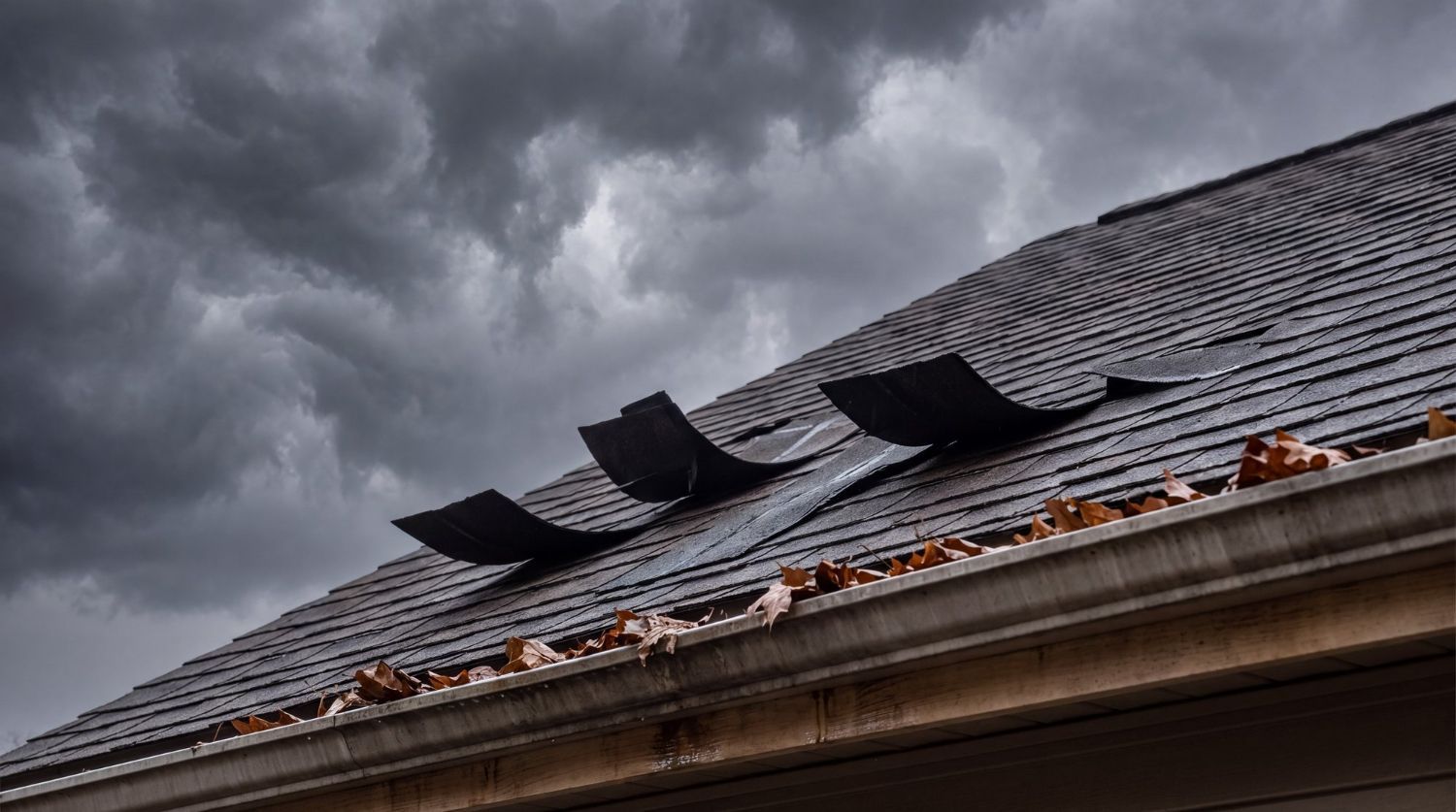
Charleston’s coastal winds can put steady pressure on a roofing system. Strong gusts from storms, tropical weather, nor’easters, and cold fronts can lift shingle tabs or break the seal that helps hold them in place. A shingle does not have to blow completely off the roof to create a problem. Even a slight opening can give rain a path underneath.
Certain areas are more likely to let water in because they involve seams, changes in roof direction, or roof penetrations. During an inspection, we pay close attention to areas such as:
- Roof valleys where water naturally collects and moves quickly
- Chimneys, skylights, and dormers where flashing must stay secure
- Plumbing vents, ridge vents, and pipe boots
- Roof-to-wall transitions and exposed roof edges
- Aging shingles that have lost granules or begun to curl
Properties near open water, marshland, or less sheltered coastal spaces may experience stronger wind pressure than nearby buildings that have more protection. Still, any roof can develop weak spots after repeated storms.
Water also does not always show up directly below the entry point. It may travel along roof decking or framing before staining a ceiling or wall. That delay can make a leak seem mysterious, but a professional assessment can trace the issue back to damaged shingles, flashing, or another roof component. Timely shingle repair in Charleston, SC can stop a small opening from becoming a much larger restoration concern.
Recognize Hidden Shingle Damage
You can often spot warning signs from the ground without taking the risk of climbing onto a wet or damaged roof. We recommend looking over your property after heavy wind or rain and noting changes that were not there before.
Exterior signs may include:
- Missing, cracked, curled, or lifted shingles
- Dark areas on the roof or piles of loose granules in gutters
- Damaged ridge caps or loose flashing around roof features
- Debris trapped in valleys or near roof penetrations
- Shingles that look uneven, shifted, or worn in one area
Inside, the signs can be quieter. Ceiling discoloration, bubbling drywall, peeling paint, damp attic insulation, musty odors, and water spots around exterior walls or windows can all point to unwanted moisture. These symptoms do not always mean the damage began directly above the stain, which is why a complete inspection matters.
We can inspect shingles, underlayment, flashing, ventilation components, and roof penetrations to identify problems that may not be visible from inside the building. This is especially helpful after repeated wind events, even when there is no dramatic roof damage from the ground.
Prioritize Repairs Before Small Leaks Spread
Once wind-driven rain reaches the roof deck, the damage can spread beyond the shingles. Moisture may weaken plywood, affect fasteners, dampen insulation, and create conditions where mold or mildew can develop. A loose shingle today can eventually lead to damaged decking and interior repairs if water continues entering the roof system.
The right repair depends on the roof’s age, overall condition, and how far moisture has traveled. After an inspection, we may recommend repairs such as replacing damaged shingles, resealing lifted tabs, repairing flashing, replacing worn ridge caps, correcting exposed nail heads, or addressing damaged vents and pipe boots.
Storm damage should also be documented as soon as it is safe to do so. Property owners can take photos of visible concerns from the ground, write down the date of the weather event, and keep records of interior water signs. A detailed professional assessment can help support an insurance claim when storm-related damage qualifies for coverage.
Choose Local Knowledge for Charleston Roof Repairs
Charleston roofs deal with a demanding mix of humidity, heavy rain, salt air in coastal areas, bright sun, and powerful wind events. Because we work with roofing and damage restoration needs in South Carolina, we understand how these conditions can wear down shingles and expose weak points around flashing and penetrations.
When you need shingle repair in Charleston, SC, a qualified roofing company should provide a careful inspection, clear recommendations, detailed documentation, quality materials, and straightforward communication. Repairs should account for more than the damaged shingle itself. Gutters, ventilation, flashing, and nearby roof components may also need attention to keep the system working as intended.
As a full-service roofing and damage restoration company, we can evaluate how wind-driven rain has affected the roof and related areas of your property. That broader view is helpful when moisture has moved beyond the outer roofing layer.
Schedule a Roof Inspection Before the Next Storm
Early roof damage is easier to address before another round of wind and rain reaches the property. Pay attention to loose shingles, granules, ceiling spots, and musty odors, especially after a storm. Waiting for a larger leak can allow water to reach insulation, walls, and structural materials.
A professional inspection gives you a clearer picture of your roof’s condition and helps identify repairs before winter rain worsens hidden damage. Taking action when the first signs appear can help preserve roof performance and limit the risk of wider storm-related problems.
Restore Your Roof’s Storm Protection
5 Stars Roofing provides dependable
shingle repair in Charleston, SC to address wind-driven rain damage and help safeguard your home. Our team can assess affected areas and recommend repairs suited to your roof’s needs.
Contact us to schedule service with our experienced roofing professionals.