Stop Small Storm Errors Before They Become Major Leaks
Storm damage can look minor right after the weather clears, but even a small opening in a roof can let water move into places you cannot see. In South Carolina, heavy fall rain, high winds, and late-season tropical weather can turn lifted shingles or loose flashing into a serious leak quickly.
We help property owners focus on the steps that protect a building first: staying safe, documenting what they see, and getting the roof evaluated before the next storm. Fast, informed action can help limit damage to insulation, framing, electrical components, inventory, and interior finishes.
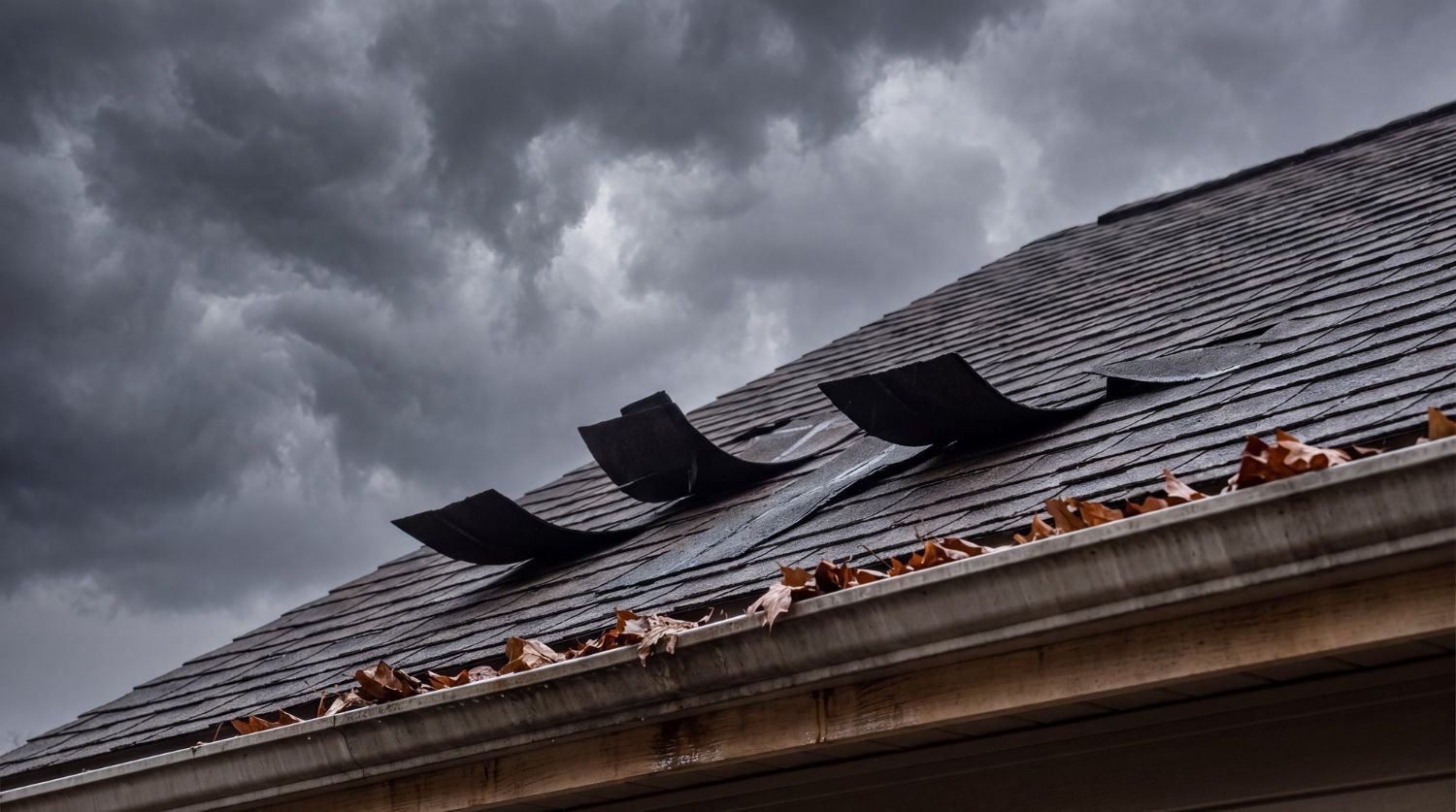
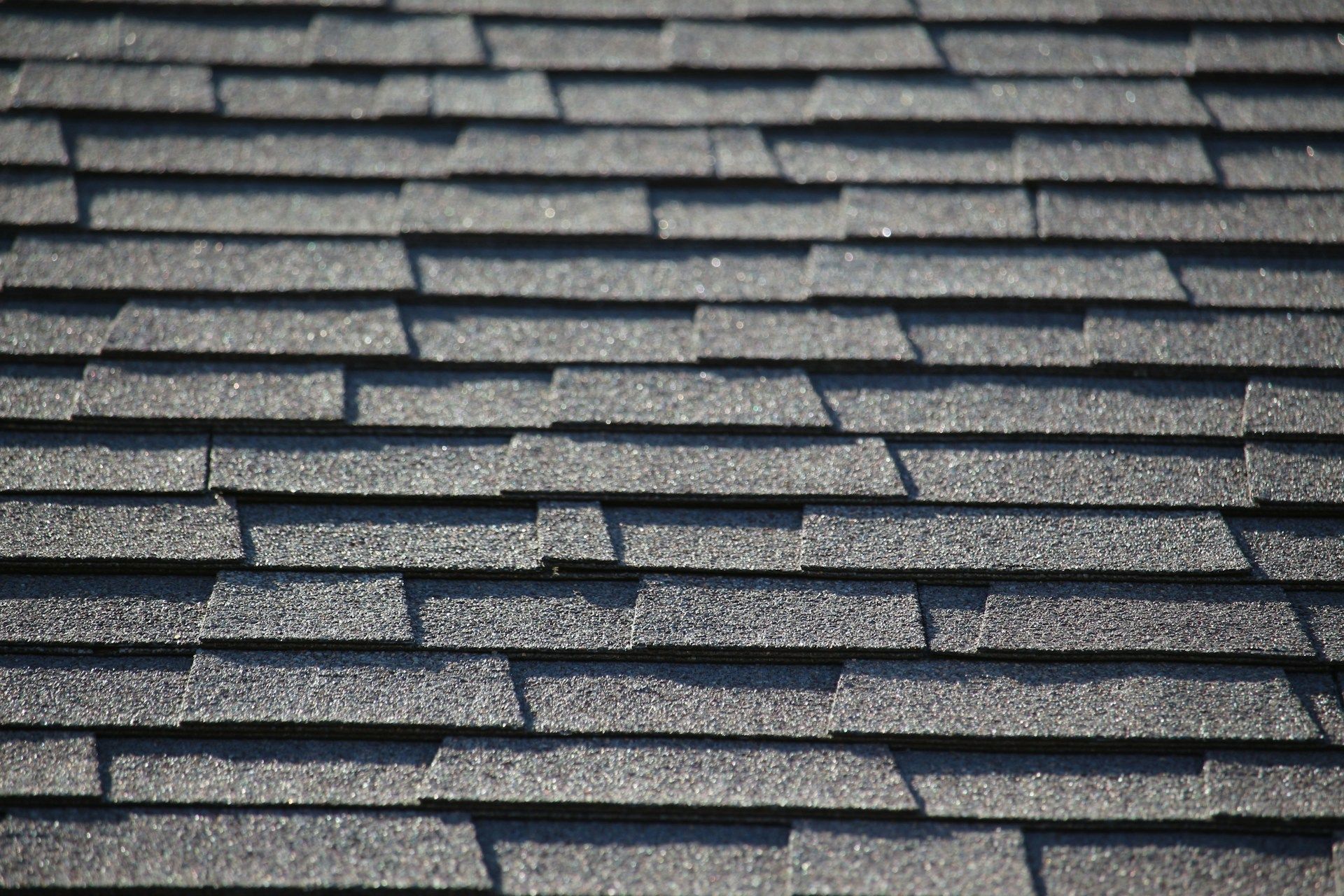
Damage is not always visible from the ground. Wind may lift shingles without blowing them away, crack flashing around a chimney, loosen a vent, puncture a roofing surface with debris, or separate seams on a low-slope roof. Water can enter through those weak points long before a ceiling stain appears.
Do Not Wait for a Visible Leak
One of the most expensive mistakes we see is waiting until water drips from the ceiling. Wind-driven rain can push beneath shingles, ridge caps, skylights, flashing, and roof penetrations. Once water enters, it may travel along decking, rafters, insulation, pipes, or framing before showing up somewhere indoors.
That delay gives moisture time to spread. A small roof issue can lead to soaked decking, wet insulation, warped wood, musty odors, peeling paint, and mold concerns. In commercial and industrial buildings, unnoticed damage can also affect equipment, stored materials, tenant areas, and normal operations.
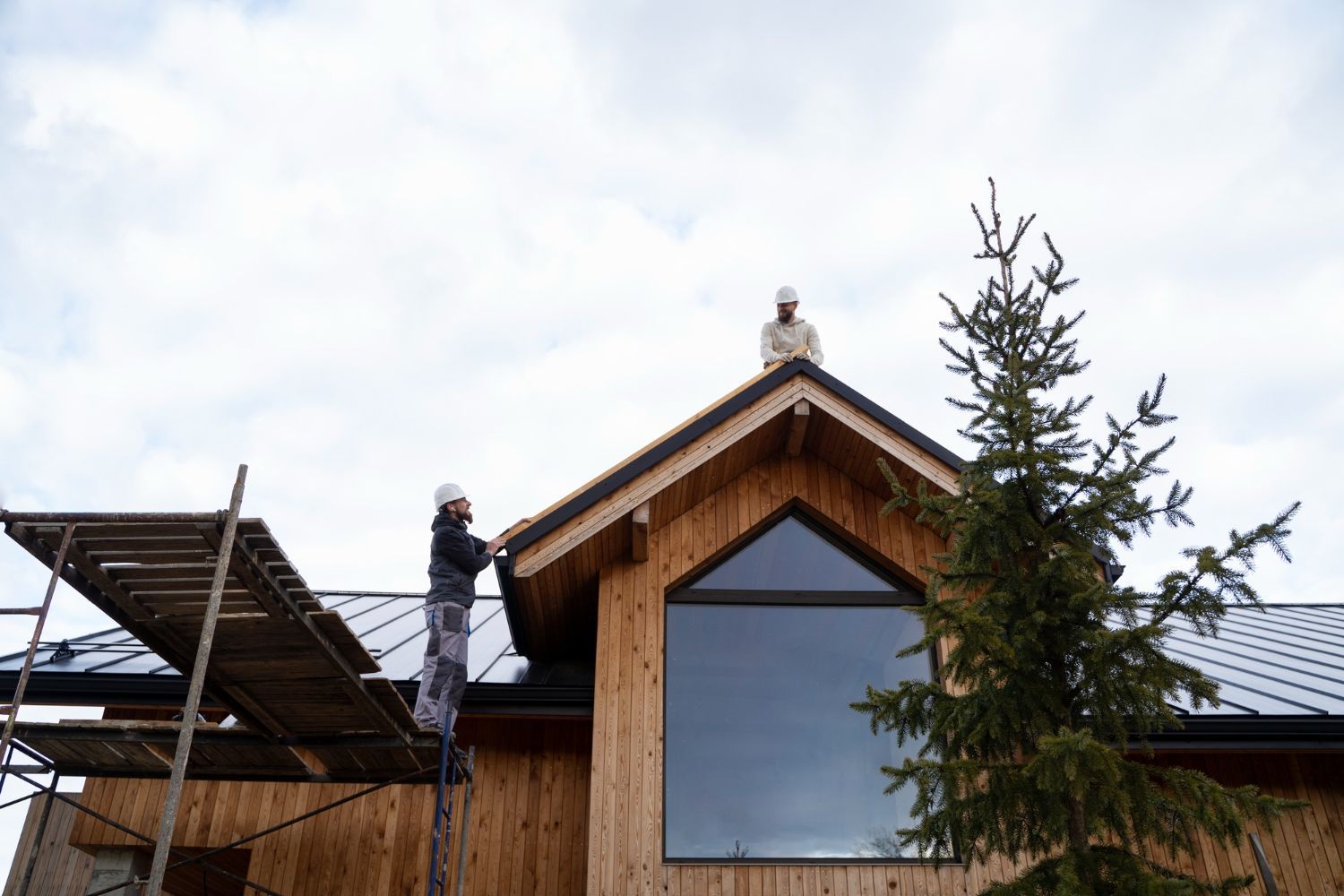
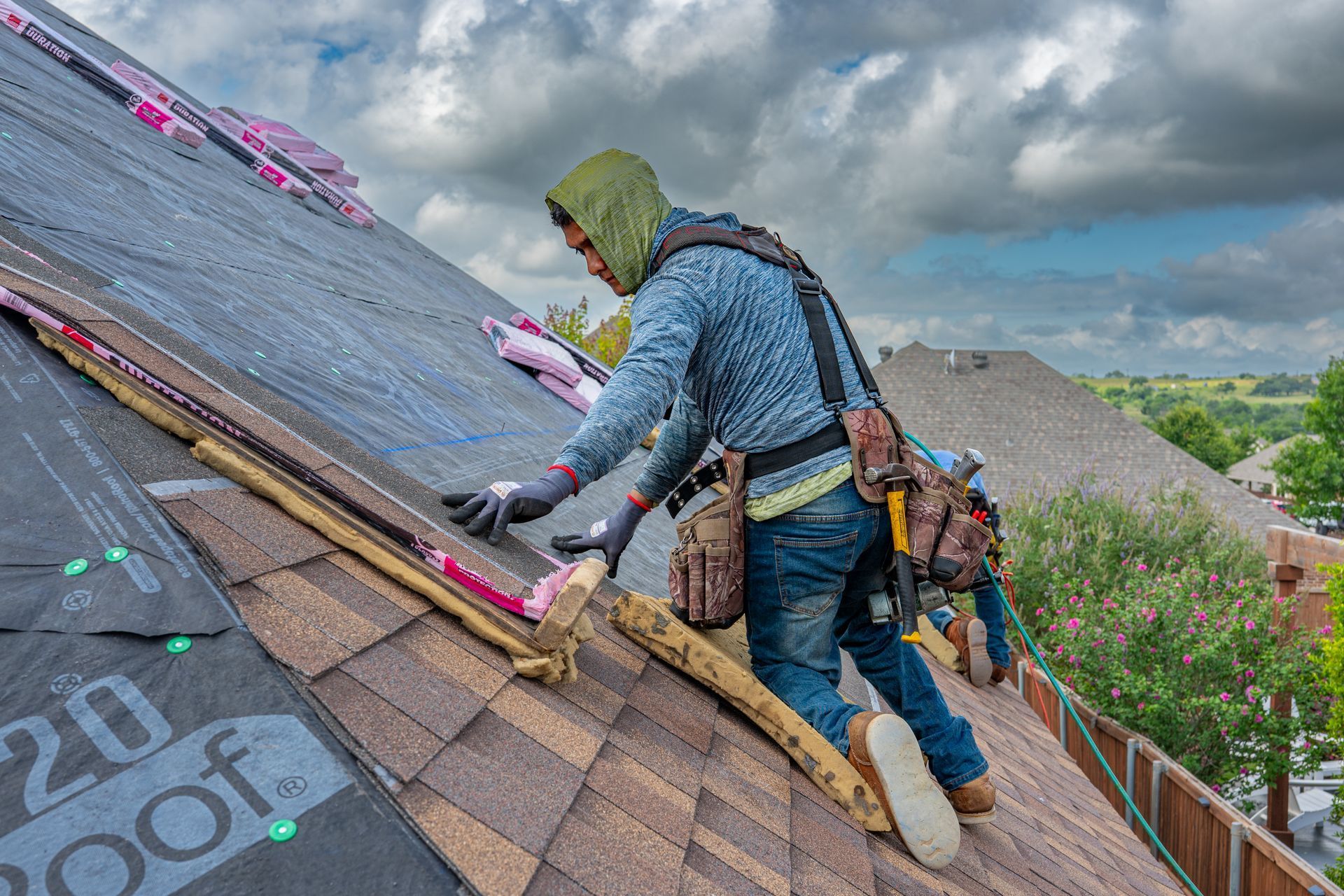
After severe weather, storm roof damage repair begins with understanding the full condition of the roof, not just the area that looks damaged. We recommend a professional inspection so hidden concerns can be identified, temporary protection can be considered if needed, and repairs can be planned before another rainstorm adds to the problem.
From the ground and inside the building, take note of changes such as:
- Missing, bent, or visibly lifted shingles
- Fallen branches or storm debris near the roof
- Loose gutters, damaged vents, or bent flashing
- Water spots on ceilings or upper walls
- New drips, musty smells, or damp attic insulation
Quick Patches Can Make the Problem Harder to Find
When water is entering a building, it is understandable to want an immediate fix. Still, caulk, roof tar, duct tape, plastic sheeting, and store-bought patch products are not lasting repair methods. Applied in the wrong place, they can trap moisture beneath roofing materials or hide the damage that needs attention.
Excess roof cement, for example, can cover cracked flashing without fixing why the flashing failed. A tarp that is poorly placed or fastened can collect water, tear in strong winds, or damage shingles and membranes underneath it. Mismatched sealants may also interfere with drainage and make professional repairs more difficult later.
There is a difference between emergency mitigation and a permanent repair. You can take safe steps indoors to reduce immediate loss, but roof access should be left to trained professionals, especially after a storm. The goal is to address the source of the leak, not simply cover the spot where water became visible.
Safe actions you can take from inside or from the ground include:
- Place a bucket under an active drip
- Move furniture, electronics, inventory, and valuables away from moisture
- Take clear photos and videos of visible damage
- Record when and where you noticed water entry
- Keep receipts for any emergency protection or cleanup work
Stay Off a Wet or Storm-Damaged Roof
Climbing onto a roof after rain or high winds creates a real safety risk. Wet shingles, metal panels, and low-slope surfaces can be slippery. Debris may hide weak spots, while storm-damaged decking may not safely support a person's weight.
Foot traffic can also worsen the condition of the roof. Stepping on lifted shingles, cracked tiles, damaged seams, or soft areas can break materials further and open new paths for water. On commercial or industrial roofs, ponding water may conceal punctures, loose membrane sections, or weak areas beneath the surface.
Instead of going up, we suggest checking the attic and interior ceilings for moisture, looking for exterior damage from the ground, and noting debris around the property. This keeps you safer while preserving the roof’s condition for an accurate inspection and clear insurance documentation.
Interior clues deserve attention, even when they seem small. Watch for ceiling discoloration, bubbling paint, peeling wallpaper, damp insulation, musty odors, moisture near exterior walls, or dripping around light fixtures. Water does not always appear directly below the damaged section of roof, which is why a small stain can point to a larger issue elsewhere.
Prompt storm roof damage repair can help stop moisture before it reaches more of the building’s structure and finishes. Reporting new signs quickly is especially helpful during fall weather, when repeated rain can keep feeding an existing leak.
Document Damage Before It Becomes an Insurance Problem
Poor documentation can make an insurance claim more difficult. Once it is safe to do so, take photos and videos of visible roof damage, fallen limbs, interior leaks, wet belongings, and any temporary protective measures. Try to capture both close-up details and wider views that show where the damage occurred.
Avoid throwing away damaged materials or making major repairs before the condition has been documented, unless immediate action is needed to prevent further loss. Save receipts for temporary repairs, emergency mitigation, cleanup, and related expenses. Reviewing your policy and reporting damage within its required timeframe can also help you stay organized.
Detailed findings from a professional roof inspection can clarify the scope of storm-related damage. We can document visible concerns, identify potential hidden issues, and outline repairs that address the roof system rather than only the water stain inside.
Protect Your Roof Before the Next Storm
Delayed inspections, temporary patching, unsafe roof access, ignored interior warning signs, and incomplete documentation can all turn manageable storm damage into a larger leak problem. The best response is calm and practical: protect the interior, record what you can safely see, and have the roof assessed before more rain arrives.
Early attention helps preserve the roof, the building beneath it, and the parts of your property that water can damage long after the storm has passed.
Protect Your Roof With Prompt Professional Repairs
5 Stars Roofing can assess the damage, identify hidden trouble spots, and recommend the right next steps for your roof. Get dependable
storm roof damage repair from our experienced team. To discuss your concerns or request an inspection,
contact us today.