Plan Now for a Roof That Handles South Carolina Weather
A weather-ready roof replacement starts long before a crew arrives at your property. In South Carolina, mid-October can be an important time to plan because hurricane season is still active, fall rain may reveal hidden leaks, and cooler conditions can create a workable window before winter weather rolls in.
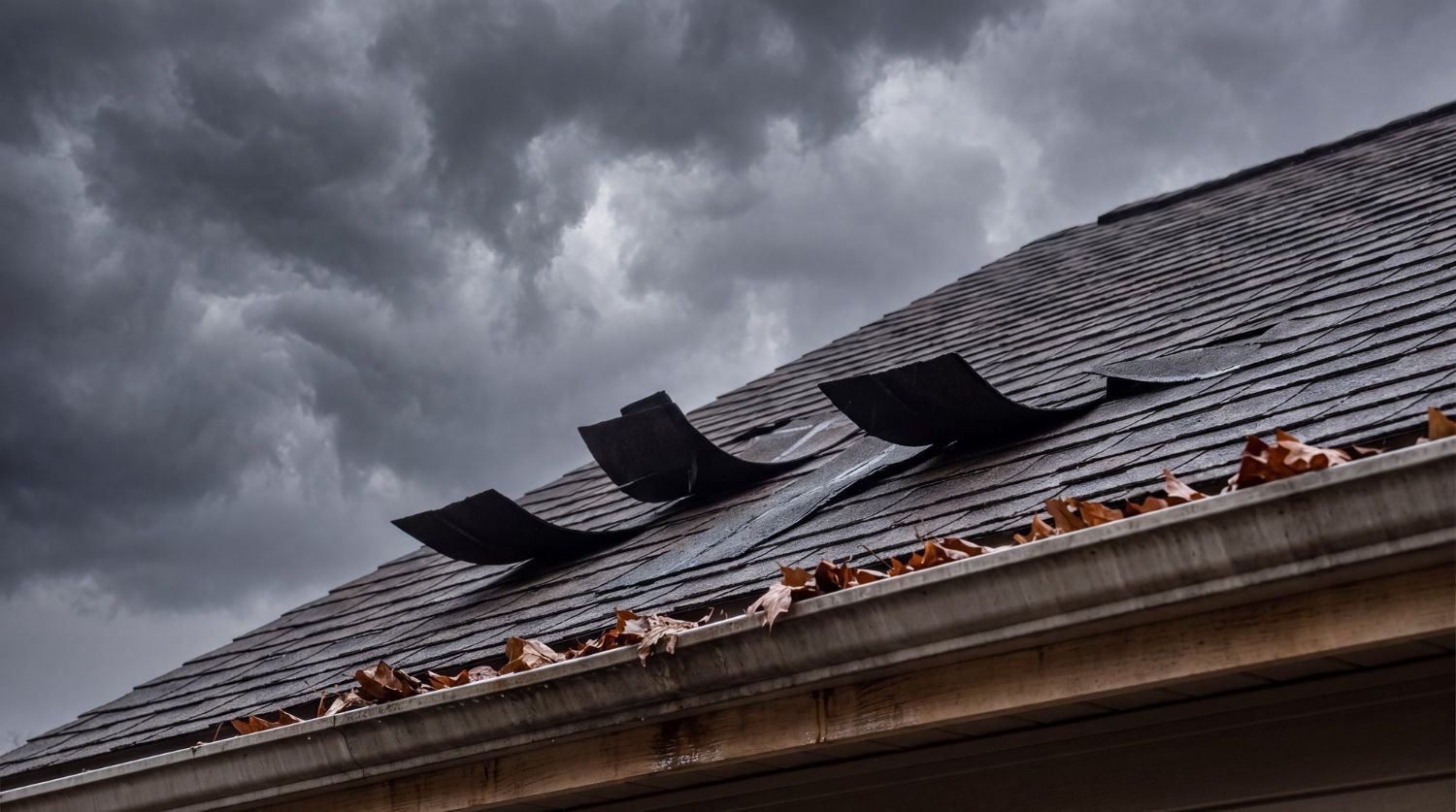
At 5 Stars Roofing, we know that a roof problem rarely stays small for long. Missing shingles, active leaks, water spots on ceilings, sagging areas, and visible storm damage can allow moisture to reach insulation, decking, walls, equipment, inventory, and other parts of your property. Planning ahead gives you more time to understand the condition of the roof and make informed choices before the next major storm creates an urgent situation.
A local roof replacement contractor should do more than recommend shingles or roofing panels. We build a plan around the age of your roof, the shape of the building, drainage patterns, weather exposure, material options, code requirements, and the timing of the work. That approach helps us serve residential, commercial, and industrial property owners across South Carolina with recommendations suited to the building in front of us.
Identify Site Risks Before Replacement Begins
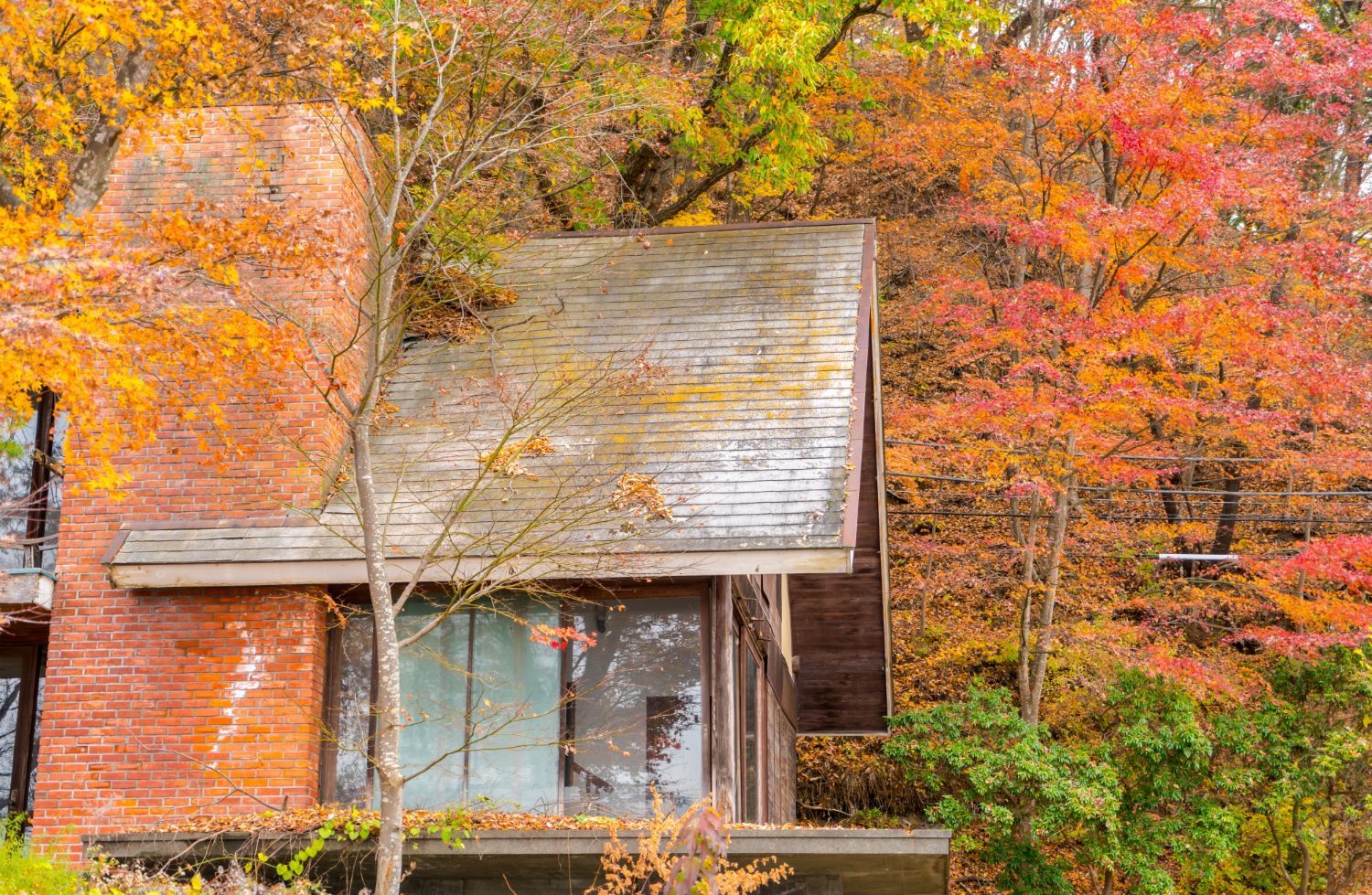
Every roof has its own weak points. That is why we begin with a detailed inspection instead of offering a one-size-fits-all answer. Some roofs may need replacement because materials are worn out or storm damage is widespread. Others may still be candidates for focused repair or restoration. A careful assessment helps clarify the best long-term direction.
During an inspection, we look beyond the surface for signs of damage that can affect the replacement plan. This may include:
- Worn, lifted, cracked, or missing roofing materials
- Leaks around flashing, vents, skylights, or wall connections
- Standing water or slow drainage on low-slope roof areas
- Soft decking, moisture damage, or signs of interior water intrusion
South Carolina properties can face different weather conditions depending on where they are located. Coastal buildings may see stronger wind and wind-driven rain, while inland properties can still deal with heavy storms, humidity, falling branches, and fast-moving weather systems. Nearby trees, roof slopes, valleys, chimneys, gutters, and HVAC equipment can all affect how water moves across the roof.
We also inspect areas that are not always visible from the ground. Attic ventilation, insulation, roof decking, drainage components, wall transitions, and interior moisture signs can tell us more about what is happening beneath the roofing material. Finding these concerns early helps create a clearer scope of work and reduces the chance of surprises once replacement begins.
Choose Materials and Timing for Storm Resistance
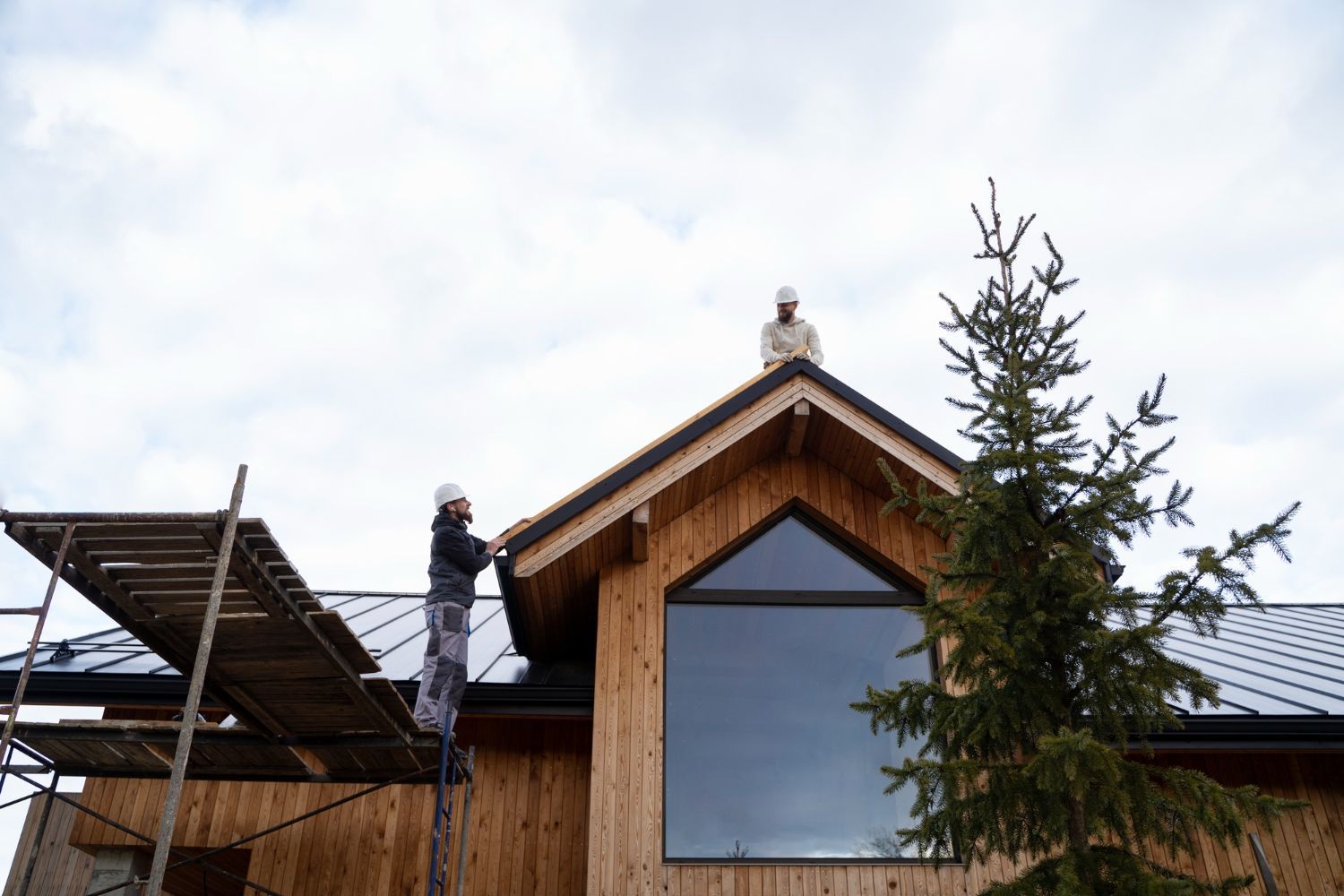
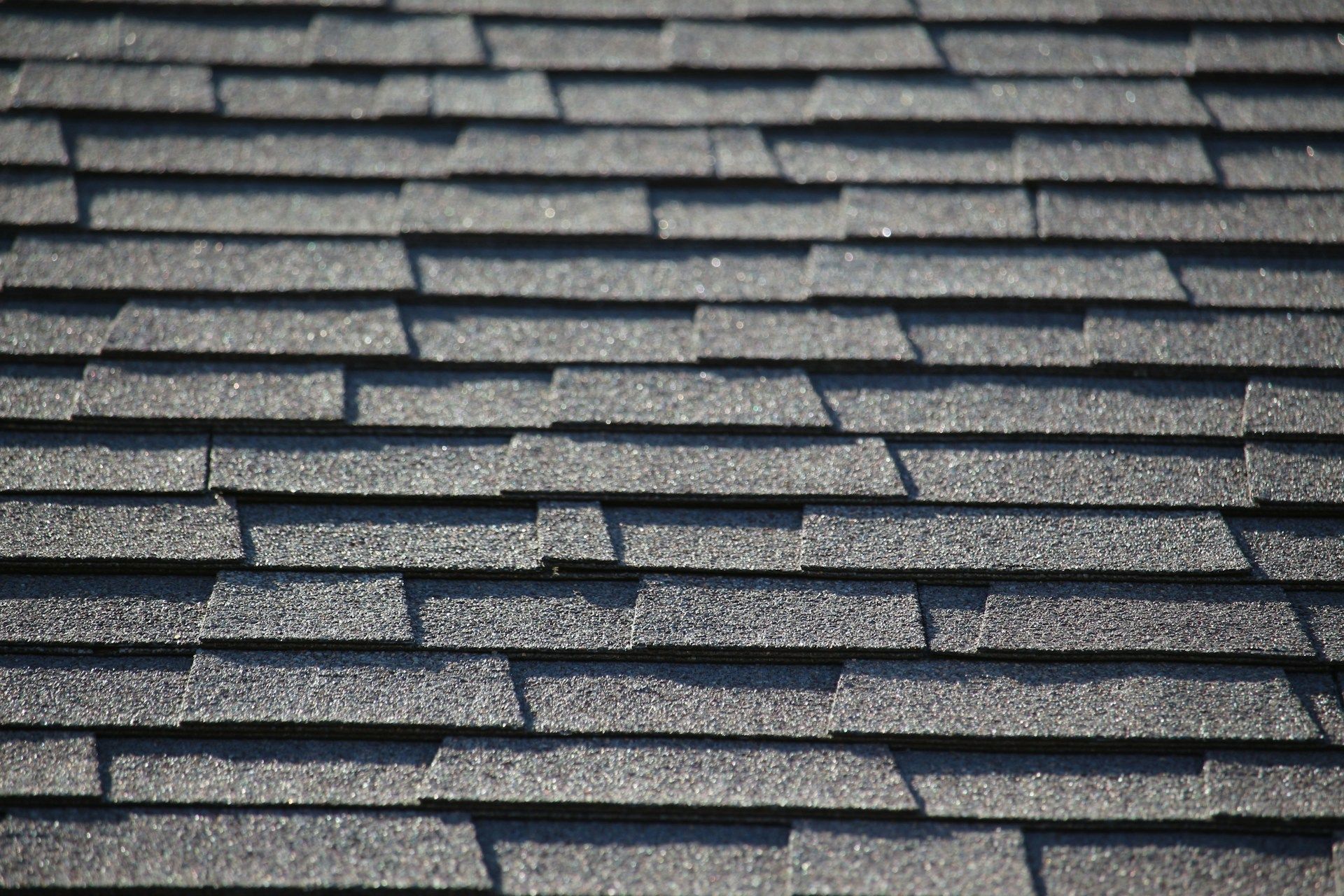
The right roofing system depends on the property. A steep-slope home may be well suited for asphalt shingles, metal roofing, or another residential system. Commercial and industrial buildings often have low-slope roofs that need specialized materials, drainage planning, and careful attention around penetrations and equipment.
Rather than treating each piece as separate, we consider how roofing components work together. A weather-ready installation may include:
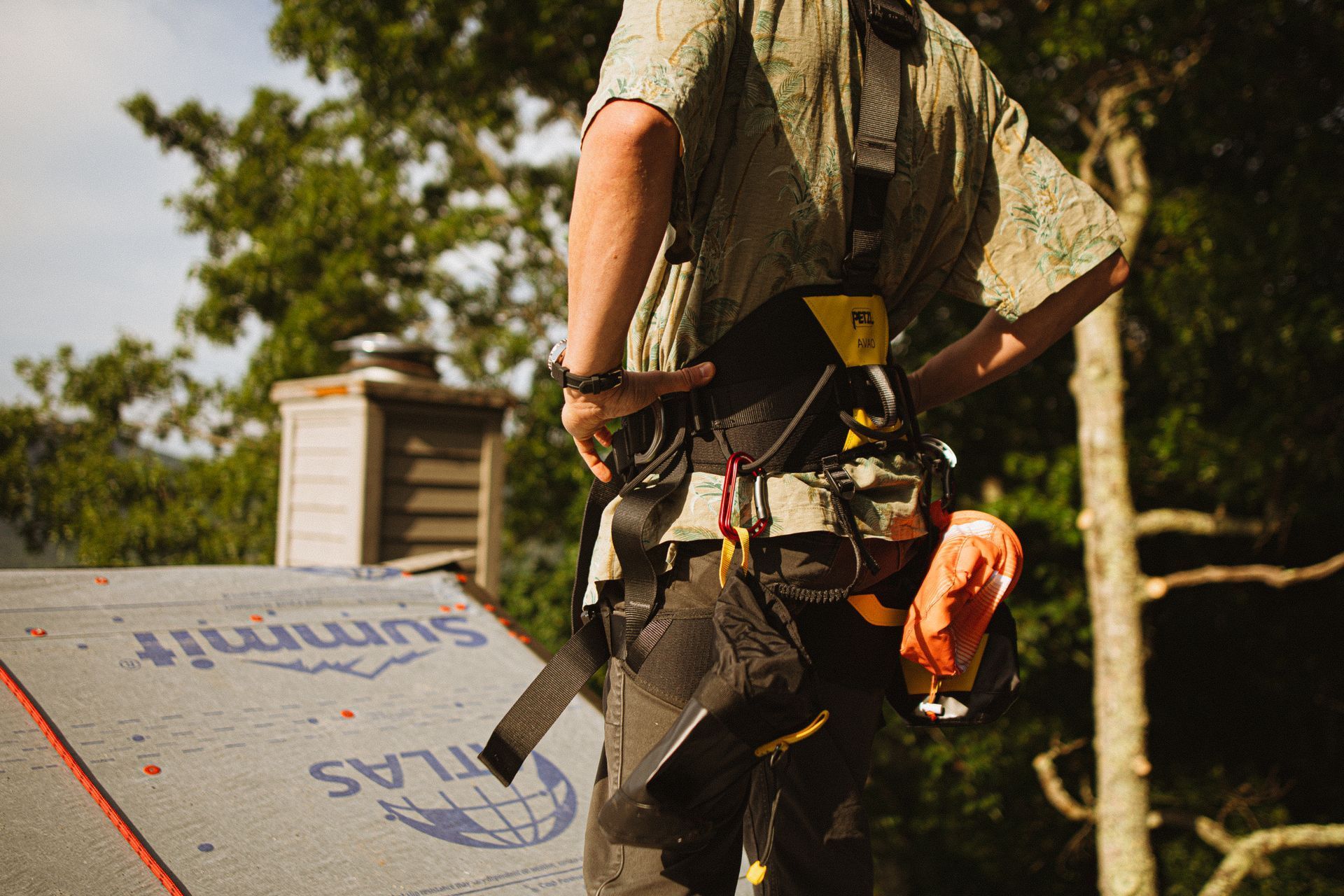
- Underlayment that provides another layer of protection beneath the roof covering
- Flashing and sealants around penetrations, transitions, and roof edges
- Drip edge and gutters that help guide water away from vulnerable areas
- Ridge ventilation, fasteners, and drainage features selected for the roof design
Each part has a job to do. Underlayment can help manage moisture beneath the outer roof surface. Flashing protects transitions where water often finds a path inward. Proper fasteners help secure materials, while ventilation can support the roof system by managing heat and moisture in the attic or roof assembly.
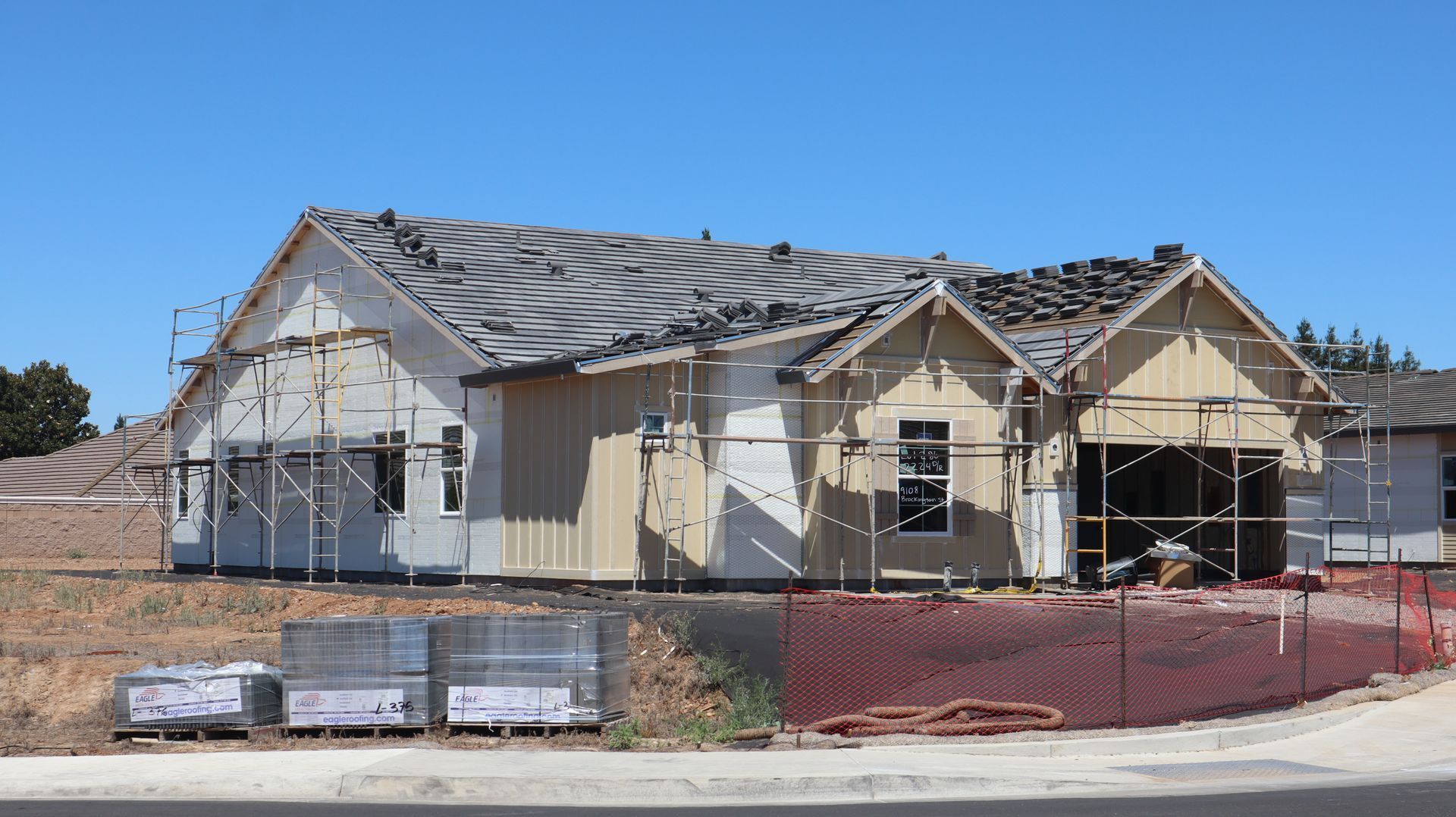
Fall can be a favorable time for roof work, but weather still guides the schedule. We monitor rain forecasts, tropical activity, morning moisture, wind conditions, and manufacturer requirements for the materials being installed. A smart schedule allows enough time for tear-off, deck repairs, installation, inspections, and cleanup without rushing the steps that protect your property.
Secure Every Edge and Opening
The roof field gets most of the attention, yet many leaks begin at the details around it. Valleys, chimneys, vent pipes, skylights, dormers, roof-to-wall transitions, gutters, eaves, ridges, and low-slope drains all need careful planning. These locations can face concentrated water flow or wind pressure during storms.
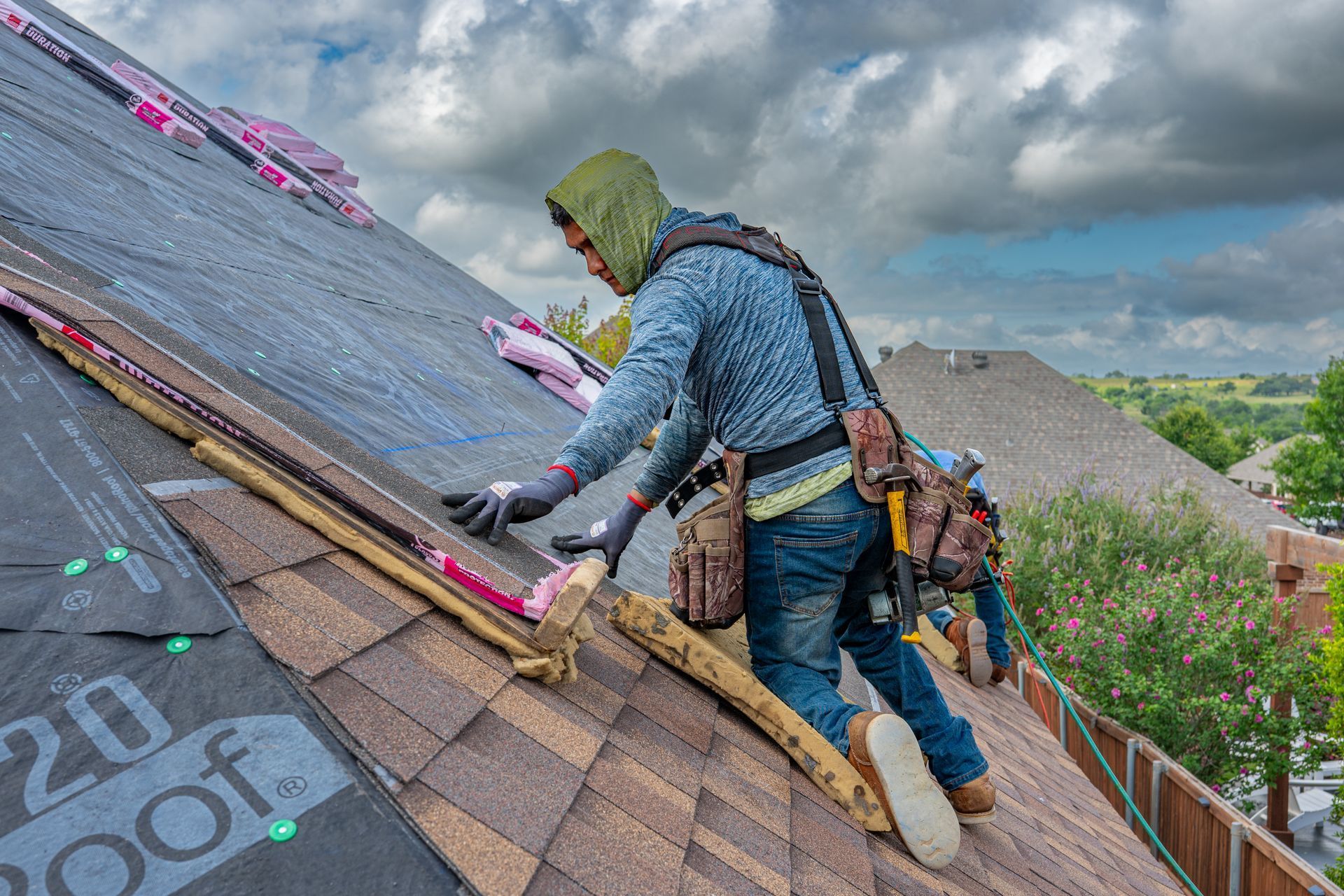
Before new materials go on, we may need to remove old roofing so the deck can be checked properly. Tear-off gives us a chance to look for soft spots, rot, moisture damage, and structural concerns that may not be visible from above. Replacing compromised decking provides a more dependable base for the new roofing system and gives fasteners solid material to hold.
Installation details should follow the roofing material manufacturer’s specifications, local building requirements, and proven practices for the roof type. Proper flashing integration, underlayment coverage, fastener placement, ventilation design, and drainage planning all help the roof manage heavy rain and strong winds.
Once the work is complete, a final walkthrough helps confirm that the site is clean and safe. It also gives you a chance to understand maintenance needs, such as keeping gutters clear, watching for storm debris, and reporting new concerns before they grow.
Plan Ahead for Better Roof Protection
Recurring leaks, aging roofing materials, interior water marks, and storm damage are all reasons to seek a professional roof evaluation before the damage spreads. Early planning gives you more control over your material choices, project timing, and the work that may be needed beneath the roof surface.
A weather-ready replacement plan should reflect the building’s drainage needs, roof design, exposure to wind and rain, and long-term performance goals. Addressing concerns before severe weather arrives can help protect the parts of your property that depend on the roof every day.
Get A Replacement Plan Built Around Your Home
At 5 Stars Roofing, we help homeowners make informed decisions with clear recommendations and dependable workmanship. Work with a
local roof replacement contractor to discuss materials, installation details, and the right approach for your property.
Contact us to arrange a consultation with our team.