Protect Your Property Before Hidden Damage Spreads
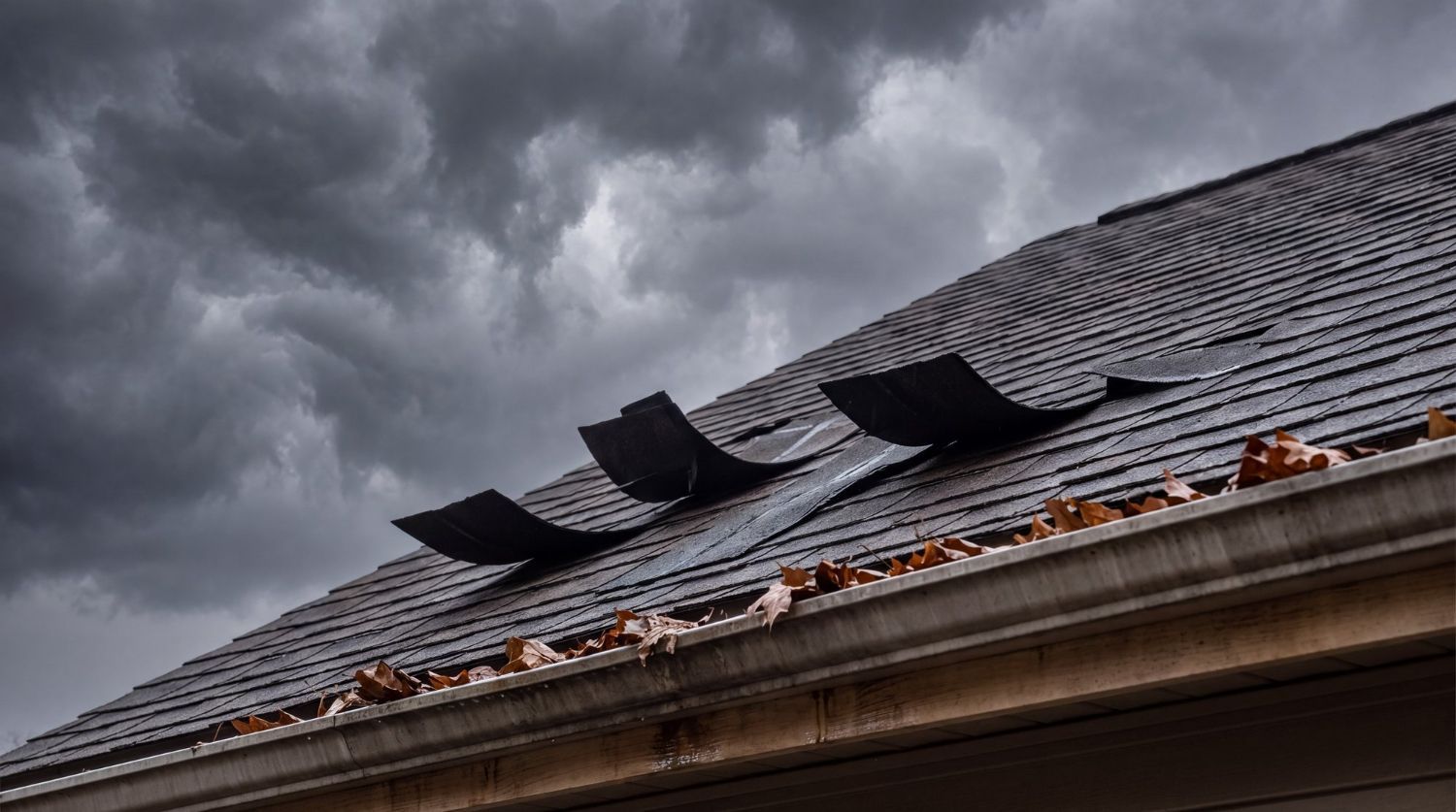
Storm damage can turn a sound roof into an urgent problem fast. After a hurricane, tropical storm, heavy rain event, or high-wind storm in South Carolina, even a small opening in the roof can let water move into the attic, ceilings, insulation, walls, electrical areas, and stored belongings.
From the ground, roof damage is not always easy to see. A few lifted shingles, torn flashing, or an impact from a fallen limb may look minor, but rain can find its way beneath damaged materials. We help property owners decide whether temporary protection is needed right away or whether conditions allow for permanent repairs to begin.
Emergency tarping and permanent repair have different jobs. A tarp provides short-term coverage over a compromised area. Permanent repair restores the roof’s ability to shed water and stand up to future weather. The right first step depends on the damage, current weather, roof access, and safety concerns. Late October can still bring tropical weather, heavy rain, and wind-driven damage, so staying alert remains important.
Know What Emergency Tarping Can and Cannot Do
Emergency roof tarping is a temporary measure used to reduce water intrusion after storm damage. When conditions are safe, we may place and secure a tarp over areas with missing shingles, damaged flashing, punctures, exposed roof decking, or damage from fallen debris.
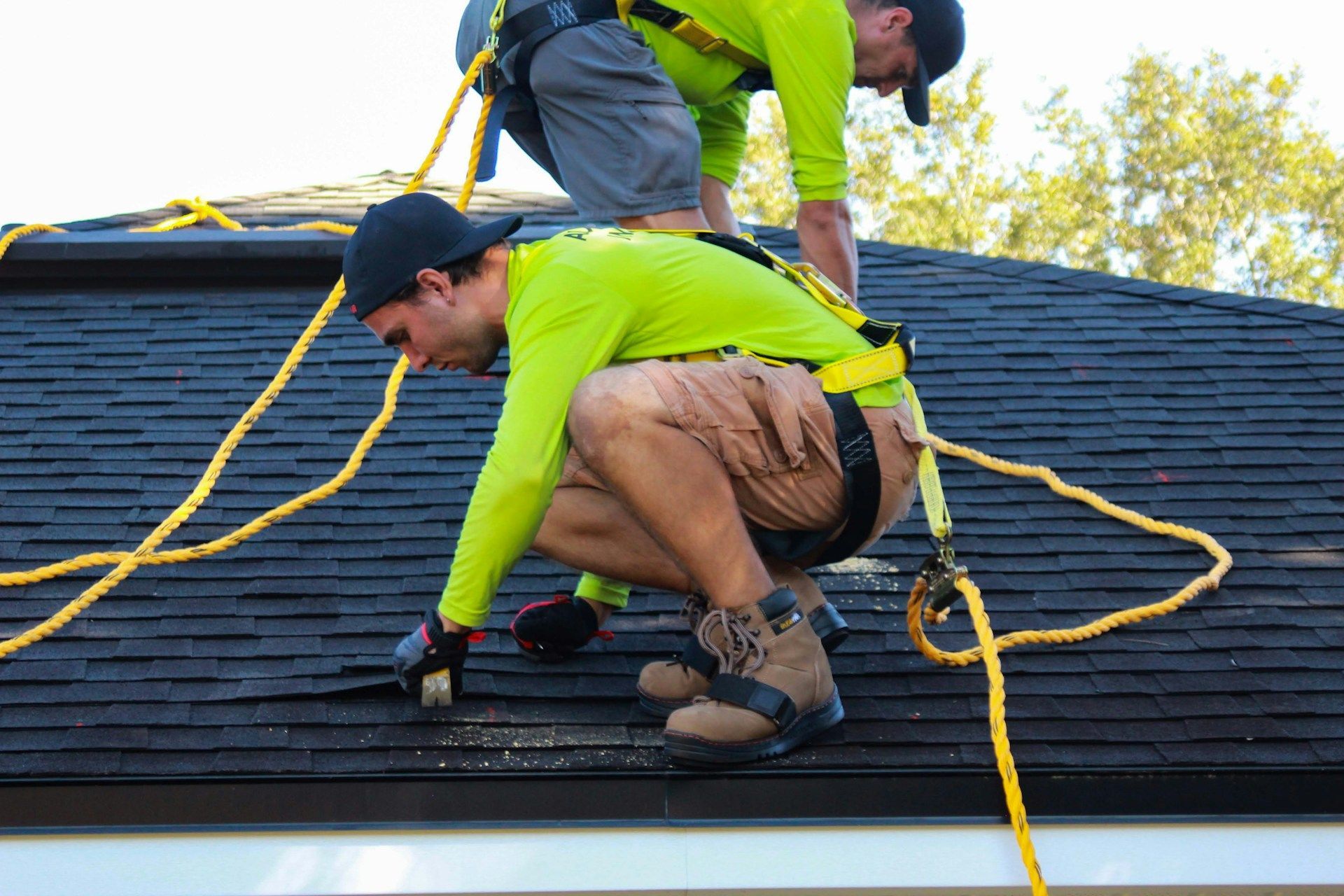
Before installing temporary coverage, an emergency storm damage roofer needs to look beyond the obvious opening. Active leaks, loose roofing materials, structural concerns, and electrical hazards can all affect how the area should be handled. Wet, steep, or unstable roofing surfaces are dangerous after a storm, which is why we recommend avoiding DIY tarping or climbing onto the roof.
A professionally installed tarp can help protect your property while you wait for safer weather, a detailed inspection, an insurance review, or scheduled repair work. It may be especially helpful when more rain is expected.
Still, a tarp has limits. It does not repair damaged roof materials or correct hidden issues beneath the surface. Severe wind and prolonged rainfall can also test temporary coverage.
- A tarp can reduce immediate water entry.
- A tarp does not replace shingles, flashing, or roof decking.
- A tarp may not stop every leak during extreme weather.
- A tarp should be monitored until permanent work is completed.
Think of temporary coverage as a way to buy time, not as the finish line.
Decide When a Temporary Tarp Is the Right First Step
Tarping is often the right first move when water is actively entering the property or roof materials are visibly missing or damaged. We commonly recommend temporary protection when a roof has holes from tree limbs, lifted shingles, damaged ridge caps, punctures, or exposed decking.
For commercial and industrial buildings, quick coverage can also help protect equipment, inventory, tenant areas, and daily operations. The goal is to limit further exposure while a full damage assessment is being arranged.
Timing matters after a major storm. Wind, rain, lightning, standing water, and loose debris may make immediate permanent work unsafe. In some cases, stabilization must come first so that repairs are not rushed or performed before the full damage can be seen.
When it is safe, we encourage you to document what you can from the ground or inside the property. Clear records can help show what happened before temporary protection and repairs begin.
- Photograph visible exterior damage from a safe location.
- Take pictures of ceiling stains, wet insulation, or interior leaks.
- Record fallen limbs, loose debris, and damaged belongings.
- Save invoices and records for emergency mitigation services.
- Note the date of the storm and when the leak was first noticed.
These details may support your insurance claim and give everyone involved a clearer picture of the damage.
Plan Permanent Repairs That Restore Lasting Protection
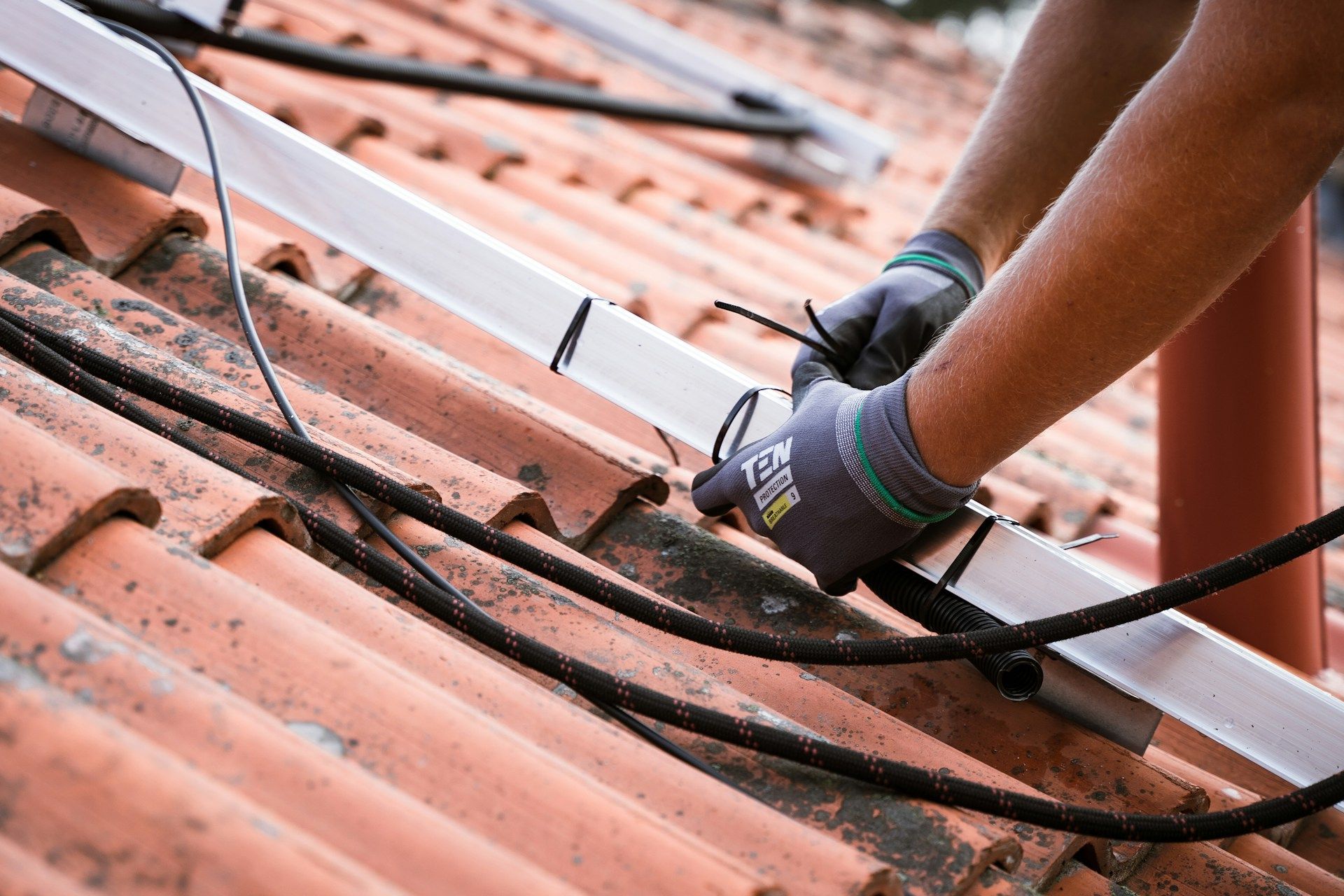
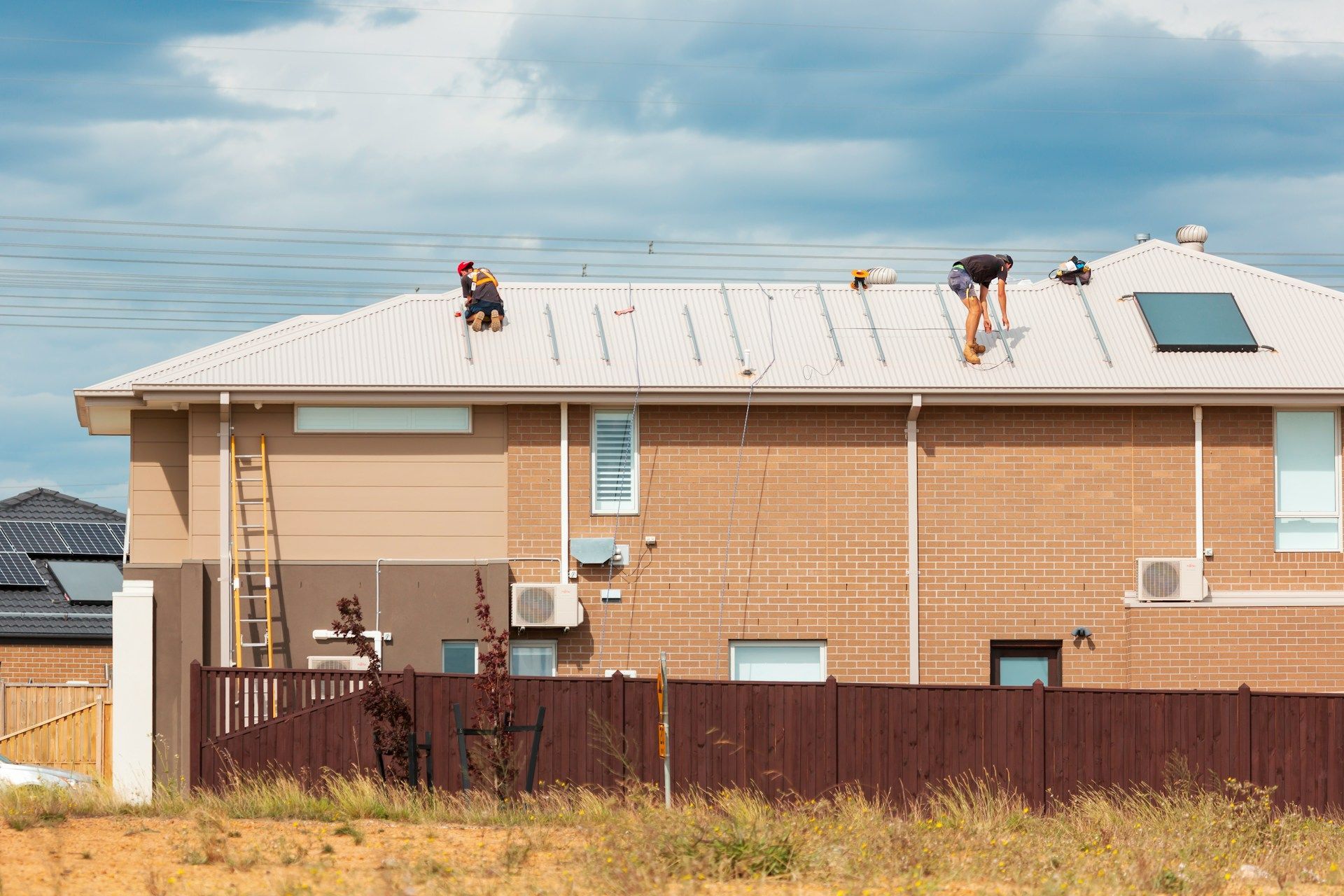
Permanent repair should begin with a thorough roof inspection, not just a quick replacement of the most visible damaged shingles. We look at the roofing system as a whole, including shingles, underlayment, flashing, decking, ventilation components, gutters, penetrations, and nearby areas that may have been affected by wind or water.
Sometimes the damage is limited and a focused repair can restore protection. Other times, the inspection may show broader problems that make a larger repair or roof replacement the more dependable path. The right plan should address where water entered, why the roof failed in that spot, and what is needed to help prevent repeat leaks.
South Carolina roofs face heat, humidity, intense rain, strong winds, and occasional tropical weather. Permanent repair is meant to restore the roof system’s integrity with properly installed materials and components that work together.
Waiting too long can allow moisture to affect more than the roof. Even when a tarp appears to be holding, water may remain in insulation, framing, drywall, or interior finishes. Over time, that can lead to wood rot, mold concerns, worsening leaks, and a larger restoration project. A professional follow-up inspection helps move the property from temporary coverage to a durable repair plan.
Organize Insurance Documentation After Storm Damage
Insurance claims can feel overwhelming when you are also dealing with a leaking roof or damaged property. While we do not make coverage decisions, we can document visible roofing damage, share inspection findings, identify recommended repairs, and prepare a detailed repair estimate. This information can help you communicate clearly with your insurance carrier.
Accurate repair scopes matter. A damaged roof may involve more than the shingles you can see from the driveway. Flashing, underlayment, decking, and other roof components may need attention, especially if water entered the building. If additional storm damage is found during repairs, it should be documented clearly.
Review your policy carefully for deductibles, exclusions, and claim requirements, then report damage promptly. It also helps to keep copies of contractor estimates, inspection notes, photos, invoices, and communication with your insurer in one place. Ask questions about the proposed materials, repair timeline, warranty coverage, and what happens if more damage is uncovered after work begins.
Move From Temporary Coverage to Confident Recovery
The main difference is simple: emergency tarping protects a damaged roof for the short term, while permanent repair restores long-term protection. Acting promptly after a storm can limit water damage, create a clearer record for insurance purposes, and keep a manageable roof issue from spreading through the rest of the property.
For residential, commercial, and industrial properties throughout South Carolina, we provide full-service roofing, storm damage repair, and restoration when roof damage needs professional attention. After visible damage, active leaks, or suspected storm impact, a safe assessment can help determine whether temporary protection, permanent repair, or a larger restoration plan is needed.
A tarp should always lead to a next step. Keep an eye on the protected area, watch for new leaks or interior moisture, and arrange for a complete inspection as soon as weather and safety conditions allow.
Restore Your Roof With Confidence
At 5 Stars Roofing, we provide clear repair recommendations based on the condition of your roof and the damage left by the storm. Get prompt help from an
emergency storm damage roofer who can address urgent issues and plan lasting repairs. To discuss your property’s needs,
contact us today.