Storm damage can leave your roof exposed long after the wind and rain have passed. A quick, organized response protects your home from added water damage and helps create a clearer record for your insurance claim.
We put this storm damage roof repair guide together to help you focus on the right steps first, from staying safe and documenting damage to working with your insurer and a qualified roofing professional. Even in November, South Carolina can see heavy rain, strong winds, and cooler-weather storms that reveal roof problems before winter wet weather arrives.
Protect Your Home and Your Claim
Safety comes before any inspection. Stay clear of downed power lines, standing water, unstable trees, and roof areas that appear to sag. Never walk beneath hanging limbs or try to inspect a roof that may have weakened during the storm.
If water is entering your home, move furniture, electronics, and other valuables away from the leak if it is safe to do so. Place containers beneath active drips and watch for wet ceilings that may become unstable.
As soon as conditions allow, begin gathering visual evidence from the ground. Early photos can help show that the damage happened during the recent storm rather than from an older issue.
Take clear photos or videos of:
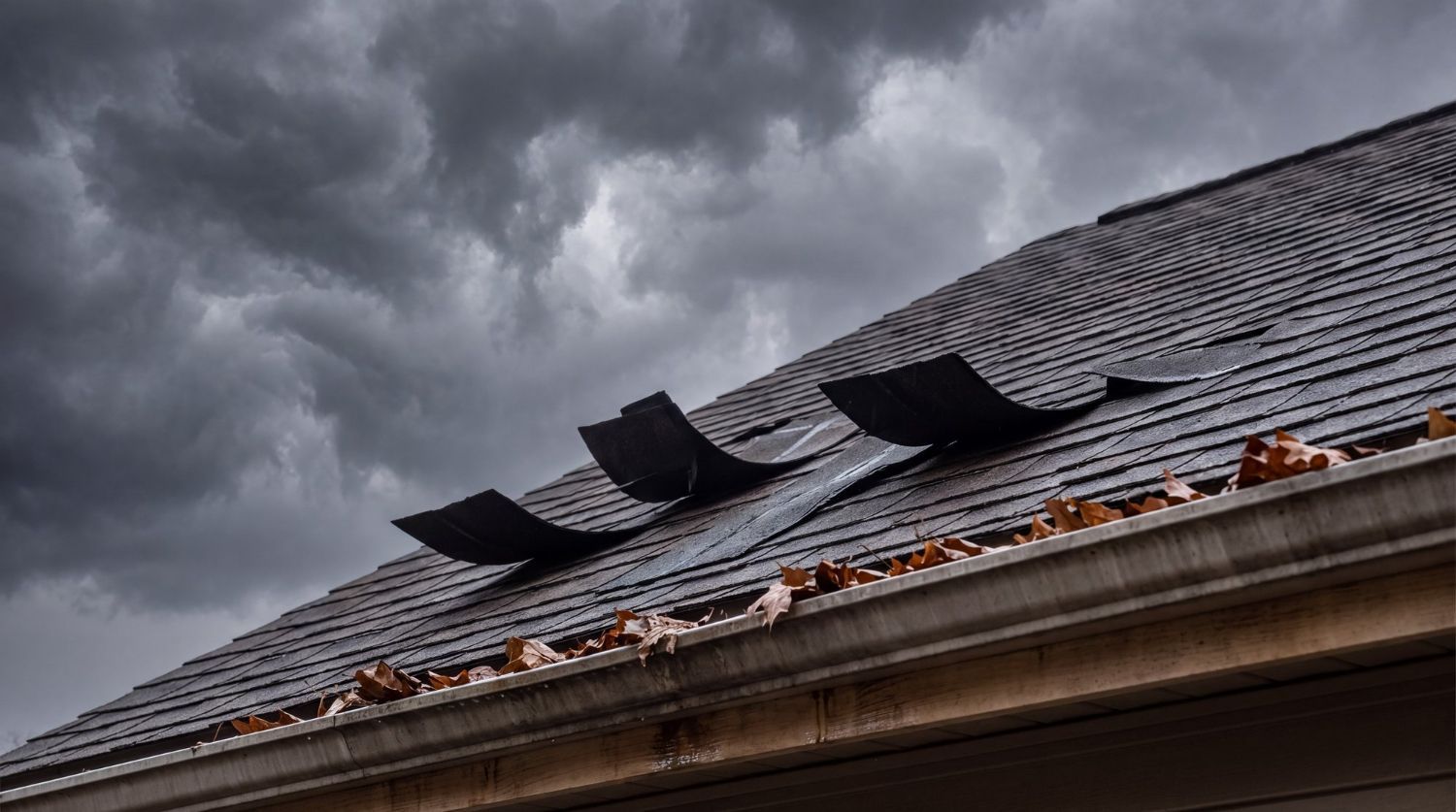
- Missing, lifted, cracked, or scattered shingles
- Fallen branches, roof debris, and damaged gutters
- Dented flashing, torn ridge caps, or visible punctures
- Water stains, ceiling damage, and interior leaks
We recommend keeping the original photo files whenever possible, since they may show the date and time they were taken. A few wide shots of the home, followed by closer images of each damaged area, can create a more complete record.
Use This Storm Damage Roof Repair Guide Safely
A good storm damage roof repair guide begins with knowing what to look for without putting yourself in danger. From the ground, you may notice shingles that are curled, cracked, loose, or missing. Granules near downspouts, bent flashing, damaged vents, and debris lodged on the roof can also point to a problem.
Inside your home, roof damage may show up as brown ceiling stains, peeling paint, damp attic insulation, musty odors, or water along exterior walls. These signs do not always reveal the exact location of the leak, which is one reason a professional inspection matters.
Please do not climb onto the roof to investigate. Wet shingles are slippery, and storm damage can create hidden weak spots in the roof deck. Binoculars can help you view visible damage from a safe position, while a trained roofing professional can assess areas that are not safe or easy to see.
When an active leak threatens the inside of your home, temporary mitigation may be needed to limit further water intrusion. Keep photos, invoices, receipts, and written records for emergency tarp work or other protective services. Insurers may ask for proof that reasonable steps were taken to prevent added damage.
Build a Clear Storm Damage File
Before filing a claim, gather all storm-related information in one place. A well-organized file makes it easier to answer questions from your insurer and compare estimates later.
Your storm damage file can include:
- Date-stamped photos and videos of exterior and interior damage
- Weather alerts or storm notices from the date of the event
- Receipts and invoices for emergency mitigation work
- Notes from phone calls, emails, estimates, and inspections
- A copy of your homeowners insurance policy and claim details
Review your policy carefully before submitting anything. Look for your deductible, coverage limits, exclusions, depreciation language, and any separate wind or hurricane deductible. Coverage details can differ by location, and coastal South Carolina properties may have different wind-related requirements than homes farther inland.
Storm damage can affect more than shingles. During an inspection, we look for concerns involving flashing, vents, skylights, chimneys, gutters, attic ventilation, and other roof components. Damage in these areas may not be visible from the ground, but it can still contribute to leaks and future problems.
Work with Your Insurer and Roofing Professional
After you have documented visible damage, notify your insurance company promptly. Ask about filing deadlines, the documents they need, and whether they will send an adjuster to inspect the property. Write down your claim number, the representative’s name, the date, and a short summary of every conversation.
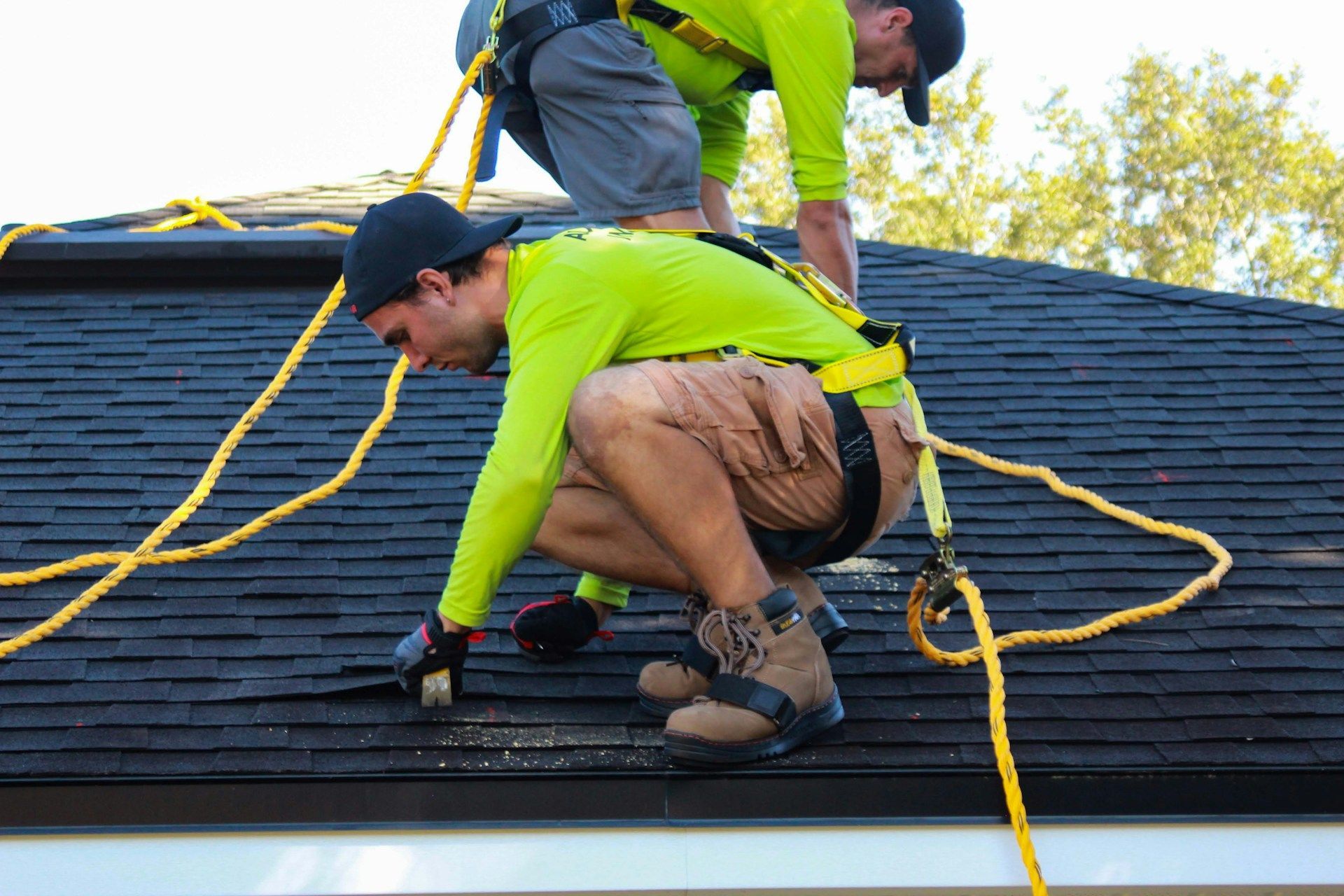
Around the time of the adjuster visit, we recommend arranging an inspection with a reputable local roofing contractor. A professional assessment can identify storm-related damage, outline recommended repairs, and provide a written estimate that helps you understand the restoration scope.
At 5 Stars Roofing, we help South Carolina residential, commercial, and industrial property owners understand the condition of their roofs after severe weather. Our inspection process can help identify the repair or replacement work needed based on the damage present.
Avoid authorizing permanent repairs or signing broad agreements before you understand the insurance settlement and the contractor’s written scope of work. Emergency protection is often appropriate, but larger decisions should be based on documented damage, policy details, and a clear plan. Be cautious of contractors who appear immediately after a storm and pressure you to sign on the spot.
Review Repairs and Prepare for Future Storms
Once your claim is approved, compare the insurance estimate with the contractor’s assessment. Ask for an explanation if the two scopes do not match. You should understand whether the work includes shingles, underlayment, flashing, ridge caps, vents, gutters, roof decking, and any interior repairs caused by water intrusion.
Some repairs may also create an opportunity to improve how your roof handles future weather. Depending on the condition of the roof and the work being completed, options may include improved underlayment, reinforced flashing, impact-resistant materials, better attic ventilation, or drainage improvements.
November is a useful time to address smaller roof concerns before winter rain has a chance to make them worse. Clearing gutters, trimming overhanging branches, watching for attic moisture, and arranging inspections after major storms can help uncover trouble early. The best protection is a careful response: stay safe, document what you see, prevent additional water intrusion, and make repair decisions with clear information in hand.
Get Clear Next Steps for Your Roof Claim
At 5 Stars Roofing, we can help you move forward with a
storm damage roof repair guide tailored to your roof’s condition and repair needs. Our team provides thorough assessments and clear documentation to support informed insurance claim decisions. When you are ready to discuss your roof,
contact us to schedule an evaluation.