When Hurricane Damage Roof Repair Becomes Unavoidable
When anything impacts it, even a properly prepped roof takes a hit. And when it does, hurricane
damage roof repair has got to get underway quickly and should ideally be executed within the next 24 to 48 hours so that water doesn’t have time to infiltrate the attic and walls.
Document everything first. Shots that show the entirety of your roof, closeups or zooms of specific locations that were damaged, and finally any photos of any debris remaining on your property. This secures your insurance claim and provides your roofer with a complete overview before they even get there.
This is how a $400 repair snowballs into an $8,000 replacement, skipping this step or delaying repairs for weeks over tiny damage.
Don't wait for the wind to find your roof's weak spot!
Find out today where your roof stands before the next big storm. Talk to a roofer today. Book my roof consultation.
Book my roof consultation
Bottom Line
Although the 2026 hurricane season has been predicted to be below average, don’t let your guard down when it comes to the preparation of your roof for hurricane season. In a matter of hours, you can complete the
inspection and maintenance of the roof on your home and save thousands of dollars in repairs to damaged roofs in the event of a failure.
When selecting hurricane roofing materials, make sure to include sealed flashing, secured shingles, and wind-rated materials to give your home the proper protection from strong winds and flying debris. Even if a powerful storm can go through your roof and cause damage, proper documentation of the hurricane damage roof repair and timely repairs can still minimize the cost to your wallet. As with anything, be prepared, check periodically for any issues, and then immediately call for help from a professional if you suspect a problem.
Frequently Asked Questions
1. How early should I start a hurricane roof prep?
Plan your roof for hurricane well in advance of when the actual hurricane season starts preferably in the off-season, months before June. It is too late to repair your house when the forecast suggests that a storm hits, and to buy the materials necessary.
2. Is hurricane roofing more expensive than typical roofing?
These types of roofs can be more expensive upfront than regular roofs. But this higher upfront cost can be negated by the lower cost of your insurance premiums as well as the lower cost of repairs to your home when there is damage.
3. Can I damage the roof to repair it?
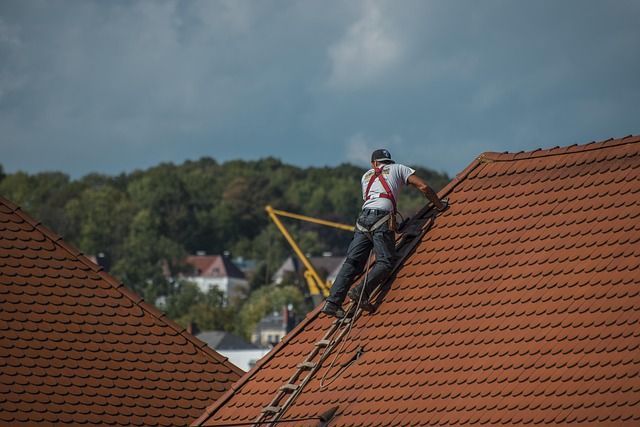
Cover a leak for the short term to prevent more damage with tarping. Major repairs should be done by licensed roofers to ensure proper repair and to provide insurance documentation for claims.
4. Does my standard homeowner policy cover hurricane damage roof repair?
Homeowner policies usually cover roofs that are damaged by wind or hail because of an event, such as a hurricane or thunderstorm. But it usually doesn't cover flood or storm-surge damage which needs a separate flood policy (either an NFIP policy or through a private flood carrier). That is why the best practice is to read your policy carefully as well as retain documentation of rainfall, weather forecasts, etc. which verify that a storm occurred in support of your claim.