Tenant complaints can be an early warning that a commercial roof needs attention. A small drip, a stale smell, or one room that never feels comfortable may point to hidden moisture, damaged roofing materials, poor drainage, or wet insulation.
We encourage property owners and managers to treat these reports as useful maintenance information. In South Carolina, October can still bring heavy rain, wind-driven storms, and leaf buildup, all of which can put extra stress on a commercial roof before winter weather arrives.
Protect Tenant Comfort Before Small Roof Problems Escalate
A tenant usually notices interior changes before anyone sees a problem on the roof. Water may enter through a small opening in a membrane, flashing detail, or roof penetration, then move through insulation and structural components before showing up inside.
That is why a complaint that seems minor should not be brushed aside. We investigate the roof system and the affected interior area to help identify what may be causing the issue. A timely inspection can help you address a localized problem before it affects more suites, common areas, equipment, or finishes.
For commercial, industrial, and multi-tenant properties, clear communication matters. We recommend keeping a simple record of tenant reports so patterns do not get missed over time.
When Commercial Roofing Contractors Investigate Leaks
Water dripping from a ceiling is one of the clearest reasons to request a professional roof inspection. Still, the visible water spot is not always directly below the actual roof opening. Water can travel beneath roofing materials, through insulation, and along decking or framing before it reaches the ceiling.
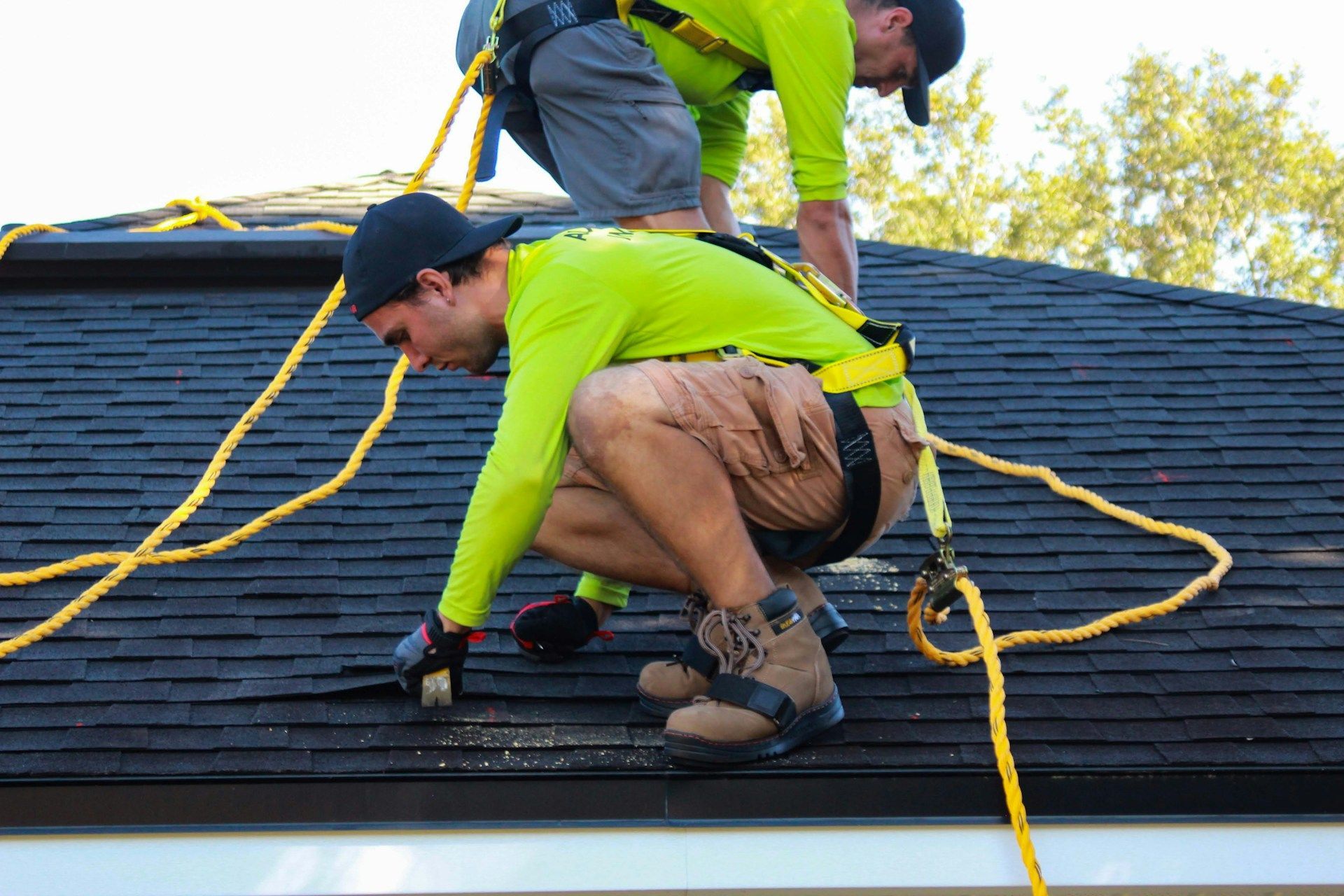
When commercial roofing contractors investigate a leak, we look beyond the obvious wet area. Our inspection may include roof seams, flashing, penetrations, HVAC curbs, skylights, roof edges, drains, and spots where water tends to collect after rain.
Tenant reports that deserve quick attention include:
- Dripping water or a wet ceiling tile
- Ceiling discoloration or bubbling paint
- Damp upper walls or wet flooring near exterior walls
- Water near lighting, outlets, or electrical equipment
- Leaks that return after heavy rain or strong winds
Waiting can allow a small roof defect to create larger interior problems. Moisture can affect insulation, decking, ceiling systems, inventory, equipment, and wall finishes. It can also create frustrating disruptions for tenants who need a dry, safe space to work or serve customers.
Moisture Odors and Stains Signal Hidden Damage
Not every roofing issue begins with a visible drip. Musty odors, humid air, peeling paint, bubbling wall coverings, and unexplained stains can all point to moisture that has been present for some time. In many cases, the roof system has been allowing water into concealed areas long before the complaint becomes obvious.
Saturated insulation can lose some of its ability to help control indoor temperatures. It may also add weight to the roof assembly and hold moisture against nearby building materials. When damp materials stay enclosed, mold or mildew may become a concern.
Before we inspect, it helps when property managers collect details about what tenants are experiencing. Useful notes include:
- The exact suite, hallway, or common area where the issue appears
- When the odor, stain, or moisture was first noticed
- Whether the issue follows rainfall, wind, or humid conditions
- Photos showing stains, peeling finishes, or visible water
- Whether similar complaints have come from nearby spaces
These details do not replace an inspection, but they can help us focus on likely trouble areas and compare interior conditions with the roof above.
Why Commercial Roofing Contractors Check Drainage
Complaints about water near entrances, overflowing gutters, wet walkways, or leaks after a hard rain can be related to drainage. Low-slope commercial roofs rely on drains, scuppers, gutters, and downspouts to move water away from the building. When those parts are blocked or damaged, water can back up where it does not belong.
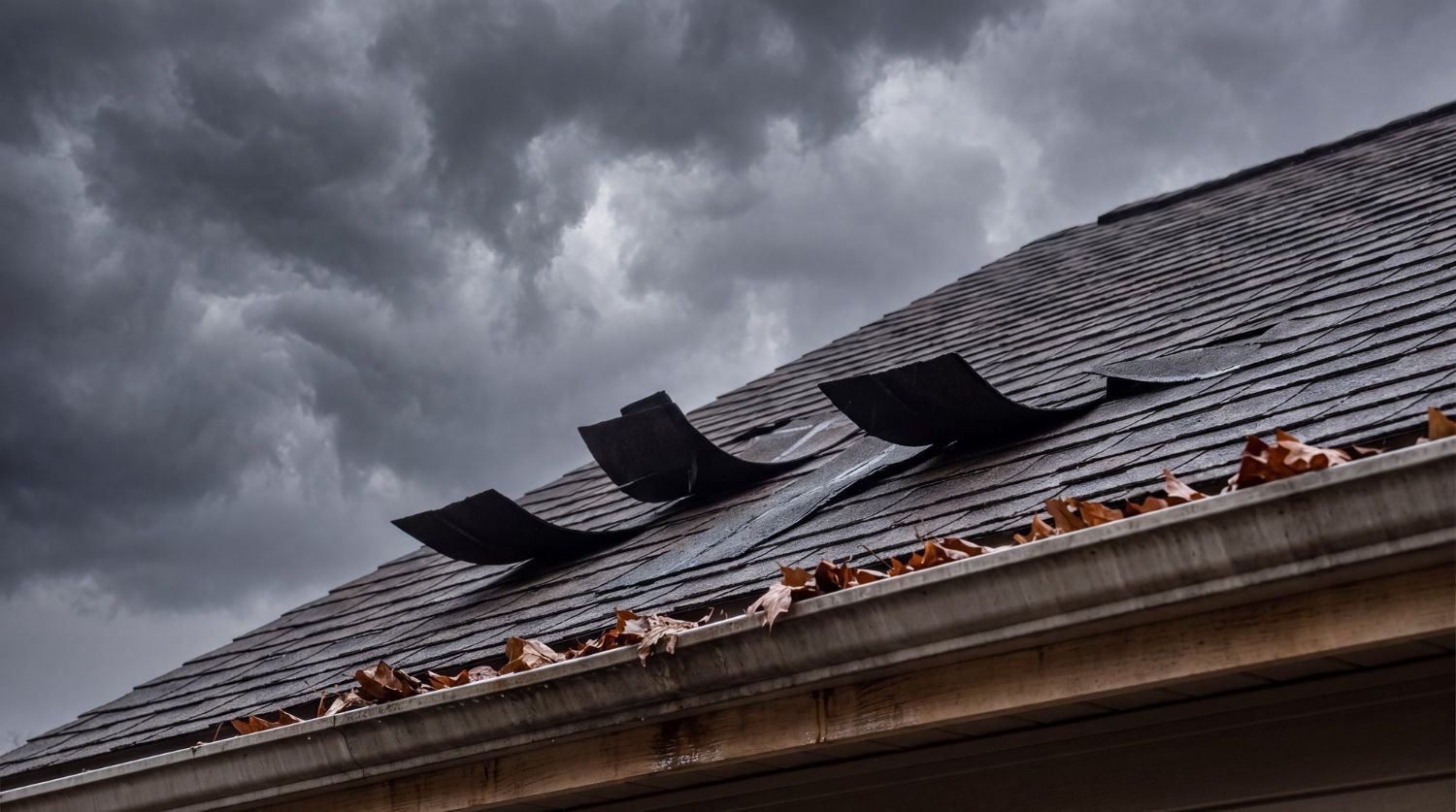
During a roof inspection, we look for standing water, leaves and storm debris, worn membrane around drains, damaged drainage components, and low areas where the roof may be holding water. We also check whether water appears to be reaching roof edges and drainage points as intended.
Fall is a useful time to pay attention to these issues in South Carolina. Leaves, branches, and debris from late-season storms can restrict water flow quickly. Clearing and inspecting drainage components before winter rain arrives can help reduce water backups and the added strain that ponding water can place on the roof system.
Temperature Complaints Can Point to Roof Failures
A room that feels much hotter, colder, draftier, or more humid than the rest of the building is not always an HVAC problem. Sometimes, a roofing issue is allowing outside heat, moisture, or air into the building. Wet insulation, gaps around roof penetrations, and failing equipment curbs can all affect indoor comfort.
We often compare tenant comfort reports with the roof conditions above that area. If a complaint began after a storm or followed a previous repair, that history may help reveal a recurring weak point. Roof inspections can also help determine whether insulation has been affected by moisture or whether air is moving through an opening around rooftop equipment.
Keeping roofing and facility maintenance records together can make future investigations easier. Compare tenant complaints with recent storms, HVAC service visits, utility changes, and prior roof repairs. A clear record helps you see whether the same location keeps causing trouble.
Schedule an Inspection Before Winter Weather Arrives
Tenant complaints should be treated as maintenance clues, not isolated inconveniences. A quick response to a stain, odor, leak, drainage concern, or temperature change can help limit damage and give you a clearer picture of the roof’s condition.
Before cooler and wetter weather adds more stress to the building, document the concern, identify the affected area, and have qualified commercial roofing contractors inspect the roof system. Addressing drainage, flashing, membrane, and insulation concerns early can help protect tenant comfort and prevent a smaller problem from becoming a larger restoration project.
Restore Confidence In Your Roof System
At 5 Stars Roofing, we help property managers respond to tenant concerns with clear findings and practical repair recommendations. Our
commercial roofing contractors can assess your roof’s condition and recommend solutions that fit your building’s needs.
Contact us to schedule an evaluation and keep your property protected.