Roof Mold & Moisture Damage in Humid Climates: Prevention Guide

August 13, 2026

Key Takeaways 


  • To grow, roof mold requires shade, moisture and food–all of which humid, tree-covered South Carolina roofs contain for most of the year. 
  • Before you can even spot anything on the roofing system itself, damage from dampness behind a ceiling occurs within the attic. 
  • NIOSH research shows that nearly half of U.S. homes have some amount of mold or dampness, and it is even more prevalent in humid coastal areas. 


Introduction 


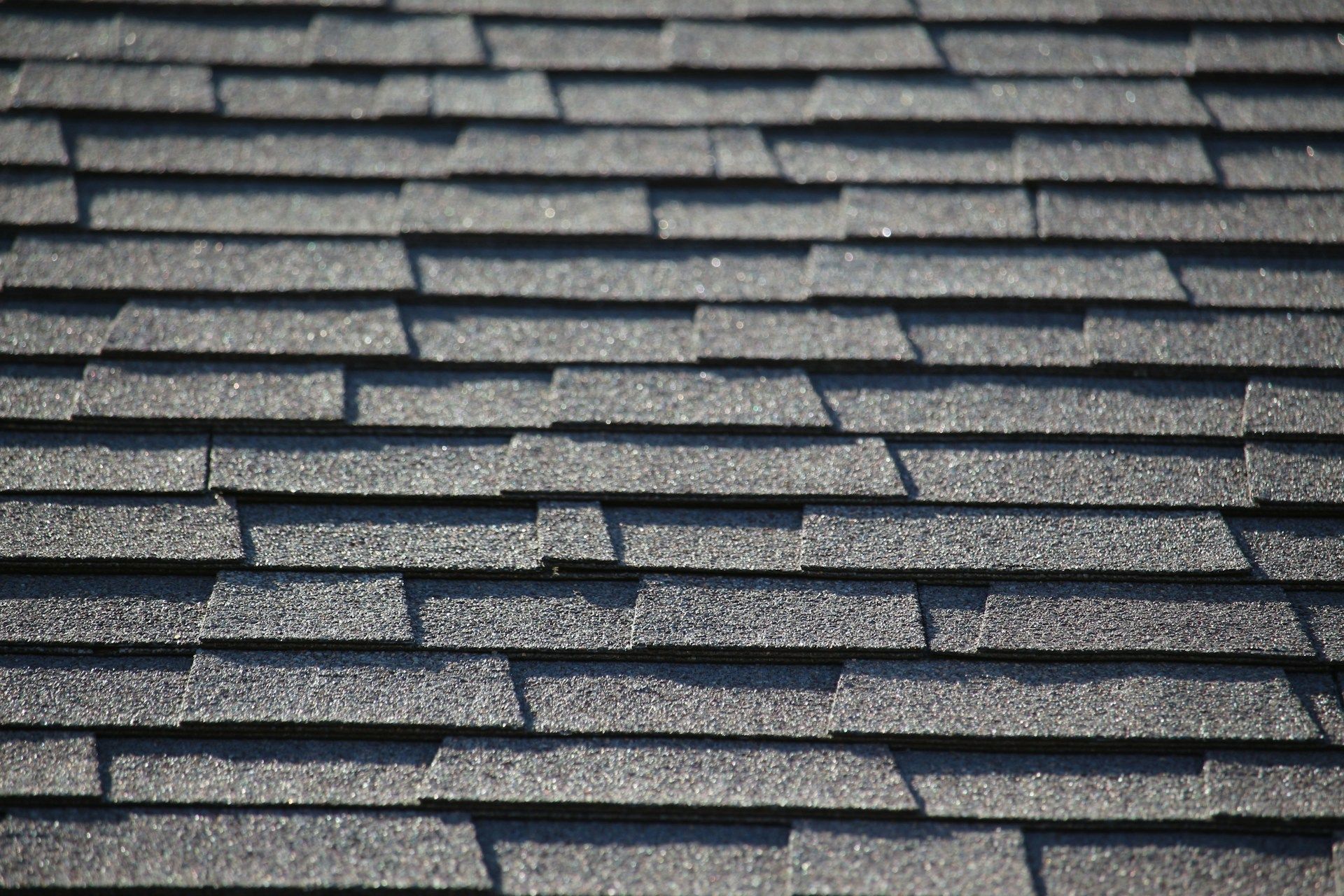
Mold and algae thrive in these three conditions: moisture, warmth, and food. Much of the year, coastal South Carolina serves up all three. In addition, asphalt shingles are made of limestone filler that algae can consume; shaded, north-facing slopes dry out long after the rest of the roof. 


Such growth generally presents initially as black streaking in the vicinity of vents, valleys, and areas shaded by overhanging branches. By the time you see it from your driveway, it's often been growing underneath for months. 


Why Mold Forms on Roof Surfaces? 


Algae spores have shown resilience to treatment attempts for years and can cling to new roofs during installation, as they thrive off the limestone filler present in many asphalt shingles. North-facing slopes that are shaded worsen the scenario, remaining wet long after the rest of the roof has dried out. 


How Does Humidity Damage Roofs Spread Beyond What You Can See? 


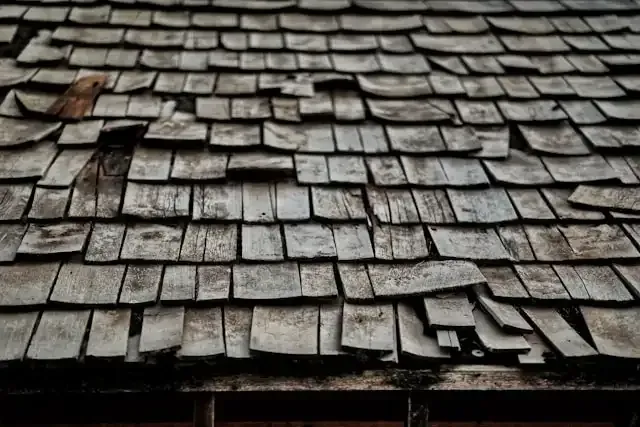
This type of damage doesn't stay on the surface for long. Moisture works its way into the shingle's granules, then beneath them, then between the underlayment and shingles, and finally soaks through to the wood decking below. Although lumber weakens when it remains moist for extended periods, softened decking cannot hold nails or withstand wind like dry decking can. 


In the attic, that same moisture condenses on the roof deck at night, then evaporates during the day. Over time, a small ventilation problem can lead to costly roof deck repairs or replacement. 


Roof Mold Cleaning Cost: What to Expect in South Carolina 


The average cost for a soft wash on a single-story home is a few hundred dollars, more for steep or heavily stained roofs. A soft washing professional does not rinse roofs with a power washer but uses low-pressure rinsing/dirty water buffers and a specialized solution for cleaning since high pressure strips granules, which can shorten shingle life. 


The real cost begins when moisture reaches the roof decking, as repairs can cost thousands of dollars. And then at the same time you're into half deck replacement or more, which can be thousands and thousands of dollars depending on how big your roof is. 


A 2022 analysis via the National Institute for Occupational Safety and Health calculated that almost half of U.S. homes, 47 percent, to be exact, have a population-weighted prevalence of dampness or mold. That risk is well above the national average, which isn't a good thing in such a humid climate as coastal South Carolina. 

DIY Roof Cleaning vs. Hiring a Professional 


DIY works for small, easy-to-access patches of growth. For most single-story asphalt shingle roofs, a mild bleach-and-water solution spritzed with a garden sprayer takes care of light staining. 


For steep roofs, second-story homes, or heavy staining, it's best to hire a professional. Professionals have the right safety equipment and use proper cleaning methods that won't damage your roof. If your roof is steep or slippery, it's safer to hire a professional than risk falling while cleaning it yourself. 


The Bottom Line 


South Carolina ’s humidity really isn't going away, but you can keep mold from showing up with regular roof maintenance. If you catch the problem early till only costs a few hundred dollars, not a ton. If you ignore it though, you may be staring at a whole new roof deck, and that's a very different expense. So do an inspection now before one more hot; wet summer adds more damage on top of what was already there. 


Ready to find out what's really going on under those dark streaks? 


Get Your Free Project Estimate → 


Frequently Asked Questions 


1. How do I know if these dark stains on my roof are mold or dirt? 


Roof shingle mold typically presents dark streaking or fuzzy green-black patches in shaded areas and around vents. Normal dirt is usually spread evenly across the roof, unlike mold. 


2. How Much Should I Expect to Pay for Roof Mold Remediation? 


The price for a basic soft wash roof mold cleaning is typically just a few hundred dollars. If the roof is steep, if it is really stained, or if mold has already damaged the decking below, those costs rise. 


3. Can moisture damage a roof without any apparent leak? 


Yes. Humid damage to roofs often begins in the attic through condensation (which may occur long before any water appears on a ceiling). Typically, this is due to poor attic ventilation. 


4. Is this kind of roof growth dangerous to my health? 


Yes, over time. When roof mold starts creeping in, the spores can slide into the attic insulation and then end up moving around with the indoor airflow, so for some people it just makes allergy or asthma symptoms feel worse. If anyone in the house is dealing with breathing problems already, it’s probably smart to have the roof checked and treated sooner than later, because waiting around can be kinda risky. 


5. How often should a humid-climate roof be checked for mold? 


It is recommended for roofs in humid climates to perform a minimum of annual inspection. However, after a large storm it would be wise to check for any mold growth to ensure any damage was found and addressed as soon as possible to prevent any cleaning and or repairs to turn into a full deck replacement due to unattended minor moisture issues that were left unchecked for long periods of time. 


6. What’s the best time of year to clean roof mold in South Carolina? 


Late fall to early spring is the best time of year to clean roof mold in South Carolina. Because roof mold and fungus cleaning can pick up pollen and stir up the air of pollen to unhealthy levels, it is generally best to avoid these months of typical pollen season. Cleaning the roof before an extended dry period of weather allows best results for long lasting treatment of mold and fungus on your roof. It allows shingles to dry out completely.
Recent Posts

August 14, 2026
Learn how historic roof restoration preserves architectural character while meeting modern building codes, safety standards, and performance needs.
August 13, 2026
Explore metal roofing in South Carolina, including wind ratings, salt-air resistance, durability, maintenance needs, and long-term value for homeowners.
August 13, 2026
Learn why homeowners struggle to insure their roofs and discover practical steps to improve insurability, address risks, and protect your home.
August 13, 2026
Learn how to protect your roof during the 2026 Atlantic hurricane season with essential preparation, maintenance, and storm damage prevention tips.
Hail Damage vs Wind Damage: How to Identify the Type of Roof Damage After a Storm
July 9, 2026
Learn how to identify hail and wind roof damage after a storm. Compare signs, causes, and when to schedule a professional inspection.
Emergency Roof Tarping After Storm Damage: How to Protect Your Property Before Repairs Begin
July 8, 2026
Learn how emergency roof tarping protects your property after storm damage and helps prevent further damage before roof repairs begin.
Flat Roof vs Pitched Roof for Commercial Buildings: Pros, Cons, and Cost Comparison
July 8, 2026
Compare flat and pitched roofs for commercial buildings. Explore the pros, cons, costs, and maintenance needs to choose the right roof.
Commercial Roof Maintenance Plans: Save Long-Term Costs
July 8, 2026
Discover how commercial roof maintenance plans reduce repair costs, extend roof life, and protect your investment with preventive care.
Roof Warranty Guide: What’s Covered, What’s Not, and How to Protect Your Investment
July 8, 2026
Learn what your roof warranty covers, what's excluded, and how to protect your investment with this comprehensive roof warranty guide.
Roof Financing Options: How Homeowners Can Pay for a New Roof
July 8, 2026
Explore roof financing options to help pay for a new roof. Compare loans, insurance, and payment plans to find the best solution.
Show More