
Historic Roof Restoration: Preserving Character While Meeting Modern Codes

August 14, 2026

Key Takeaways 


  • In Charleston, historic roofs are generally repaired rather than replaced because preservation guidelines prioritize maintaining original materials. 
  • When properly maintained, historic home roofing like slate, clay tile, and standing seam metal frequently lasts longer than modern shingles. 
  • Begun in 1931, Charleston's Board of Architectural Review is the oldest board of its kind in the nation and has been greenlighting changes to roofs ever since. 


Introduction 


Charleston has some of the oldest historic roofs in America, with many dating back more than 200 years. 


Every one of them raises the same question: preserve the original roof, or bring it up to modern standards? Proper historic roof restoration achieves both goals: preserving character while meeting modern standards. Here's what preservation boards require, what historic roof restoration costs, and how to balance modern codes with historic character. 


What Historical Roof Restoration Actually Involves 


This type of work involves restoring and reinforcing existing roof structure and materials instead of ripping it off for a fresh start. In Charleston's historic districts, this isn't just a preference for its policy. According to the city's Board of Architectural Review, historic roofs should be repaired, not replaced, whenever feasible. 


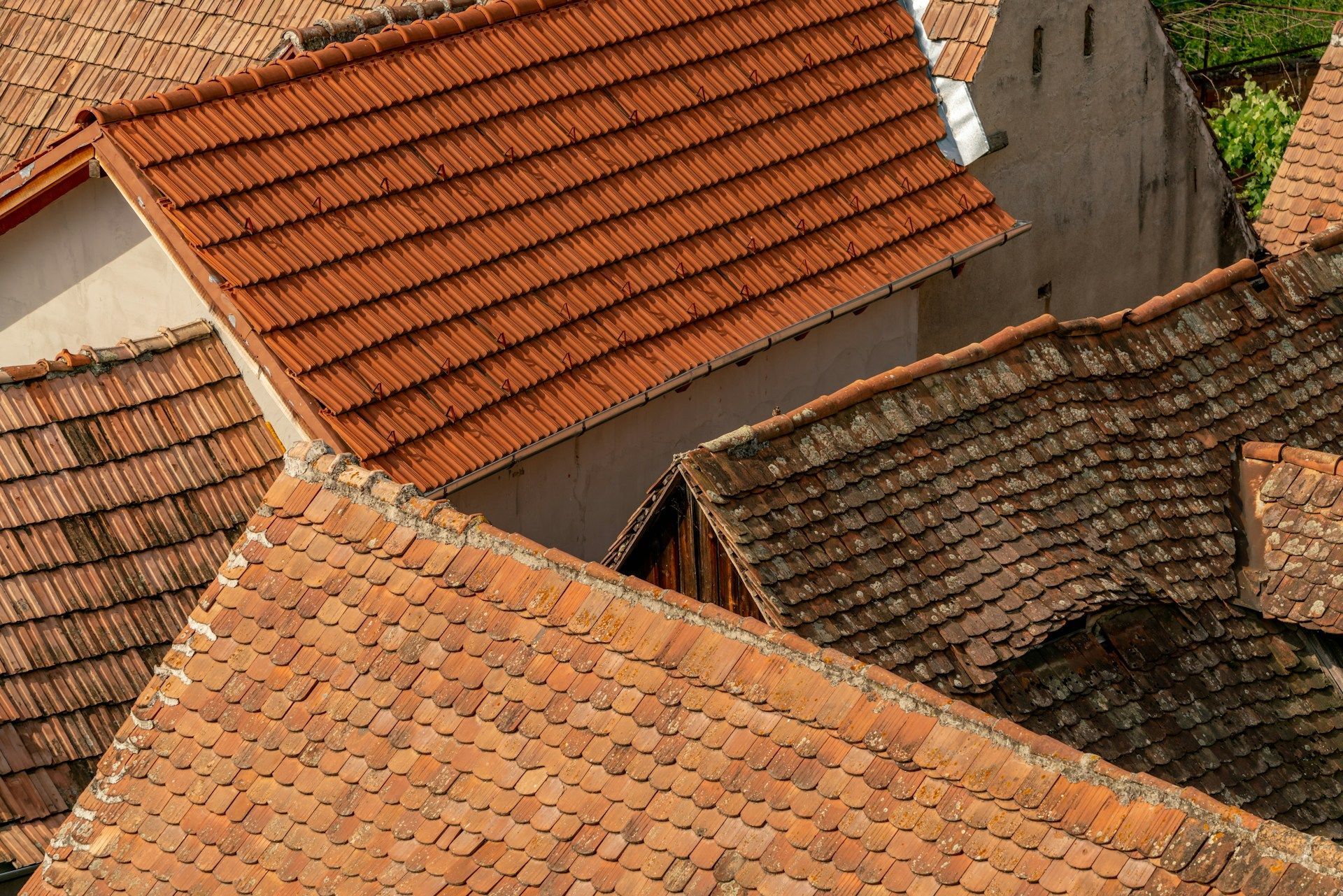
That includes matching slate sizes, reusing salvageable clay tile, and patching standing seam metal rather than replacing it with newly manufactured panels. An experienced restoration contractor should view the existing roof as the baseline, not the enemy. 


Historic Home Roofing Materials Worth Preserving 


Rather, these materials were often constructed to endure far longer than what encases new homes today. Slate has longevity that could easily range over a century. When standing seam metal is maintained properly, it routinely outlasts three or four asphalt shingle roofs added over precisely the same period. 


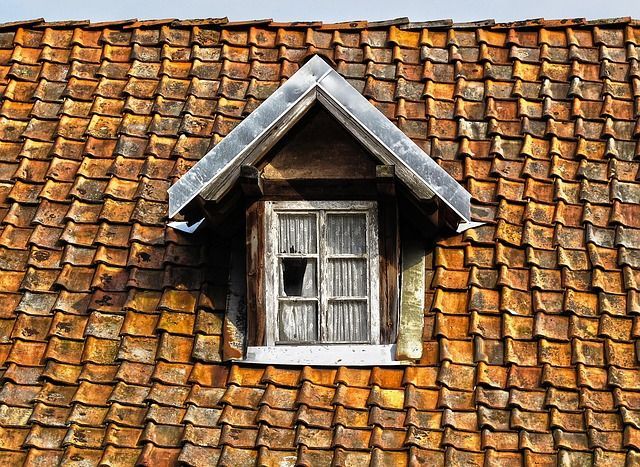
Wood shingles and clay tiles require more maintenance, but they are preserved because they match the home's historic period. In fact, ripping them out to install modern shingles typically doesn't even pass the first round with a preservation board, and therefore matching the original material is usually your only ticket to approval. 


Finding a Contractor Who Understands Older Roofs 


Century-old materials are not the easiest to work with, and not every roofer can handle them well. Request photos from older jobs on houses of similar age and inquire if the crew has filed plans with a neighborhood review panel previously. If a contractor hesitates, they may not have enough experience working in historic homes. 


Not Sure Where to Start? 


Having a South Carolina crew that is used to dealing with older homes to perform a free inspection. 


Schedule Your Free Inspection → 

Where Modern Roofing Code Meets a Historic Roof 


Building codes still apply to historic homes. They require proper wind resistance, decking, and ventilation. They still require wind uplift resistance, appropriate decking, and ventilation even on a roof that is 200 years old. The secret is to make code meet from beneath, where nobody on the street can see it. 


An aged roof can meet today's code standards without the need to replace a visible shingle or piece of slate tile, through hidden fasteners and upgraded underlayment or reinforced decking. And this is where a seasoned contractor makes money. Some genuine difficulty when meeting code and reusing the original roof. 


The city's Board of Architectural Review, created in 1931, was the first preservation review board established in America. City of Charleston, Board of Architectural Review. Almost a century later, it still reviews any roof alteration that can be seen from the street in city historic districts. 


The Bottom Line 


A historic roof is also not just an older one. That is a feature all over the street that defines character. This preservation method secures that charm without drawing attention to the fact that all roofs in South Carolina must pass the same strict standards set for safety. Know a contractor that knows both sides before anything ever pops the tile off? 


Want to restore your historic roof the good way? 


Grab Your Free Project Estimate → 


Frequently Asked Questions 


1. Does restoring a historic roof cost more than a regular reroof? 


Usually, yes. Historic work is more costly because sourcing matching slate, tile, or metal panels will drive the price versus standard shingles, and skilled labor for this type of historic work has become increasingly scarce. Many owners discover that it's still less expensive than required restoration of a mismatched replacement flagged by a review board as code-violating. 


2. Am I allowed to replace a historic roof with modern materials? 


In the vast majority of Charleston historic districts, no, not if that roof can be seen from the street. Membership organizations often require material matching original or close approved substitute(s). 


3. What Building Code Requirements Apply to Historic Homes? 


Historic and modern roofs are equally subject to the same wind, decking, and ventilation requirements. They meet those requirements in technically different ways, without altering the roof's visible appearance. 


4. How do I know if my home needs to be approved by the board to re-roof? 


Check with your local historic commission if you live in a designated historic district; approval almost always is required for roofs visible from a public street. A local roofing contractor who knows the drill can inform you in no time. 

Recent Posts

August 13, 2026
Learn how to prevent roof mold and moisture damage in humid climates with practical tips for ventilation, maintenance, inspections, and repairs.
August 13, 2026
Explore metal roofing in South Carolina, including wind ratings, salt-air resistance, durability, maintenance needs, and long-term value for homeowners.
August 13, 2026
Learn why homeowners struggle to insure their roofs and discover practical steps to improve insurability, address risks, and protect your home.
August 13, 2026
Learn how to protect your roof during the 2026 Atlantic hurricane season with essential preparation, maintenance, and storm damage prevention tips.
Hail Damage vs Wind Damage: How to Identify the Type of Roof Damage After a Storm
July 9, 2026
Learn how to identify hail and wind roof damage after a storm. Compare signs, causes, and when to schedule a professional inspection.
Emergency Roof Tarping After Storm Damage: How to Protect Your Property Before Repairs Begin
July 8, 2026
Learn how emergency roof tarping protects your property after storm damage and helps prevent further damage before roof repairs begin.

Flat Roof vs Pitched Roof for Commercial Buildings: Pros, Cons, and Cost Comparison
July 8, 2026
Compare flat and pitched roofs for commercial buildings. Explore the pros, cons, costs, and maintenance needs to choose the right roof.
Commercial Roof Maintenance Plans: Save Long-Term Costs
July 8, 2026
Discover how commercial roof maintenance plans reduce repair costs, extend roof life, and protect your investment with preventive care.
Roof Warranty Guide: What’s Covered, What’s Not, and How to Protect Your Investment
July 8, 2026
Learn what your roof warranty covers, what's excluded, and how to protect your investment with this comprehensive roof warranty guide.
Roof Financing Options: How Homeowners Can Pay for a New Roof
July 8, 2026
Explore roof financing options to help pay for a new roof. Compare loans, insurance, and payment plans to find the best solution.
Show More