Fall days in South Carolina can feel warm, while evenings cool down quickly. Those temperature swings may seem mild, but they can put added stress on aging asphalt shingles and expose damage that was already developing.
We often find that small roof issues become easier to spot in early fall, before heavier rain and colder nights arrive. Paying attention now can help you protect your roof from leaks, interior water damage, and larger restoration needs later in the season.
Protect Your Roof Before Fall Weather Gets Worse
Late September is a smart time to look over your roof for signs of wear. Warm afternoons followed by cooler evenings cause roofing materials to expand and contract. On an older roof, that repeated movement can reveal weak areas around nail holes, flashing, valleys, vents, and roof edges.
From the ground, you may notice obvious changes that deserve professional attention. Common warning signs include:
- Missing granules in gutters or near downspouts
- Lifted shingle corners or curled edges
- Cracked, loose, or missing shingle tabs
- Water stains on ceilings or walls
- Dark spots or visible damage near flashing and roof penetrations
A few missing granules or one lifted shingle may not look serious, but water does not need much space to enter a roofing system. We recommend addressing visible damage early, before a targeted repair turns into a larger restoration or roof replacement project.
Temperature Changes Can Stress Aging Shingles
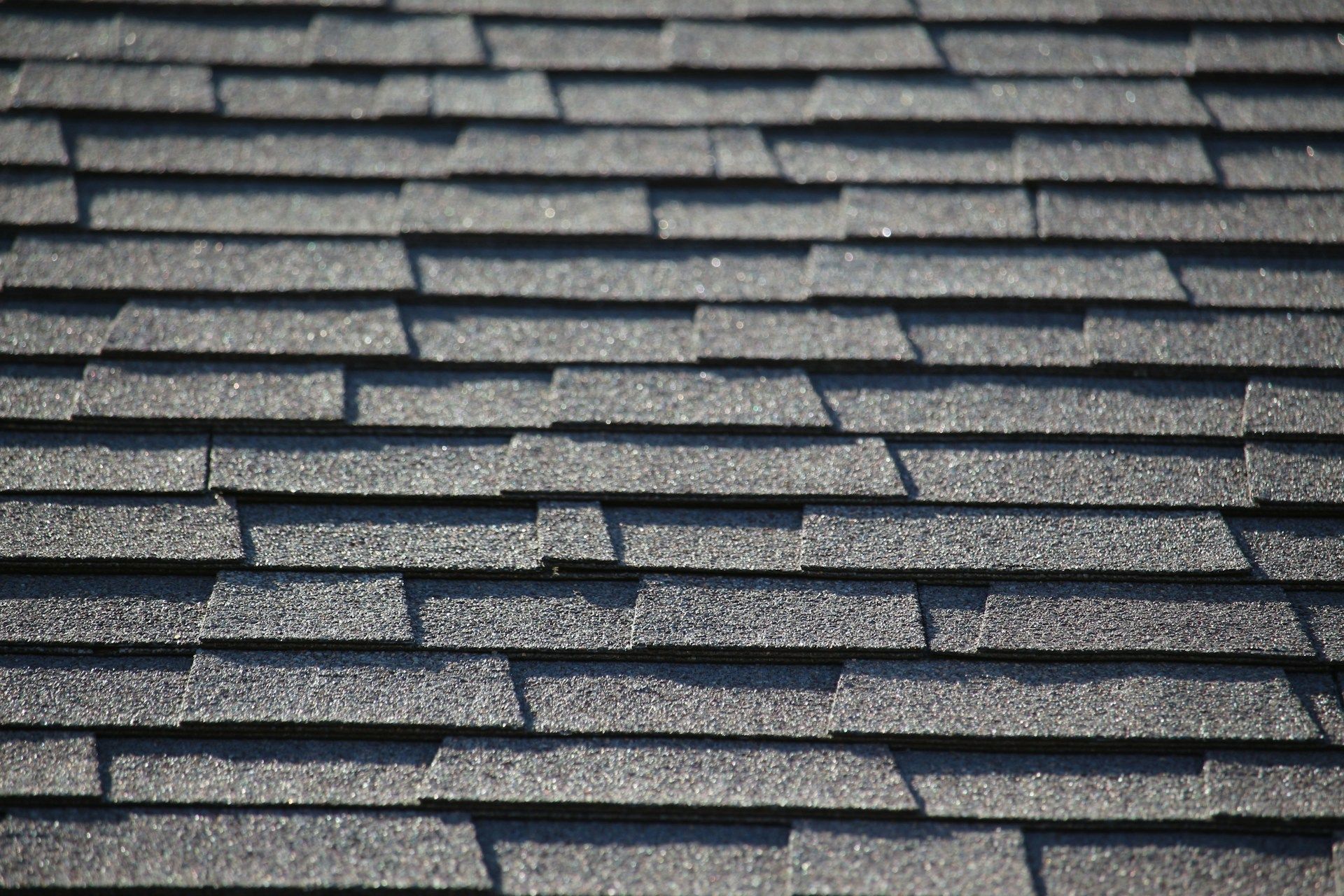
Asphalt shingles react to changing temperatures throughout fall. Afternoon warmth can soften the asphalt material, while cooler overnight temperatures can make shingles less flexible. That cycle of expansion and contraction may worsen cracks, curls, and loose tabs that were already present.
Older roofs are often more affected because years of sun exposure can dry out asphalt shingles. A shingle that appears flat and secure on a warm day may become brittle once temperatures drop. When that happens, weak areas can crack or lift more easily during wind and rain.
Leaks often begin where the roof has openings, seams, or changes in direction. During an inspection, we pay close attention to areas such as:
- Ridge caps near the top of the roof
- Chimney flashing and wall intersections
- Pipe boots, vents, and other roof penetrations
- Valleys where rainwater naturally collects
- Shingles along roof edges exposed to wind-driven rain
Our asphalt shingle repair services begin with identifying whether the issue is limited to a few damaged shingles or points to a broader problem with the roofing system. Covering up a visible crack without checking the surrounding materials may leave the true source of a leak behind.
Cooler Weather Can Affect Repair Timing and Materials
Weather matters when shingles need to be repaired or replaced. During cooler conditions, asphalt shingles can be harder to bend, align, and secure without damage. This is especially important when a repair involves replacing cracked tabs or resealing lifted shingle edges.
Shingles also have self-sealing adhesive strips that are designed to bond with adequate warmth. If temperatures stay cool, those strips may take longer to seal naturally. Experienced roofers account for this by following approved installation methods that keep shingles properly secured while the adhesive bond develops.
Moisture is another concern. A dry roof surface helps prevent water from being trapped beneath shingles during repairs. Moisture beneath roofing materials can contribute to leaks, wood rot, mold growth, and early material breakdown. Before work begins, we monitor conditions such as temperature, wind, rain, and surface moisture so repairs can be completed using sound installation practices.
Temporary patches can be useful in limited situations, but they are not a replacement for a proper repair. Asphalt shingle repair services should follow manufacturer guidance and address the damaged area in a way that can stand up to the next storm.
Fall Rain Can Turn Small Damage Into Roof Leaks
South Carolina fall weather can bring heavy rain, strong winds, and lingering humidity. A small opening beneath a lifted shingle can allow water to move below the surface and reach underlayment, roof decking, insulation, or interior spaces.
Summer heat and storms may loosen shingles without causing an immediate leak. Once cooler weather makes those materials less pliable, damaged tabs and cracked edges can become more vulnerable. Rainwater may then enter through exposed nail heads, missing shingles, failing flashing, or gaps around vents.
The result is not always obvious right away. Water can travel along roof decking before it reaches a ceiling or wall, which means the stain inside may appear far from the actual roof damage. Delaying repairs can lead to damp attic insulation, ceiling stains, mildew, wood rot, and more disruption inside a home or commercial building.
Prompt assessment after a major storm or after spotting damage helps us determine whether a focused repair can protect the roof and support a longer service life. Finding the source early is usually less disruptive than waiting for water intrusion to spread.
Professional Inspections Find Hidden Fall Damage
A view from the ground can reveal missing shingles or obvious debris, but it cannot show every weak point beneath the roof surface. Professional inspections help us look beyond visible symptoms and check the parts of the roof where leaks often begin.
During an inspection, we may evaluate shingle condition, granule loss, flashing, roof penetrations, gutters, attic ventilation, soft decking, storm damage, and older repairs that are no longer performing as intended. South Carolina properties can also face different weather conditions depending on their location, from coastal humidity and wind to cooler Upstate evenings.
At 5 Stars Roofing, we provide clear repair recommendations for residential, commercial, and industrial property owners dealing with roof wear, leaks, or storm damage. Our focus is on locating the actual source of the issue rather than simply covering what is visible.
Before winter weather and seasonal storms add more stress, damaged shingles deserve prompt attention. Addressing cracks, lifted edges, and weak flashing during fall can help keep your roof stronger, drier, and better prepared for the months ahead.
Restore Reliable Protection for Your Roof
At 5 Stars Roofing, our team can assess shingle concerns and recommend the right next steps for lasting performance. Schedule
asphalt shingle repair services to address problem areas with professional care. To discuss your roof's condition or request an inspection,
contact us today.