Protect Your Roof Before Winter Rains Arrive
Late fall is a smart time for a roof check in Columbia. After leaves have dropped, our team can see more of the roof surface and spot trouble that may have been hidden during the year. Leaves, pine needles, and seasonal rain can reveal drainage issues before colder, wetter weather puts more stress on the roof.
As roofing contractors in Columbia, SC, we inspect more than the shingles you can see from the ground. A complete post-leaf check can include gutters, valleys, flashing, roof penetrations, attic spaces, and signs of storm damage. Finding a small concern early may help you avoid a leak, interior water damage, or a larger repair later.
Leaf Buildup Can Create Costly Water Pathways
Leaves do not have to cover an entire roof to cause a problem. Pine needles, small twigs, and wet leaf piles often settle in gutters, downspouts, roof valleys, and behind chimneys. Once rain soaks that debris, water may move more slowly, pool in the wrong place, or back up beneath the roof’s protective layers.
During a gutter inspection, we look for signs that water is not moving away from the building as it should. This includes problems such as:
- Clogged downspouts and standing water in gutter channels
- Loose gutter sections, sagging hangers, and damaged seams
- Overflow marks on fascia boards, siding, or exterior walls
- Roof edge wear caused by repeated moisture exposure
November rain can turn a light layer of debris into a heavy, moisture-holding mat. That weight can strain gutters, while trapped moisture can linger along the roof perimeter. Clearing and inspecting these areas before winter helps reduce the chance that water will find an opening near the edges of your roof or collect near the foundation.
Roofing Contractors in Columbia, SC Find Leaf Damage
Roof valleys deserve close attention after leaf drop. These angled channels carry large amounts of rainwater toward the gutters, so even a small blockage can change the water’s path. When leaves and pine needles hold moisture in a valley, we look for granule loss, worn shingles, deteriorated materials, and evidence of hidden leaks.
Across the rest of the roof, our inspections focus on the condition of shingles and exposed surfaces. Leaf buildup can cover lifted, cracked, curled, missing, or blistered shingles. It can also hide exposed nail heads, worn ridge caps, failing sealant, and places where debris has rubbed against roofing materials over time.
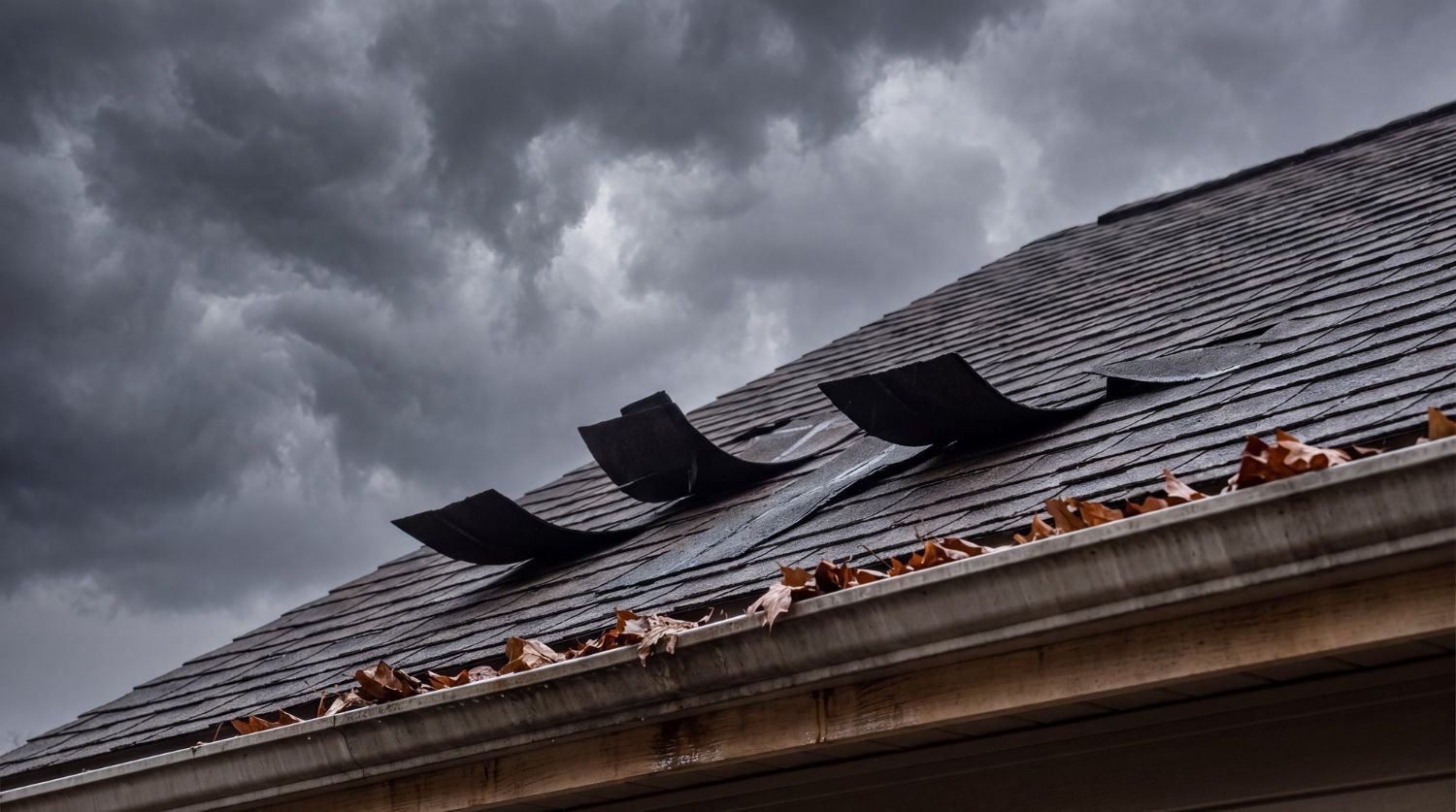
A clearer roof surface also makes storm-related damage easier to identify. Wind, hail, falling limbs, and heavy rain can leave behind concerns that are easy to miss when debris is present. Once the leaves are gone, we can better assess visible damage and identify areas that may need repair before another rainy stretch arrives.
Shingles and Flashing Need a Post-Leaf Check
Flashing is one of the most important parts of a roof’s water-shedding system. It is placed around chimneys, skylights, dormers, wall intersections, and other areas where roofing materials meet an opening or vertical surface. Wet leaves may collect around these spots, holding water against metal flashing and sealant where even a small gap can lead to an interior leak.
We also inspect roof penetrations, which are openings made for plumbing vents, exhaust vents, satellite mounts, and similar components. A roof can appear fine from a distance while one worn vent boot or loose fastener allows water into the roof deck or attic.
Tree growth is another part of the conversation. During a post-leaf roof check, we watch for:
- Branches touching or scraping shingles
- Overhanging limbs that drop repeated debris
- Punctures or impact marks from fallen branches
- Damaged flashing or shingles near tree-covered areas
When branches repeatedly contact a roof, they can wear down its surface and add debris faster than the gutters can handle. Storms can make that risk worse, so it is helpful to identify vulnerable areas before winter weather arrives.
Roofing Contractors in Columbia, SC Check Attic Moisture
A roof inspection is not only about what we find outside. Attic spaces can show early signs of moisture entry that are not yet visible on ceilings or walls. We look for water stains, damp insulation, mildew odors, mold growth, darkened roof decking, and other clues that rainwater may be getting past the roofing system.
Ventilation also matters. Soffit vents, ridge vents, and other airflow pathways need to remain clear so humid air does not become trapped in the attic. Poor airflow or blocked exterior vents can contribute to condensation, insulation damage, wood rot, and uncomfortable indoor conditions.
Small leaks often travel before they become obvious. Water can move through insulation, framing, ceilings, and walls, making the original entry point hard to find. By comparing exterior roof conditions with what we see in the attic, we can better identify the source of moisture rather than focusing only on where the damage finally appeared indoors.
Plan for a Post-Leaf Roof Assessment
A professional assessment after leaf drop gives you a clearer picture of how your roof is handling water. For residential, commercial, and industrial properties, we evaluate roof surfaces, drainage areas, flashing, storm-related concerns, and moisture signs that could point to a developing problem.
Before winter rain and colder nights add more strain, a thorough inspection can help you address blocked drainage, worn materials, and hidden moisture concerns while they are still manageable. Keeping leaves and pine needles from masking roof issues is one practical way to protect the building beneath.
Protect Your Roof With Expert Guidance
At 5 Stars Roofing, we provide clear recommendations tailored to your roof’s current condition and long-term needs. Our
roofing contractors in Columbia, SC can help identify the right next steps for your property.
Contact us to discuss your roofing concerns with our team.