Stop a Small Leak Before It Becomes Major Damage
A small roof leak can become a much bigger problem faster than many property owners expect. Water that slips through a few missing shingles, damaged flashing, or a small puncture may soak insulation, stain ceilings, damage drywall, and reach wood framing or electrical components.
South Carolina’s late-fall weather can put extra stress on a roof. Heavy rain, wind, falling branches, and leftover damage from hurricane season may expose weak spots that were not obvious during dry weather. Fast emergency roof repair can help limit active water entry, but temporary protection is not the same as a complete repair. We help residential, commercial, and industrial property owners stabilize urgent roof problems, identify likely damage, and plan for lasting repairs.
How Emergency Roof Repair Limits Water Damage
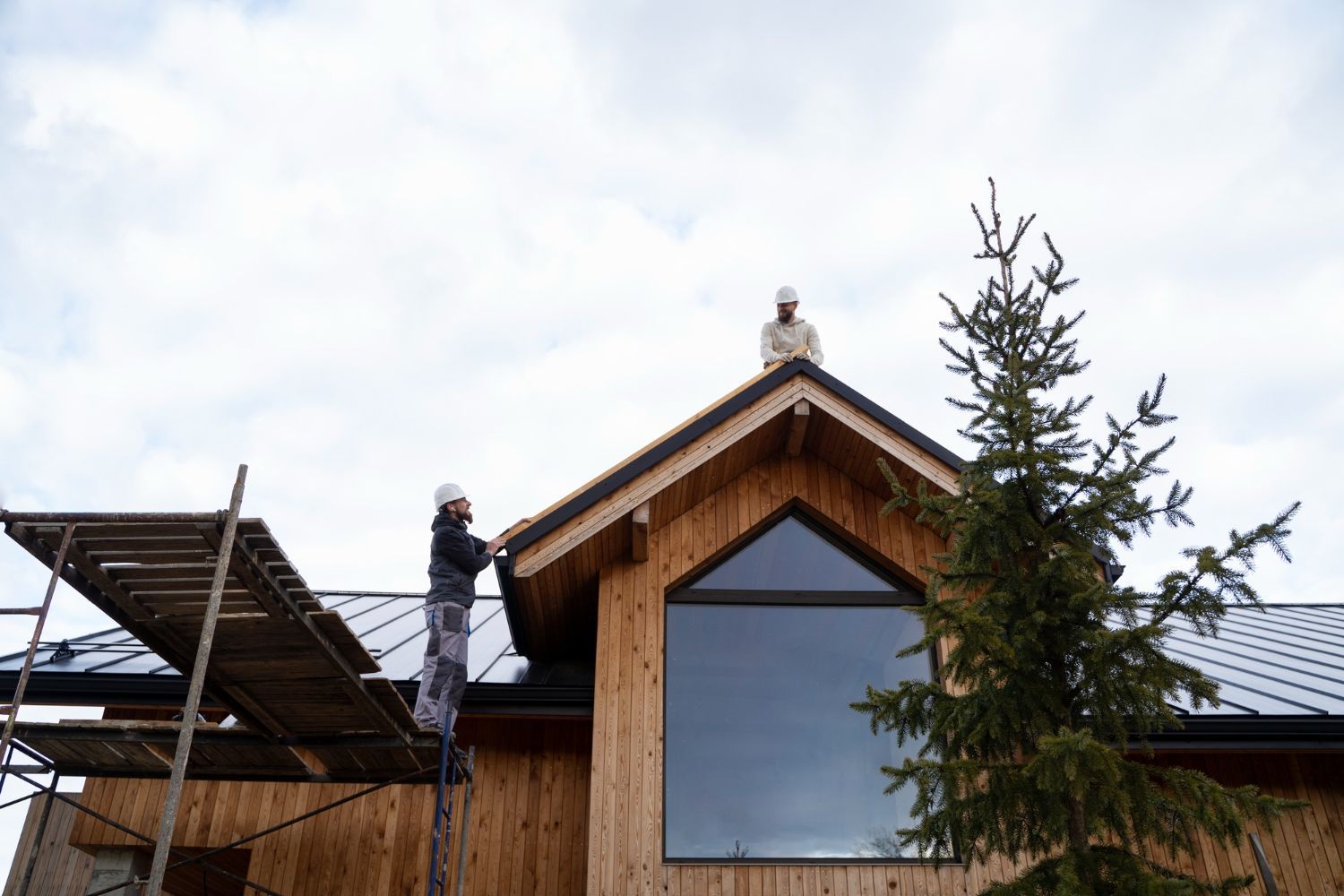
The main purpose of emergency roof repair is stabilization. When rain is entering your property, we work to locate the likely entry point and protect that area from more water until permanent work can be completed safely.
A leak does not always fall straight down from the damaged spot. Water can move along roof decking, rafters, insulation, and other materials before it appears as a ceiling stain or drip. By controlling water at the roof level, we can help protect the spaces and materials below it.
Emergency protection may include:
- Tarping damaged areas to shield them from rainfall
- Securing loose shingles, panels, or other roofing materials
- Covering exposed roof decking or openings caused by debris
- Removing debris that is blocking drainage paths
- Sealing vulnerable openings around damaged roof areas
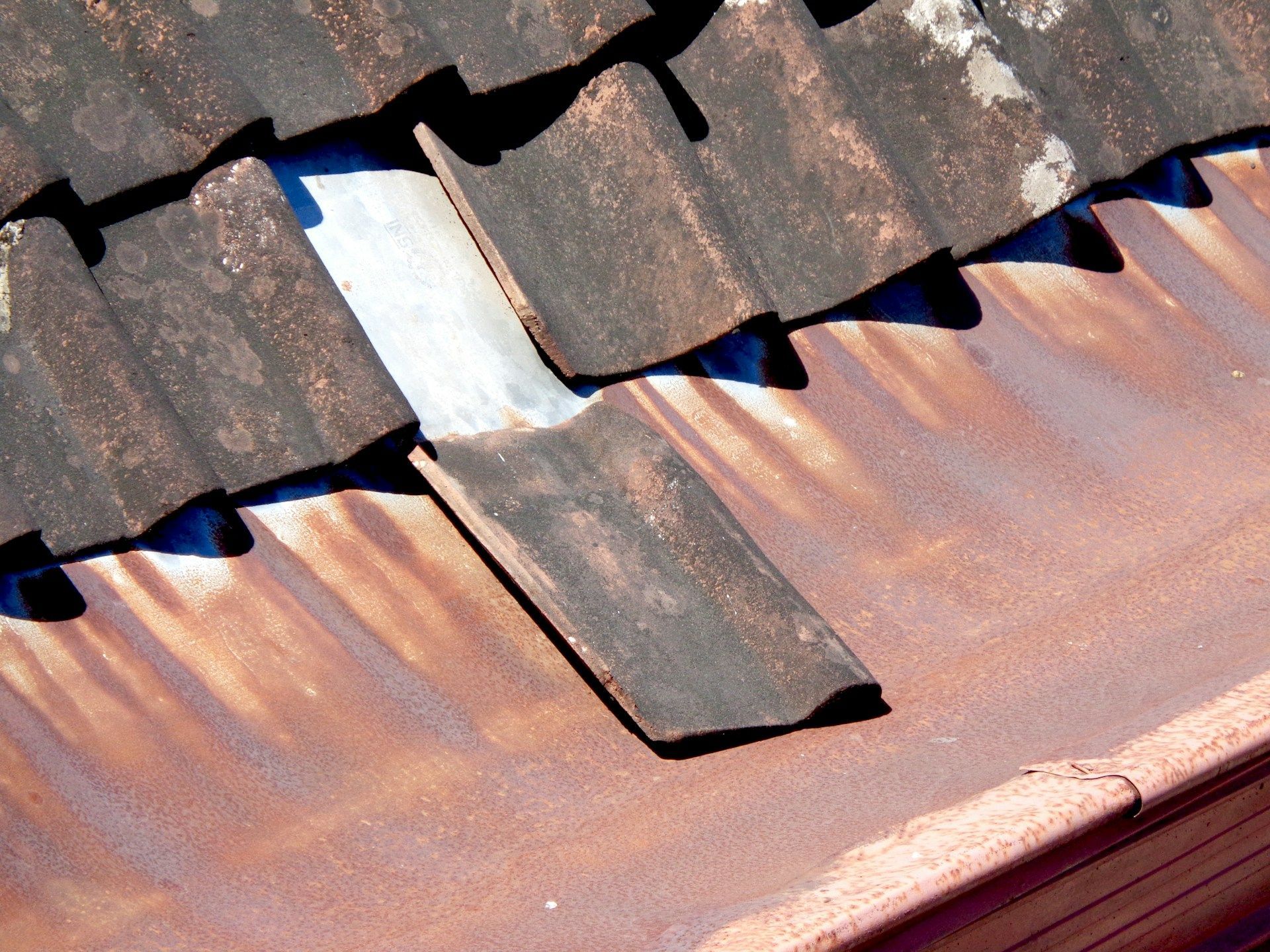
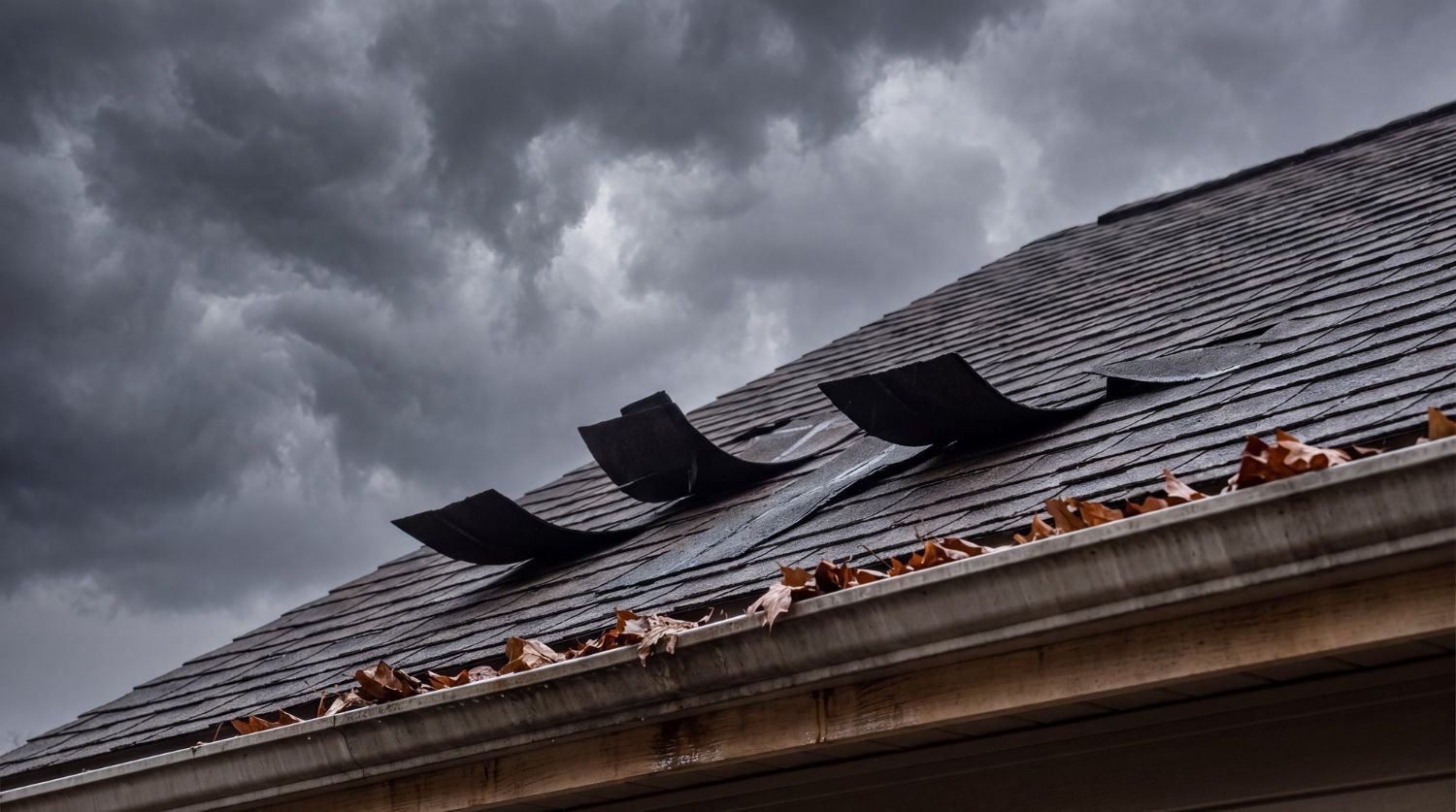
Storm-blown shingles, branch punctures, loose flashing near a chimney, and leaks around vents are all common reasons to seek emergency help. A temporary solution can reduce immediate water intrusion, but it should be followed by a professional inspection and a clear plan for permanent repair or replacement.
Why Small Roof Leaks Can Spread so Quickly
A water stain on the ceiling is often only part of the problem. The visible mark may be several feet away from where water first entered the roof. Before the leak becomes noticeable indoors, moisture may already be moving through insulation, roof decking, framing, or wall cavities.
That hidden movement is why delays can lead to more restoration work. Wet insulation can lose its ability to protect your property from outdoor temperatures. Drywall can soften and bubble. Wood materials can stay damp and begin to deteriorate. Moisture trapped in concealed areas may also create conditions where mold can grow.
For commercial and industrial properties, the effects can reach beyond the building itself. Water intrusion may affect inventory, equipment, stored materials, work areas, and day-to-day operations. If water reaches electrical fixtures or panels, it can also create a serious safety concern.
November weather can make an already weakened roof more likely to leak. Hurricane season may be winding down, but rainfall, wind events, shifting temperatures, and leaf buildup can still challenge drainage and expose storm-related damage. When we contain a leak early, there is less time for moisture to spread into areas you cannot easily see.
Signs a Leak Needs Immediate Professional Attention
Some roof concerns can wait for a scheduled inspection, but active water intrusion should be treated differently. If water is entering your home or building, it is smart to focus first on safety and limiting interior damage while professional help is arranged.
Warning signs that may call for emergency roof repair include:
- Active dripping or water running down walls
- Ceiling discoloration, bubbling paint, or wet drywall
- A sagging ceiling or a sudden wet spot overhead
- Wet attic insulation or visible moisture on roof framing
- Missing shingles, loose flashing, or storm-damaged roofing materials
- A roof puncture caused by a fallen limb or other debris
- Water near lights, outlets, electrical panels, or equipment
While waiting for help, move furniture, electronics, inventory, and valuables away from the affected area when it is safe to do so. Place containers under active drips and take photos of visible damage for your records. If water is near electrical components, shut off electricity to that area only if you can do so safely.
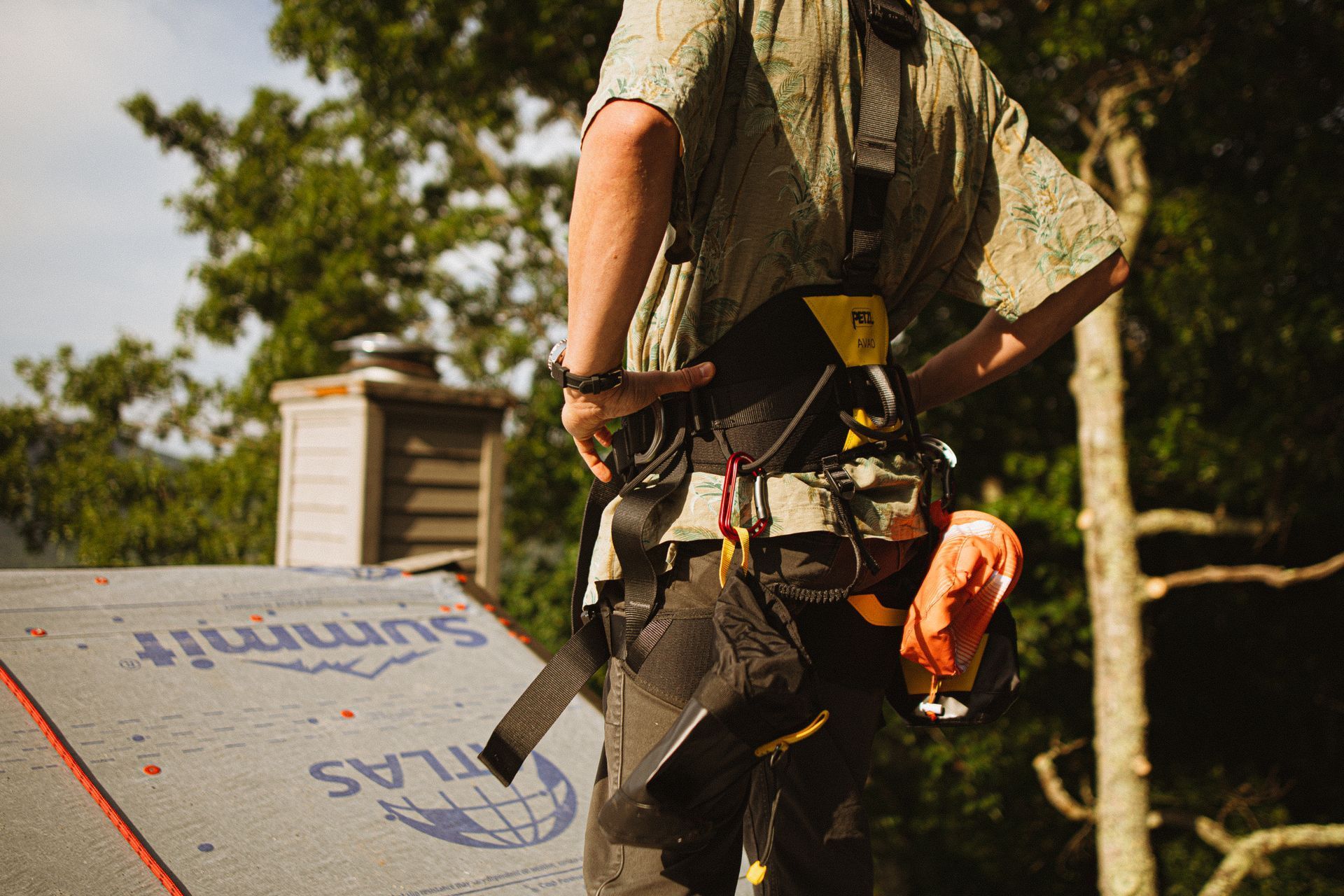
Please do not climb onto a wet, windy, or visibly damaged roof. Temporary patches made during bad weather can create additional damage, and they may hide the real source of the leak. Our team can assess the roof without putting you at unnecessary risk.
What to Expect During an Emergency Roof Repair Visit
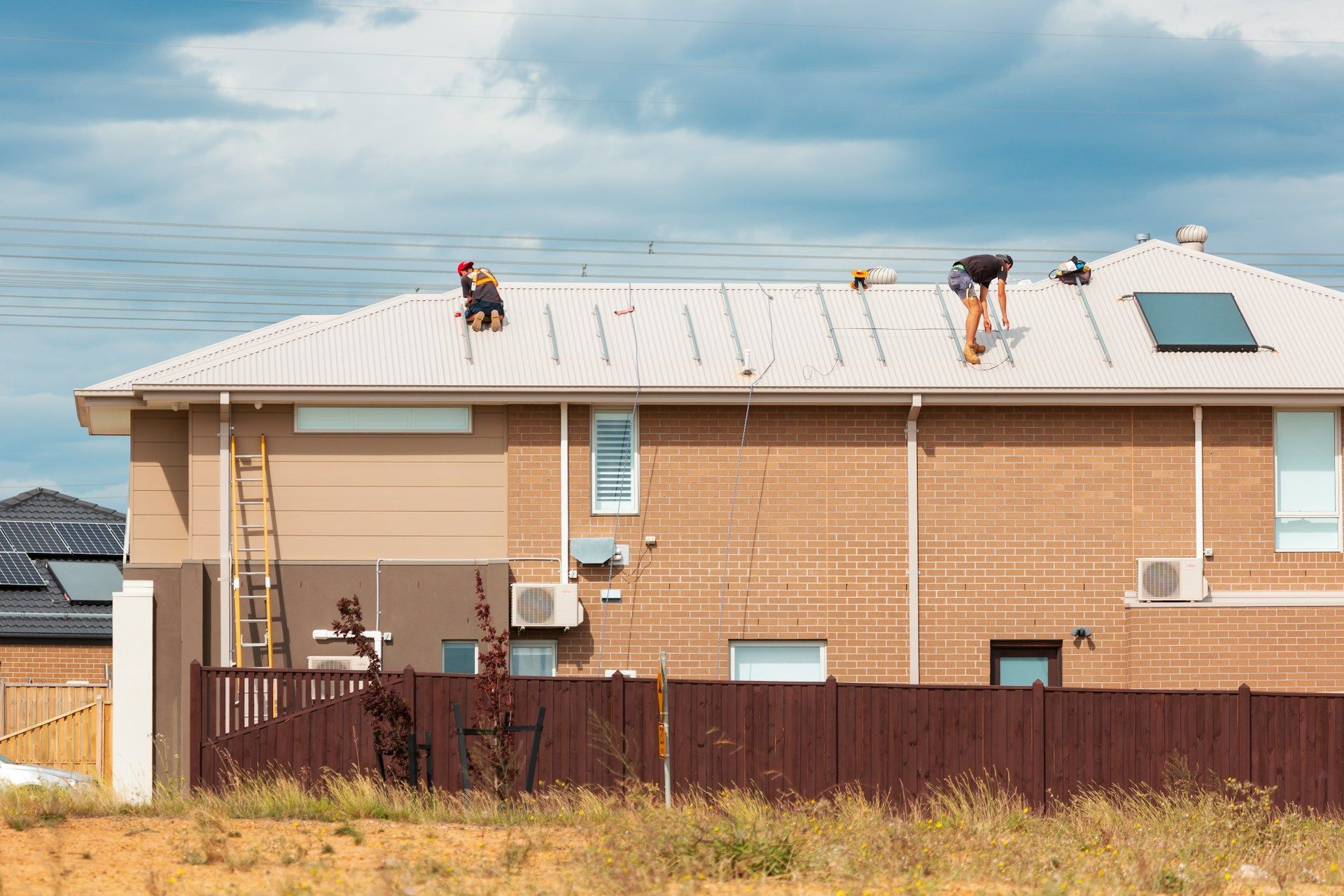
During an emergency visit, we begin by assessing the active leak and looking for related roof damage. That includes checking roof materials, drainage conditions, debris buildup, and vulnerable areas such as flashing, vents, skylights, valleys, chimneys, and roof edges.
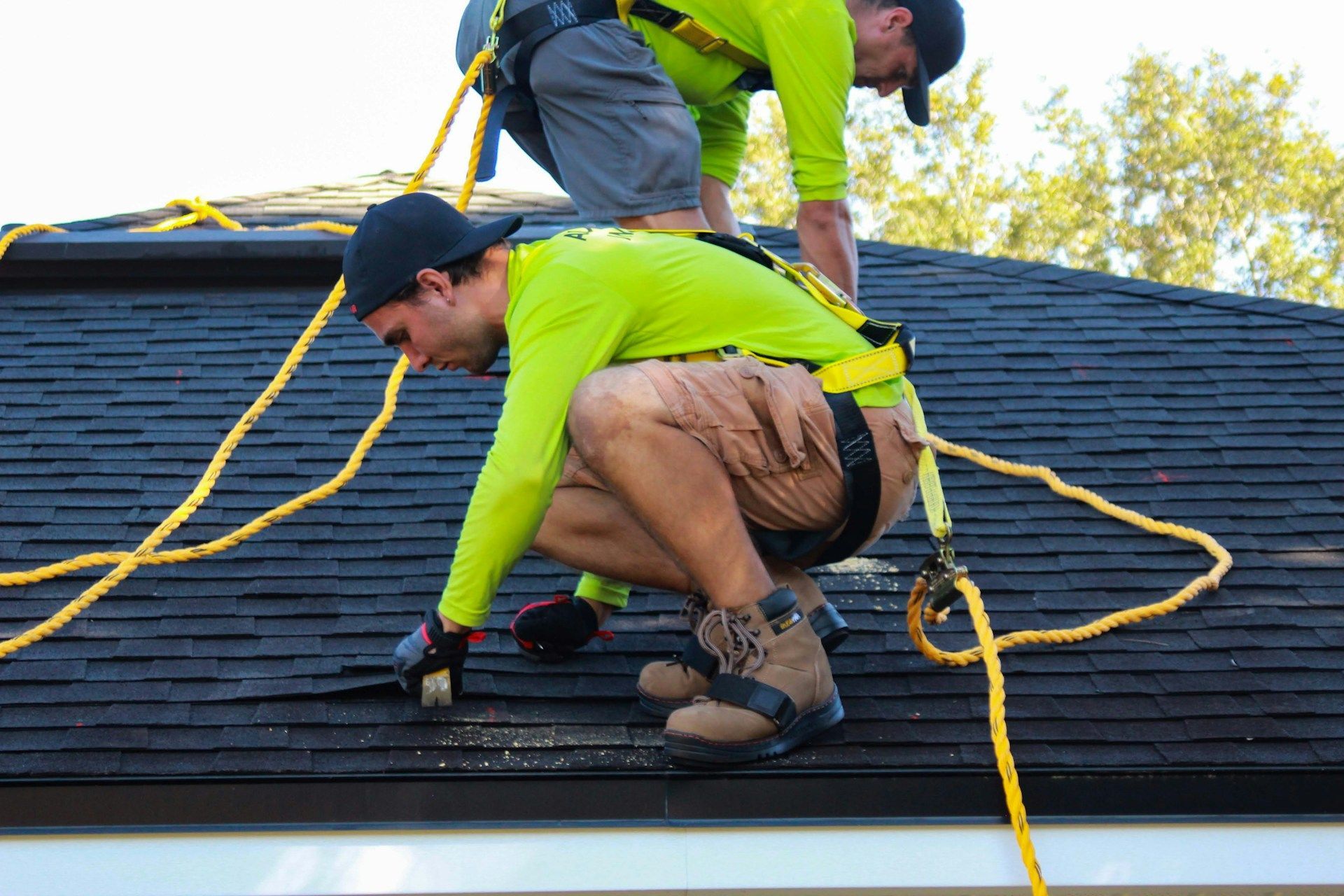
If immediate protection is needed, we may install temporary measures to reduce water entry. Depending on the situation, that can involve tarping, securing loose materials, covering exposed decking, or addressing damage caused by debris. The goal is to protect the property from additional rain while we determine the right long-term solution.
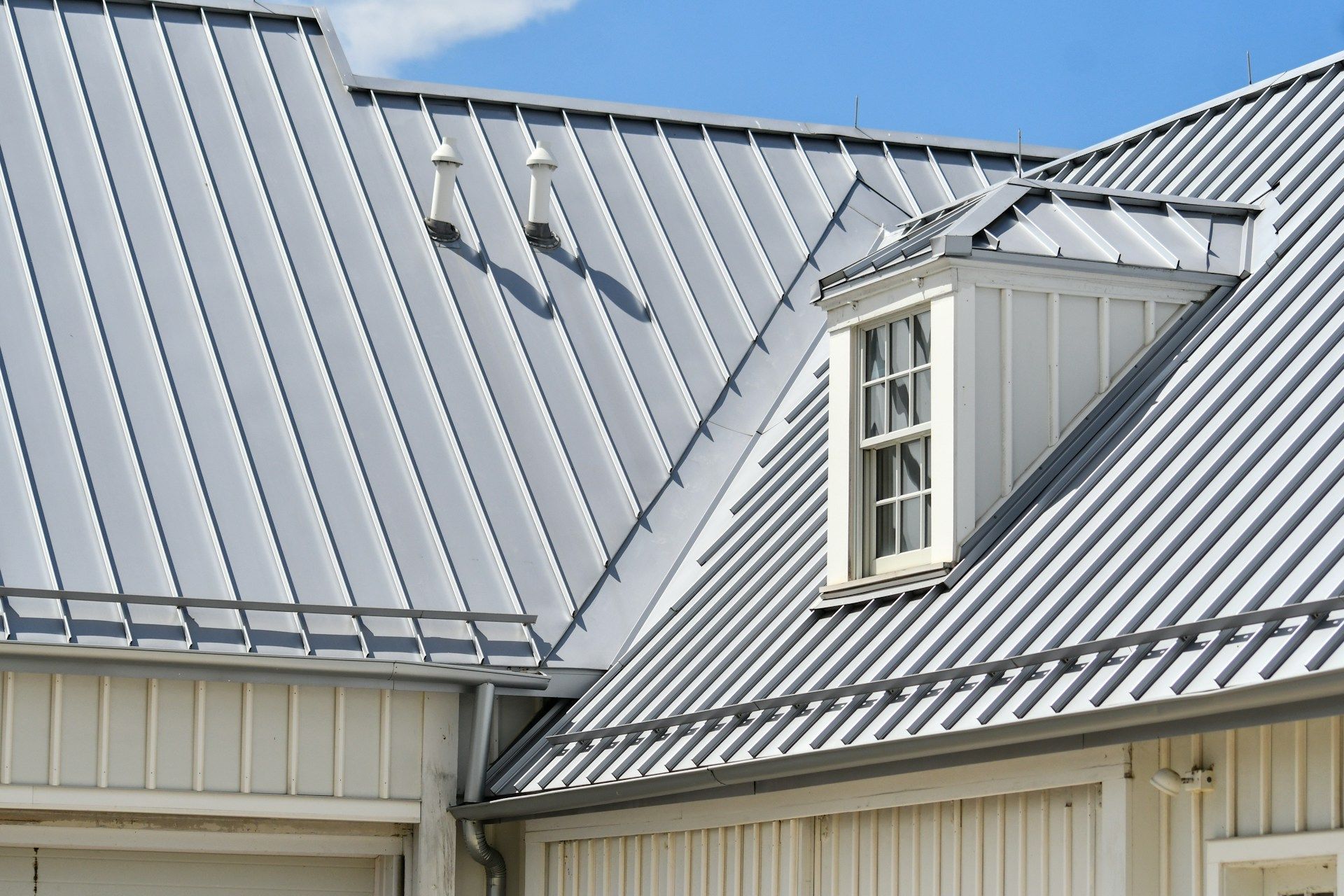
After stabilization, we explain what we found and recommend the next steps based on the roof’s condition. Permanent work may include targeted repairs, replacement shingles or metal panels, flashing repairs, replacement of water-damaged decking, or a full roof replacement when damage is more widespread.
Storm damage documentation can also be useful when you are working with an insurance provider. Keep photos of interior and exterior damage, notes about when the leak began, repair records, and receipts related to the emergency response.
Protect Your Property with Fast Roofing Support
A leaking roof is a property-protection issue, not something to ignore until the next storm makes it worse. Prompt emergency roof repair can slow water intrusion, protect interior finishes and equipment, and reduce the chance that moisture spreads into concealed areas.
The practical takeaway is simple: protect people first, keep water away from valuable items and electrical hazards, document what you can safely see, and have the roof inspected as soon as possible. Early action gives a small leak less time to become a much larger repair.
Fast Help to Limit Roof Damage
At 5 Stars Roofing, we respond promptly to help protect your property after storm-related damage. Our
emergency roof repair services address active issues and help prevent additional exposure to the elements.
Contact us to request an assessment from our experienced roofing team.