How Granule Loss Affects Asphalt Shingle Performance Over Time
Asphalt shingle granule loss can seem like a small detail, especially when you only notice a few gritty pieces in a gutter. Those tiny mineral granules do important work, though. They protect the shingle surface from sunlight and everyday weather exposure, so paying attention to changes can help you spot roof wear before it grows into a larger concern.
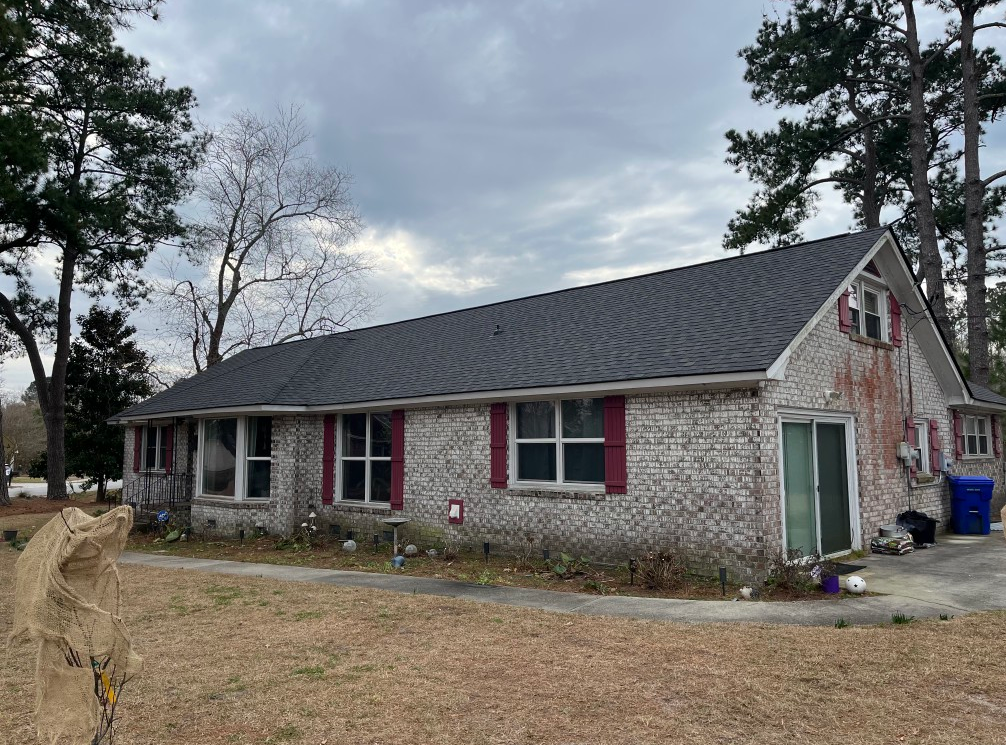
Across South Carolina, roofs face long periods of sun, heavy rain, humidity, tropical systems, and windblown debris. As fall approaches, we encourage you to look for granules near downspouts, in gutters, and around the foundation. A few loose granules are not always a problem, but persistent or increasing asphalt shingle granule loss deserves a closer look.
What Shingle Granules Do for Your Roof
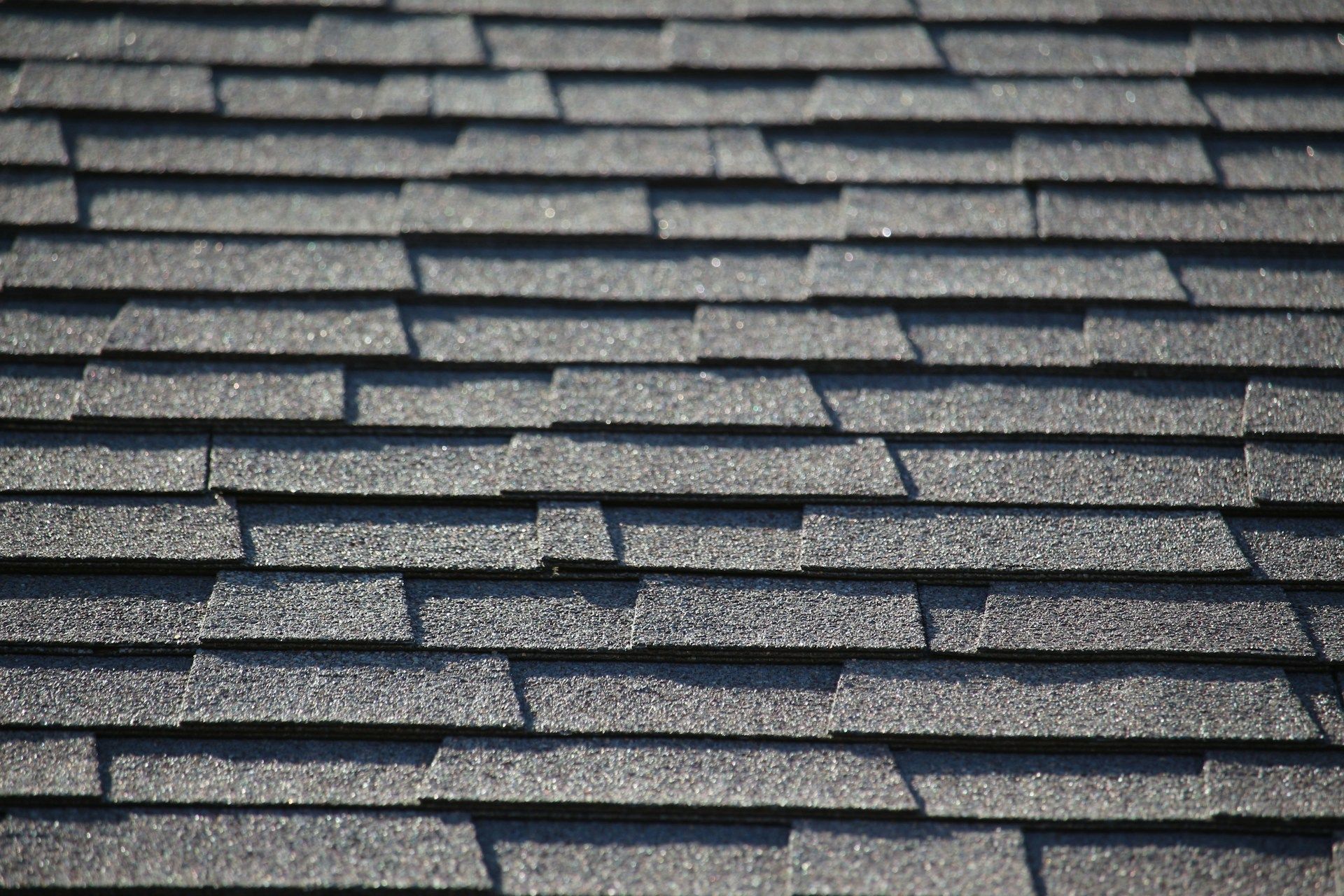
The textured coating on an asphalt shingle is made of mineral granules. Besides giving shingles their color and finished appearance, these granules shield the asphalt layer underneath from direct ultraviolet exposure.
When shingles lose too much of that coverage, the exposed asphalt can absorb more heat. Over time, added sun exposure may cause the material to wear faster, dry out, and become less flexible. That is why granules are more than a cosmetic feature. They are part of the shingle’s protective surface.
Granules also help shingles handle normal outdoor conditions, including rain, wind, and temperature changes. A roof does not need to look brand-new to perform well, but broad areas of worn coverage can make shingles less able to do their job as intended.
Uneven granule loss can affect the look of your property, too. You may notice darker areas, faded sections, or shingles that appear patchy compared with the rest of the roof. For homes, that can take away from curb appeal. For commercial and industrial properties, a worn roof can create an unkempt appearance.
Common Causes of Asphalt Shingle Granule Loss
Some granule loss is normal. New asphalt shingles may release a small amount of extra granules after installation because loose material can remain from the manufacturing process. What concerns us more is a noticeable buildup that continues over time or appears suddenly after a weather event.
As shingles age, the bond holding their granules in place can weaken. Sun exposure, repeated rain, and years of outdoor wear all affect the shingle surface. By the time a roof approaches the later part of its service life, granule loss may become more visible.
Weather can speed up the process. We often see roof surfaces affected by conditions such as:
- Strong winds that lift or stress shingle edges
- Hail that strikes and damages the shingle surface
- Heavy rain that exposes existing wear
- Falling branches or rubbing debris
- Repeated heat exposure from long sunny days
Certain maintenance habits can also cause unnecessary damage. Foot traffic may scuff shingles, especially when a roof is already weathered. Improper cleaning can be just as harmful. Pressure washing and abrasive debris removal methods can strip granules from asphalt shingles and shorten the life of the roofing material. We recommend leaving roof inspections, cleaning decisions, and maintenance work to qualified roofing professionals.
How Granule Loss Changes Roof Performance
As granules disappear, more of the asphalt layer is left exposed to direct sunlight. That exposure can gradually make shingles dry, brittle, and less flexible. A flexible shingle is better able to handle normal movement and weather changes, while a brittle one may be more likely to crack or break.
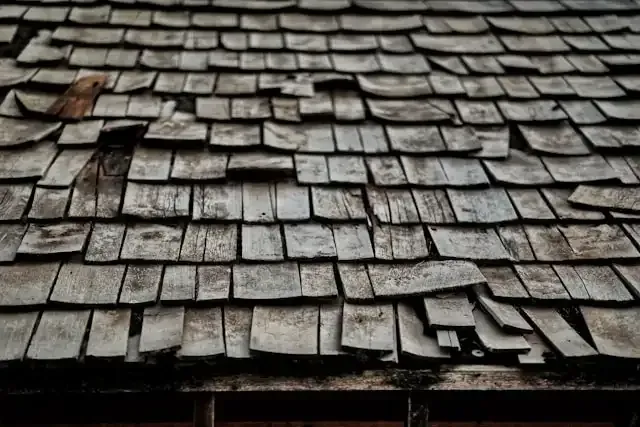
Over time, a worn shingle surface can lead to visible problems, including curling edges, surface blistering, cracks, and bare-looking spots. Wind can also become a bigger concern when shingles are weakened or damaged. The roof may no longer have the same level of protection it had when the granule coverage was intact.
Still, granule loss does not always mean your roof is leaking right now. A small amount of loss may be limited to a few shingles or reflect ordinary aging. The concern grows when you see widespread bare areas, dark exposed asphalt, or a large amount of granules collecting below the roofline.
Waiting for a leak is rarely the best way to judge roof condition. By the time water enters the property, the issue may have moved beyond the shingle surface. A professional evaluation can help identify whether the roof needs a targeted repair, storm damage review, or a longer-term replacement plan.
Signs Your Roof Needs Professional Attention
You do not need to climb onto the roof to notice possible granule loss. Ground-level observations can reveal useful warning signs, especially after a period of severe weather. Gutters and downspouts are often the first places where loosened granules collect.
Keep an eye out for:
- Heavy amounts of gritty material in gutters or at downspout exits
- Bald spots or dark areas on shingles
- Uneven color across roof sections
- Cracked, curled, or visibly worn shingles
- Branches, storm debris, or shingle pieces on the ground
September falls during the Atlantic hurricane season, so it is a smart time to assess the roof after high winds, tropical weather, hail, or falling tree debris. We also recommend professional inspections when a roof has been through repeated storms, even if there is no obvious leak inside the property.
During an assessment, we can look at the condition of the shingles, the pattern of granule loss, and other visible signs of wear. This helps us determine whether the concern appears isolated, related to storm damage, or connected to broader roof aging.
Protecting Your Property as Granules Wear Away
Monitoring asphalt shingle granule loss gives you a chance to address roof concerns before they become more extensive. Keep gutters clear so you can notice unusual buildup, document changes you see from the ground, and pay close attention after severe weather. A roof assessment can provide a clearer picture of what is happening above your home, business, or facility.
Granule loss may start quietly, but widespread wear can affect both roof performance and appearance over time. Taking note of bare spots, changing shingle color, and debris after storms helps you make informed decisions before water intrusion or more serious shingle damage develops.
Protect Your Roof With Timely Professional Care
At 5 Stars Roofing, we assess shingle conditions and recommend practical solutions based on your roof’s current needs. Get professional help with a
roof inspection before minor surface wear affects the protection beneath. To discuss your roofing concerns or request an inspection,
contact us today.