Keep Winter Rains Away From Valuable Inventory
Commercial roof repair can help protect your inventory before late-fall and winter rains find their way inside. In South Carolina, repeated rainstorms can turn a small roof weakness into a wet storage room, damaged packaging, or an interrupted workday. We know that even a slow leak can put products, equipment, records, and employee work areas at risk.
The loss is rarely limited to the items that get wet. Merchandise may no longer be sellable, materials may need to be replaced, and cleanup can delay shipments or projects during the busy holiday and year-end season. By finding roof concerns early, we can help you avoid preventable downtime, surprise repairs, and complicated damage claims.
Spot Trouble Before a Leak Spreads
A commercial roof leak does not always show up as a drip above a shelf. Water can move through roofing layers, insulation, decking, walls, and ceiling systems before it becomes visible indoors. When a stain finally appears above inventory, the source of the problem may be several feet away, and the affected roof area may already need attention.
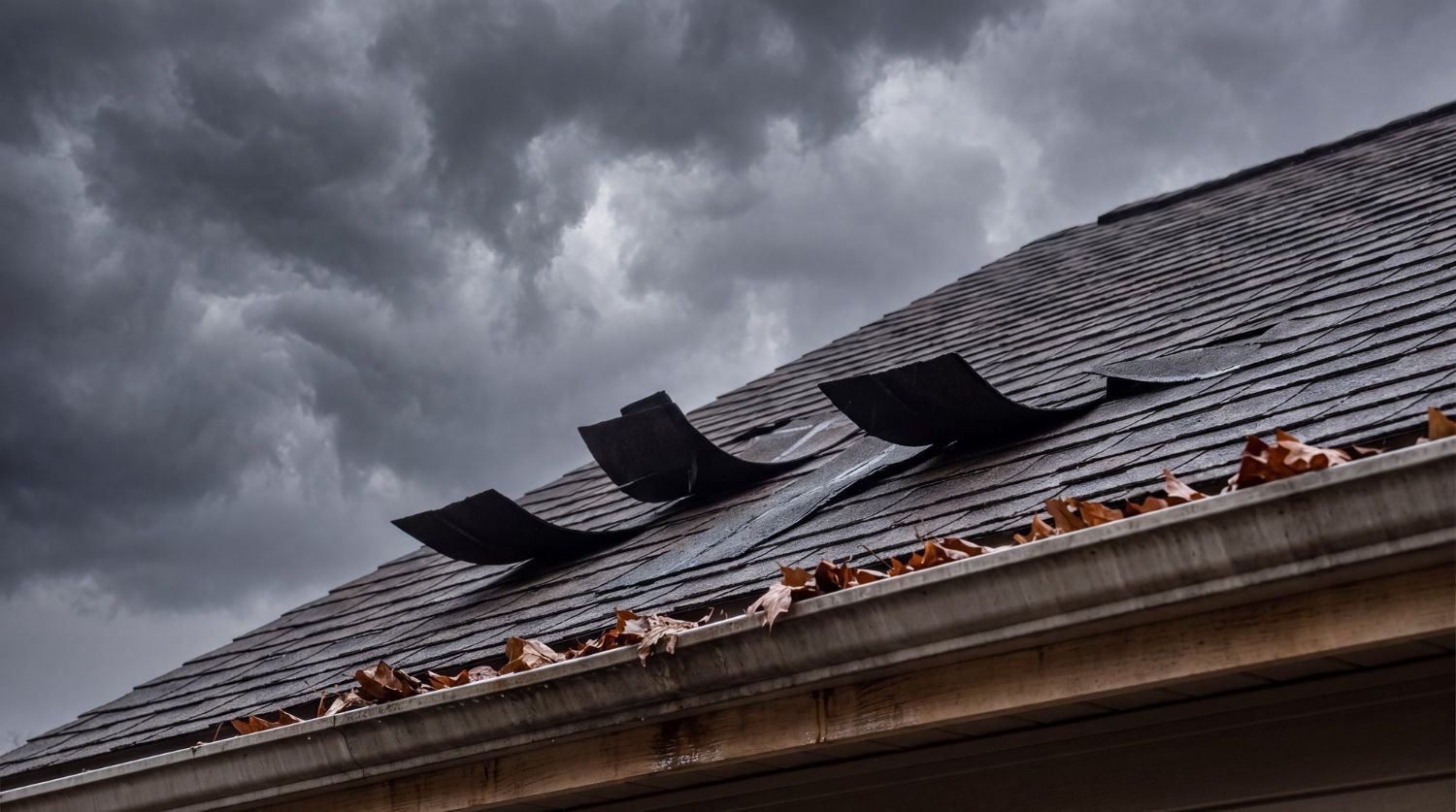
During inspections, we often look for signs that moisture is getting into the roof system, including:
- Ceiling stains, damp spots, or peeling paint
- Musty odors near storage rooms or upper walls
- Blistered roofing materials or damaged membrane sections
- Ponding water that remains after rain
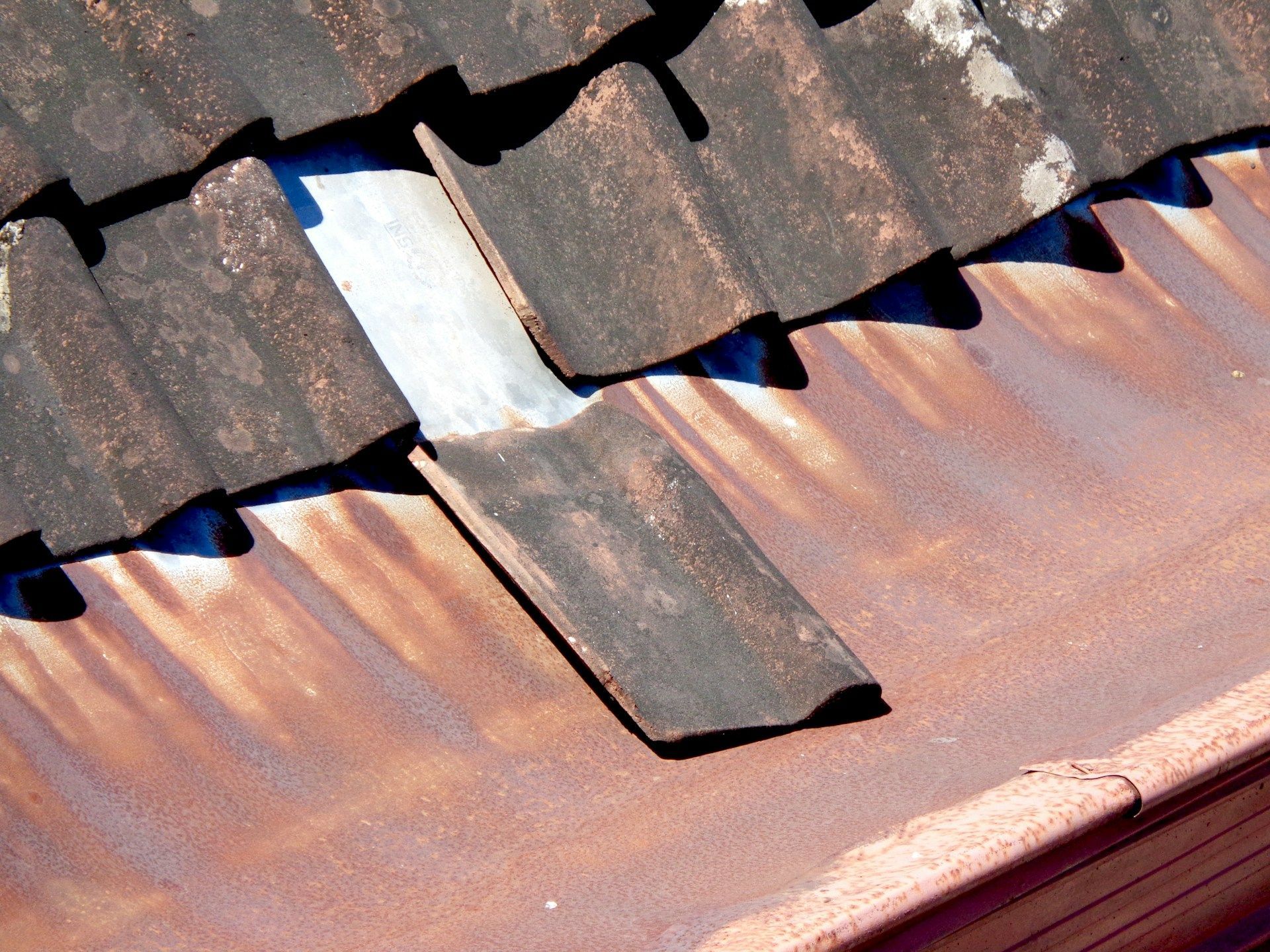
- Rust around rooftop equipment, fasteners, or metal components
Some roof areas deserve extra attention because they have more seams, openings, and drainage demands. Drains and scuppers can clog with leaves and debris. HVAC curbs, skylights, vents, and other roof penetrations can develop failed seals. Loose flashing around parapet walls or transitions between roof sections may also allow rainwater inside.
We recommend having vulnerable areas assessed before the rainy season becomes more consistent, then checking the building after heavy rainfall. Early action gives you more control over the repair schedule. Instead of managing an active leak while moving inventory out of harm’s way, you can address smaller concerns before they interrupt the workday.
Stop Water at the Source with Commercial Roof Repair
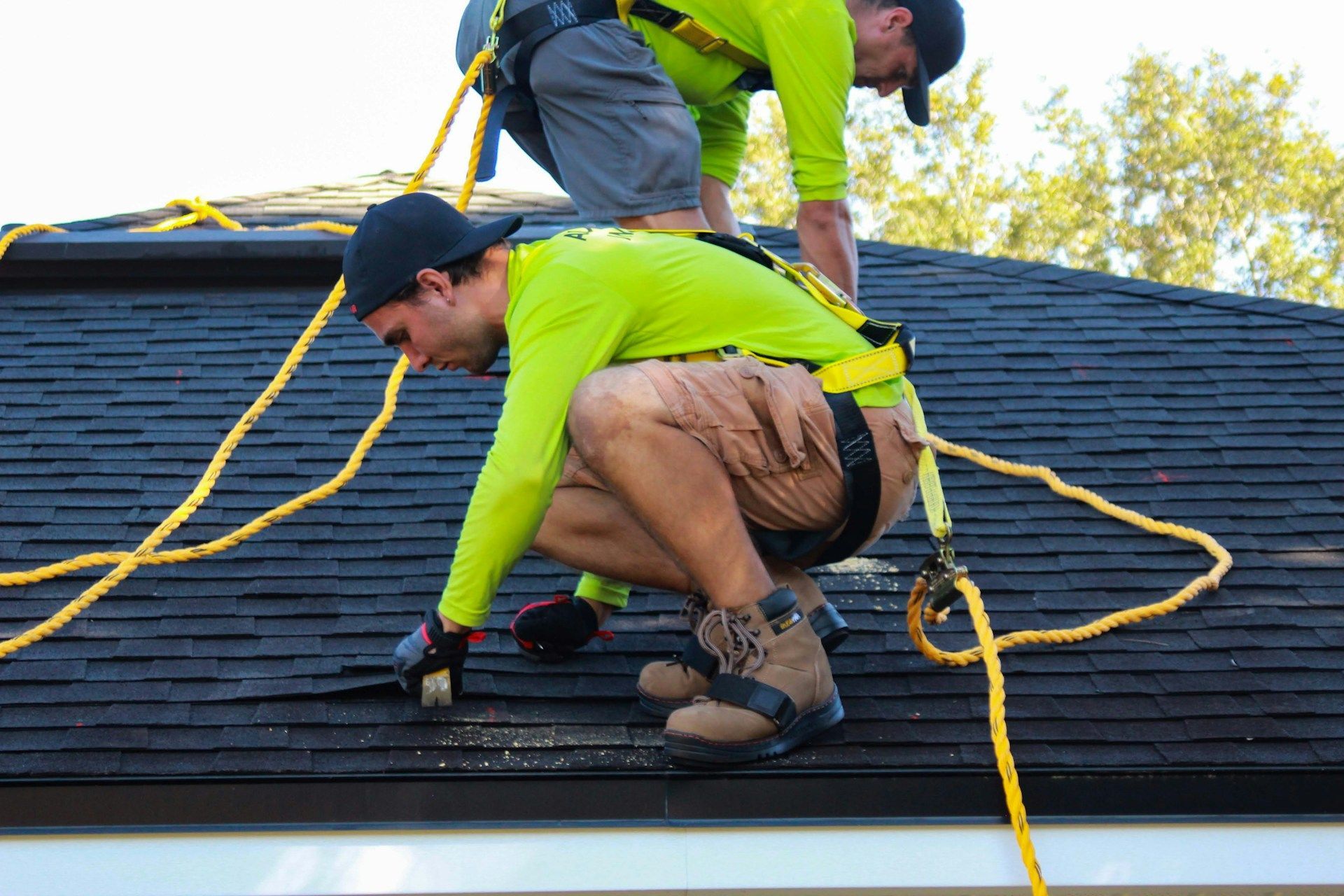
Interior cleanup matters, but it does not solve the reason water entered the building. Commercial roof repair focuses on locating the source of intrusion and correcting the materials or details that are no longer keeping water out. Our team can inspect the roof system, look for hidden moisture, and recommend repairs that fit the roof’s condition and material type.
Depending on what we find, repairs may involve:
- Resealing seams and roof penetrations
- Replacing loose or damaged flashing
- Repairing punctures and worn membrane areas
- Correcting drainage concerns around drains and low spots
- Addressing loose fasteners, rusted sections, or failed sealants on metal roofs
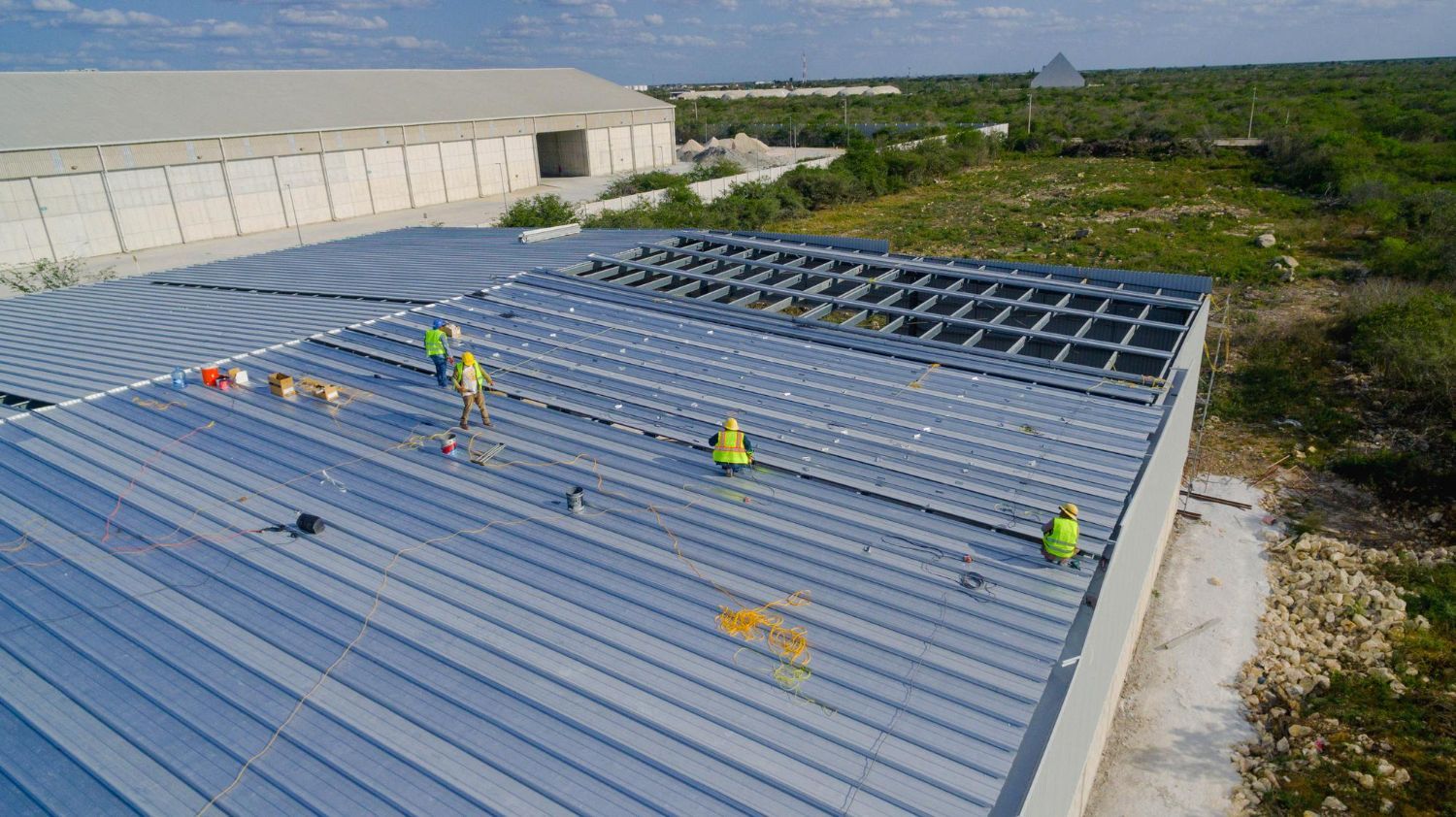
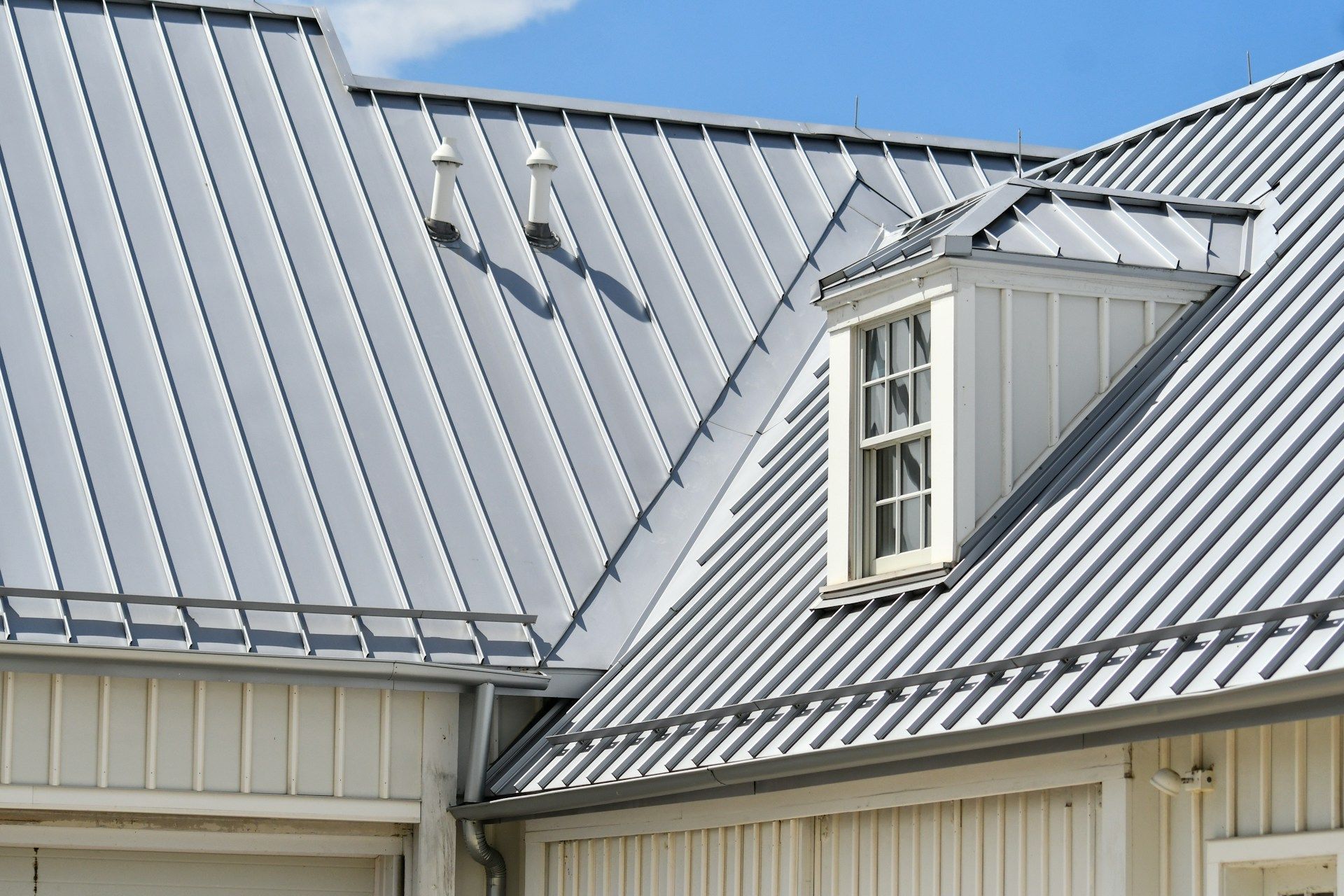
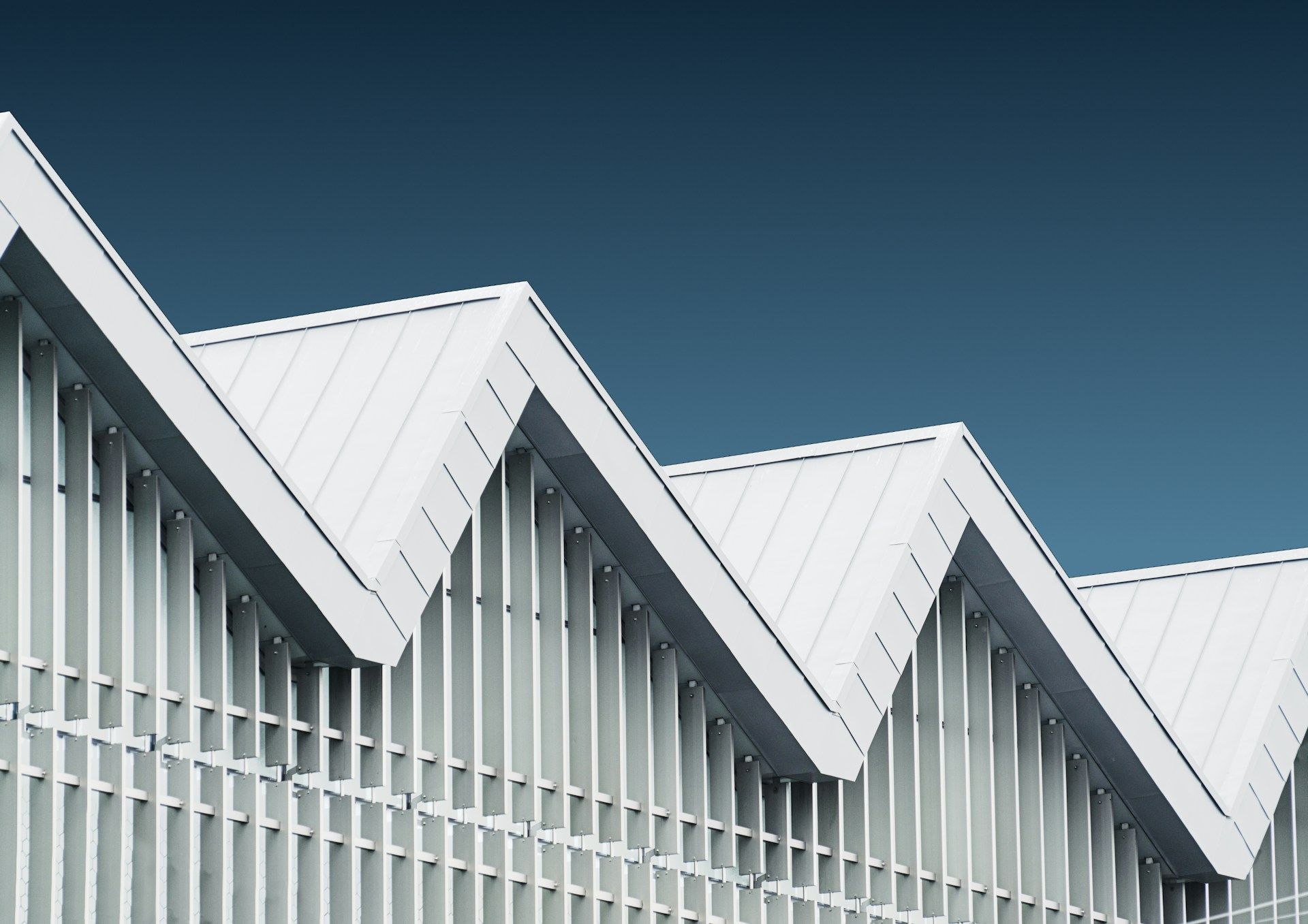
Flat and low-slope roofs need close attention at seams, drains, and areas where water collects. Standing water can place added stress on roofing materials and reveal weak points over time. Metal roofing systems have their own trouble spots, such as loose fasteners, aging sealant, panel damage, and rusted areas around openings.
A watertight roof helps keep moisture out of warehouses, stockrooms, production spaces, retail areas, and loading zones. That means less risk of stained products, warped boxes, mold concerns, contamination, and disposal headaches. Timely repairs can also help extend the useful life of an existing roof instead of allowing a smaller issue to grow into a larger replacement project.
Protect Equipment and Daily Operations During Storms
Inventory is often the first concern, but a roof leak can affect nearly every part of a commercial facility. Water near electrical systems, computers, machinery, shelving, insulation, flooring, or ceiling tiles can create a larger disruption than the original leak. In industrial settings, moisture near production equipment may also create safety concerns that require an area to be closed off.
When rain keeps returning, a business may have to relocate stock, pause work, delay shipments, or block access to customer-facing spaces. Those interruptions can affect deadlines and customer confidence, especially during a season when many businesses are already managing holiday demand and year-end tasks.
A planned repair approach can lower the chance that you are searching for emergency help during widespread storm damage. Along with roof repairs, we encourage facility teams to maintain a simple interior response plan. Staff should know which areas hold sensitive inventory, where leaks have appeared in the past, and how to safely move products if water enters the building.
Clear roof access also helps roofing professionals respond efficiently when an issue is found. Keeping rooftop drains, access points, and equipment areas free from unnecessary clutter makes inspections and repairs more straightforward while helping your team document roof conditions over time.
Build a Winter Roof Plan That Reduces Risk
November is a smart time to review your commercial roof before regular winter rain patterns expose existing weaknesses. A professional inspection can identify active leaks, aging materials, storm-related damage, drainage problems, and areas that may struggle with repeated moisture.
For ongoing protection, we recommend keeping a maintenance checklist that includes:
- Clearing debris from drains, gutters, and scuppers
- Checking around rooftop units, vents, and other penetrations
- Watching interior ceilings and upper walls for changes
- Recording roof conditions after major storms
- Giving priority to roof areas above inventory and equipment
Older roofs and large low-slope roof systems often need closer monitoring because small changes can affect a wide area. Roof sections above storage rooms, server rooms, production equipment, retail displays, and loading areas should receive prompt attention. Focusing on those spaces first can limit the chance that a minor roof issue turns into a major inventory loss.
Working with experienced commercial roofing professionals also allows repairs to be planned around operating hours and weather conditions. A clear maintenance record can make it easier to track recurring issues and make informed decisions about future roof care.
A well-maintained roof gives your business a stronger first line of defense when seasonal rains arrive. Addressing weak seams, drainage concerns, and damaged materials before water reaches the building helps protect stock, equipment, employees, and the work that keeps your operation moving.
Protect Your Inventory Before the Next Storm
At 5 Stars Roofing, we provide responsive assessments and lasting solutions tailored to your property’s needs. Schedule
commercial roof repair to address concerns before they disrupt your operations.
Contact us to discuss your roof and request service from our team.