Key Takeaways
- An emergency roof tarp provides temporary protection against water intrusion after storm-related roof damage.
- Quick tarping can help minimize interior damage to insulation, ceilings, equipment, and building contents while permanent repairs are arranged.
- Professional emergency roof tarp service providers can safely secure damaged areas and reduce the risk of further weather-related deterioration.
- Delaying temporary protection often leads to higher repair costs and increased property damage.
- Emergency roof tarping for commercial properties is especially important because business interruptions and inventory damage can quickly become expensive.
A damaged roof can be considerably more expensive when left unsecured after a storm. Even the smallest of gaps can allow rainwater to enter the building, causing structural damage, mould growth, ruined interiors and costly repairs. Permanent roofing work can take days or even weeks to get scheduled, but immediate protection is important. That is why emergency roof tarping is so important, to create a temporary barrier to assist prevent more damage until permanent repairs can be made.
What Is Emergency Roof Tarping?
An emergency roof tarp is a temporary cover placed over a damaged section of a roof to keep water out until permanent repairs can be done. Professional roof tarps are produced from reinforced polyethylene material that is coated with a UV-resistant substance to make them last longer and to stand up to adverse weather. A properly installed emergency tarp may generally give you a few weeks, or possibly a few months, of safety, depending on the weather and the severity of the damage to the roof.
Storm damage seldom comes at an opportune moment. After severe weather, roofing contractors might be swamped with service calls, making it difficult to have repairs done quickly. A well-installed tarp serves as a bridge between the occurrence of damage and the ultimate restoration procedure.
After a storm, many roofing contractors have a simple philosophy: Stop the water first, fix the roof second. Tarping accomplishes that first critical step.
Why Is Immediate Tarping So Important?
It’s essential to tarp right away since roof damage tends to get worse after the storm has passed. As soon as water enters a building, the effect may be immediate.
Moisture can cause damage:
Insulation: Wet insulation cannot maintain a reasonable temperature within a building and will typically need to be replaced.
Flooring: Too much water can ruin rugs, pop up tiles, warp wood floors, and even the subfloor below.
Electrical systems: Water can damage electrical lines and components, posing a threat to people and being expensive to repair.
Furniture and tools: Water can harm office furniture, electronics, machines, and other critical instruments.
Inventory and stored objects: Water damages products, packaging, critical papers, and stored items if it comes into the building.
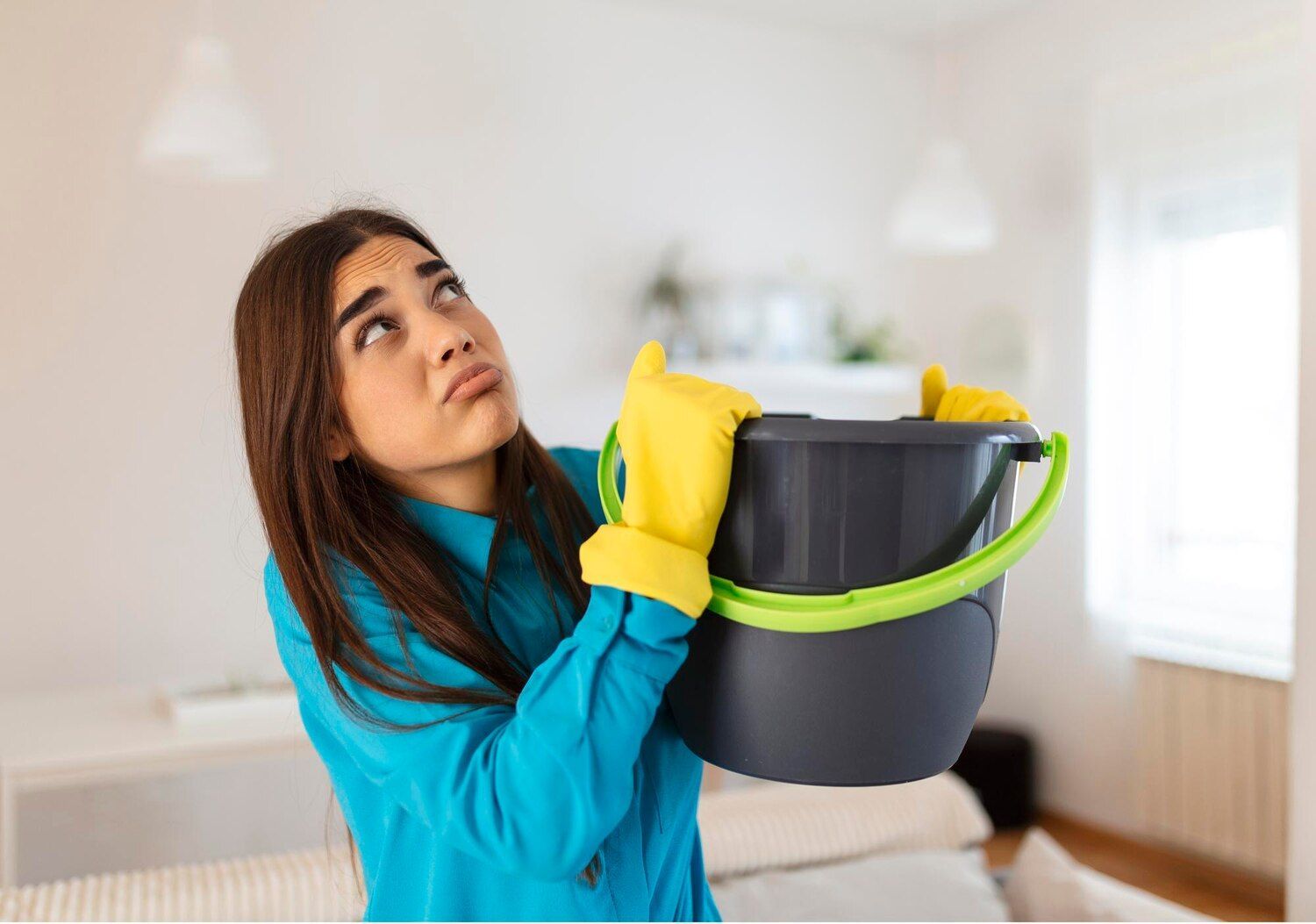
Even a small roof opening may cause a lot of harm inside if it is left open during further rain events.
For many property owners, the cost of emergency protection is often less than the expense of fixing widespread water damage.
When Should You Call an Emergency Roof Tarp Service?
If a storm has visibly damaged your roof or created a hole that exposes the interior of the structure, call an emergency roof tarping service.
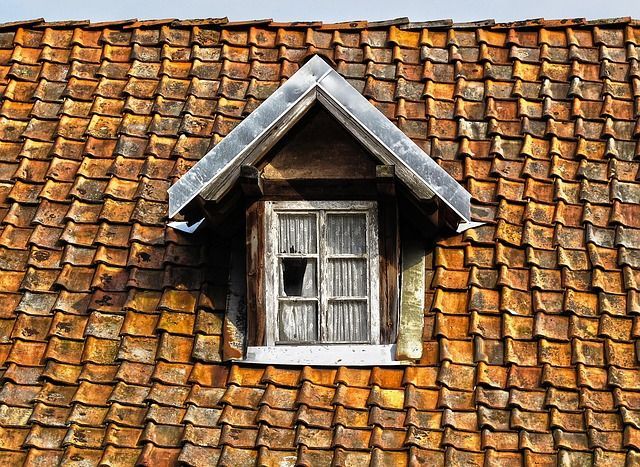
Some common problems are lost shingles, impact from falling trees, hail damage, punctured membranes, missing flashing, exposed decking, and structural damage or parts of roofs that have lifted due to high winds.
Even if the damage looks minimal from the ground, it is suggested that you get it professionally inspected. You can't see through small openings; therefore, there might be a lot of water coming in.