Key Takeaways
- Many business establishments have a flat roof, and this has the advantage of lower installation costs.
- A pitched roof helps drain, and, in some areas, can prolong the usable life of a roof. Regular care is required.
- The cost comparison of flat-roof vs pitched roof commercial buildings depends on factors such as building size, materials, maintenance requirements, and local weather conditions.
- When evaluating a commercial roofing system's longevity, lifespan, and durability, maintenance practices often have as much impact as the roof design itself.
- Choosing the right commercial roofing system requires more than comparing materials or costs. Property owners need to consider how the building will be used, the local climate, long-term maintenance requirements, energy efficiency goals, and the available budget.
If you are building a new commercial building or replacing an old roof, one of the first things you will need to do is decide between a flat and a pitched roofing system. The choices you make can affect the cost to install, the cost to maintain over time, how well the structure uses energy, and how long the facility lasts overall. Flat roofs are normally appropriate for business buildings; however, some buildings may be better suited to pitched roofs. Each has its pros and cons, so check them out before you invest.
How Does a Flat Roof Differ from a Pitched Roof?
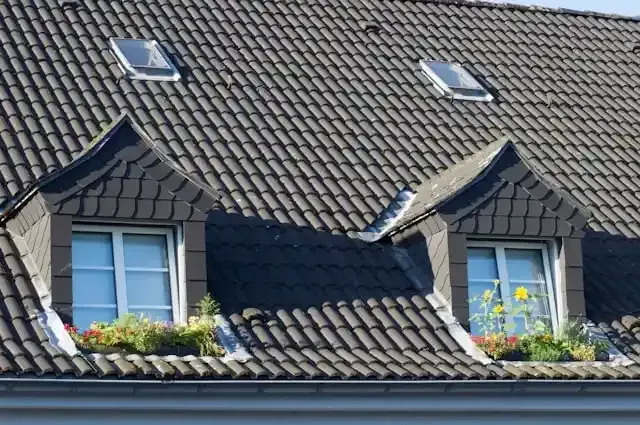
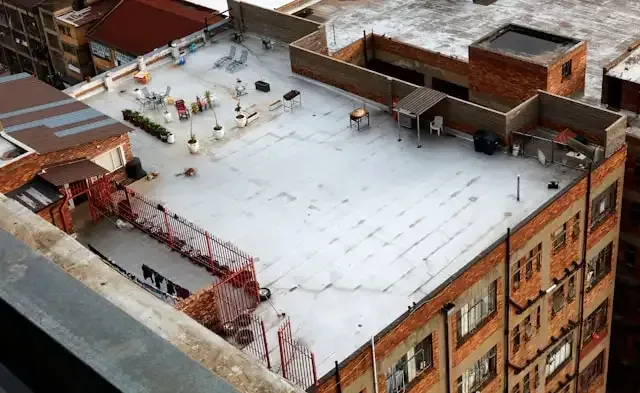
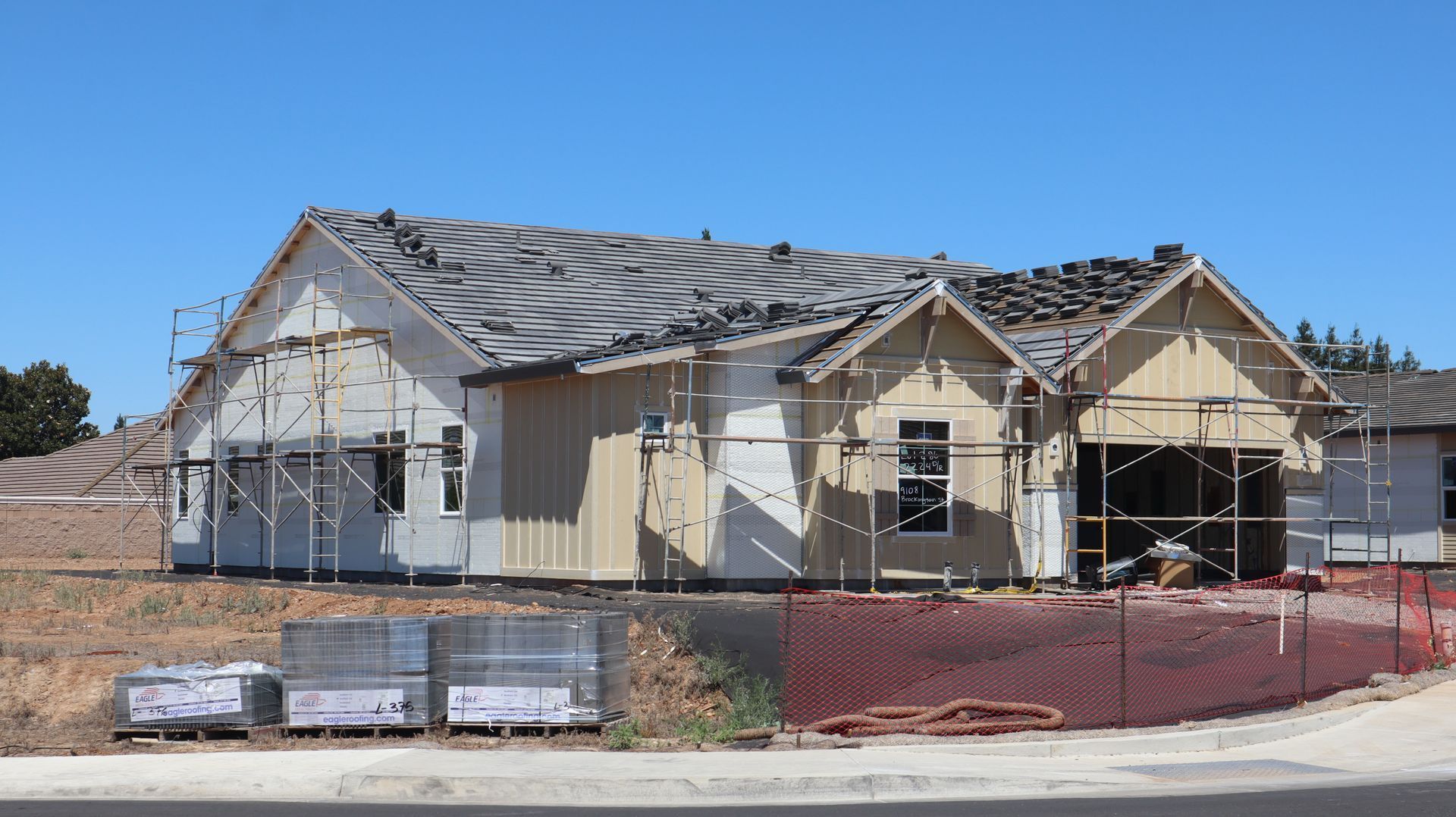
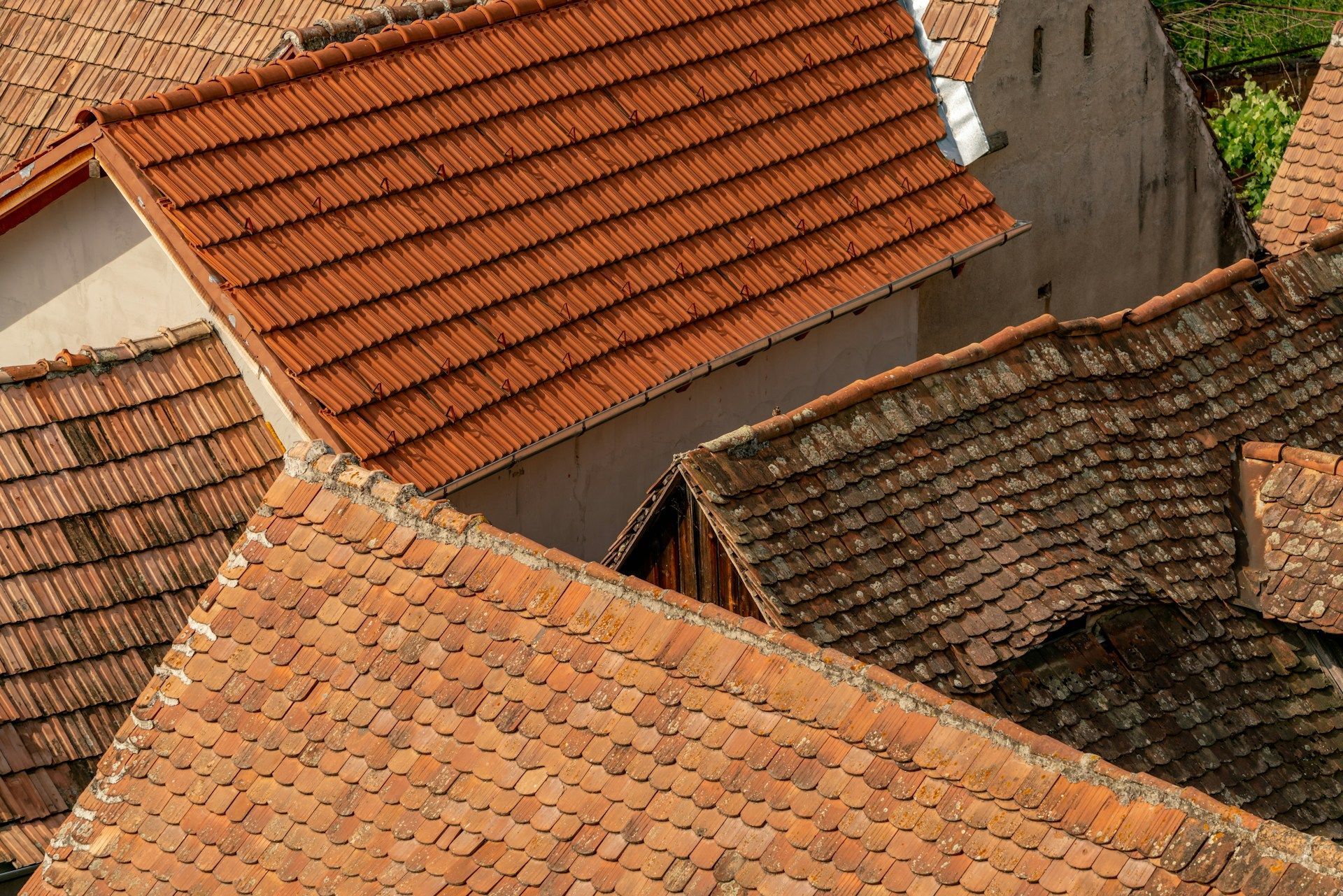
A pitched roof is different from a flat roof because of the slope of the roof. A flat roof has a slight slope, which directs water to drainage systems. A pitched roof, on the other hand, has a greater slope, which allows water to run off naturally.
This design modifies the way you maintain, drain, access, and install. Flat roofs are easier to get on for repairs, inspections, and new equipment installation, but they require constant maintenance to keep water from collecting. Pitched roofs shed water more easily and can save energy costs by allowing more air movement, but are often more difficult to build and more expensive to maintain.
Why Are Flat Roofs Popular for Commercial Buildings?
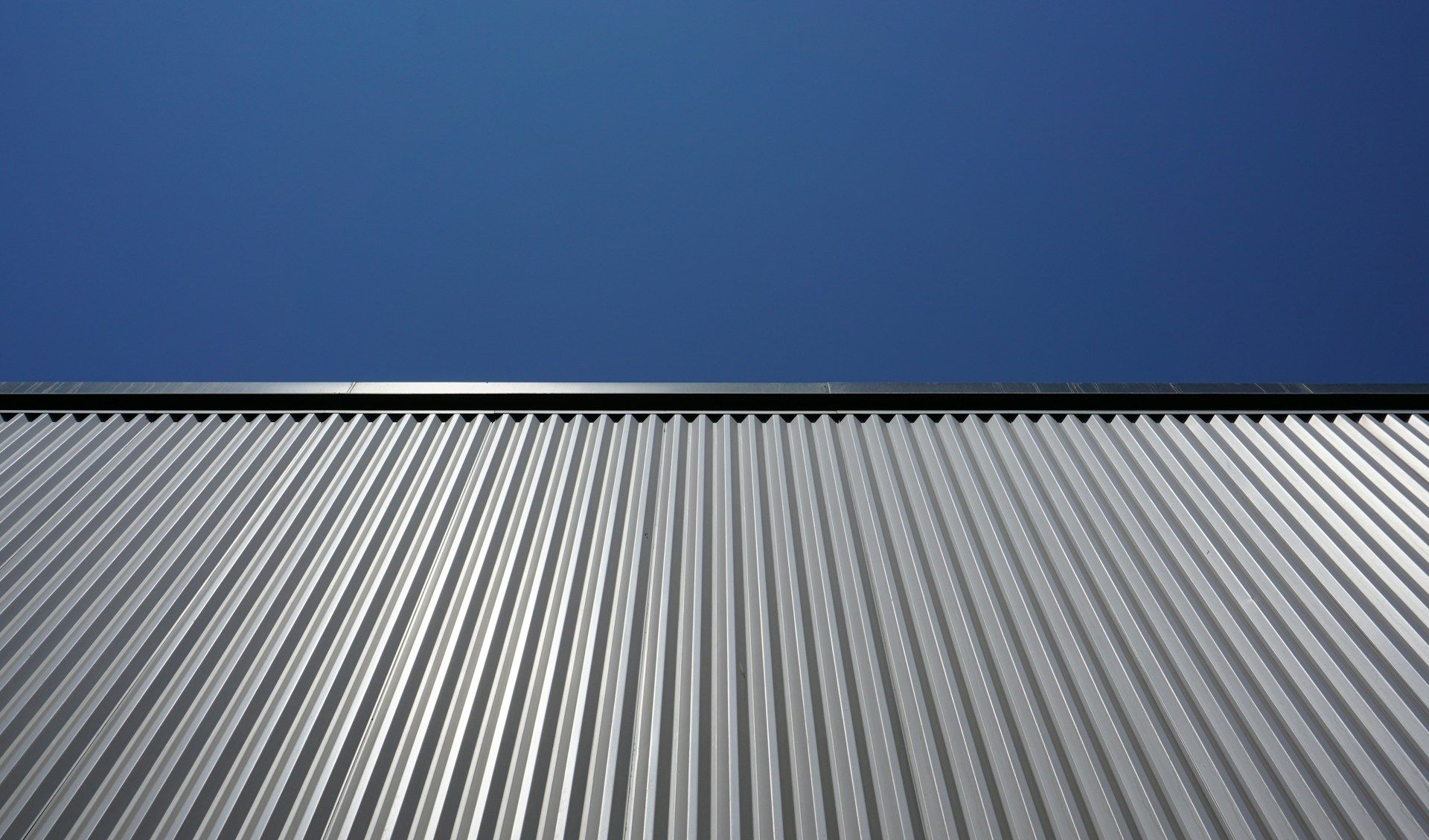
Flat roofs are a popular choice for commercial buildings because they are inexpensive to install, easy to maintain, and provide maximum usable rooftop space. These are the practical benefits that explain why flat roofing systems are used in many warehouses, office buildings, retail centres and industrial sites.
Common commercial flat roofing materials include:
TPO: This is a very energy-efficient roof and is quite common in commercial flat roofing.
EPDM: This is a long-lasting, weather-resistant roof.
PVC: This is a roof that has better durability and chemical resistance than most other types of flat roofs.
Modified Bitumen: This is a strong roof for high-traffic regions. Plus, flat rooftops are easy to access for HVAC units, solar panels, communication equipment, and maintenance needs, making them a viable, long-term investment for businesses.
What Are the Advantages of Pitched Roofs?
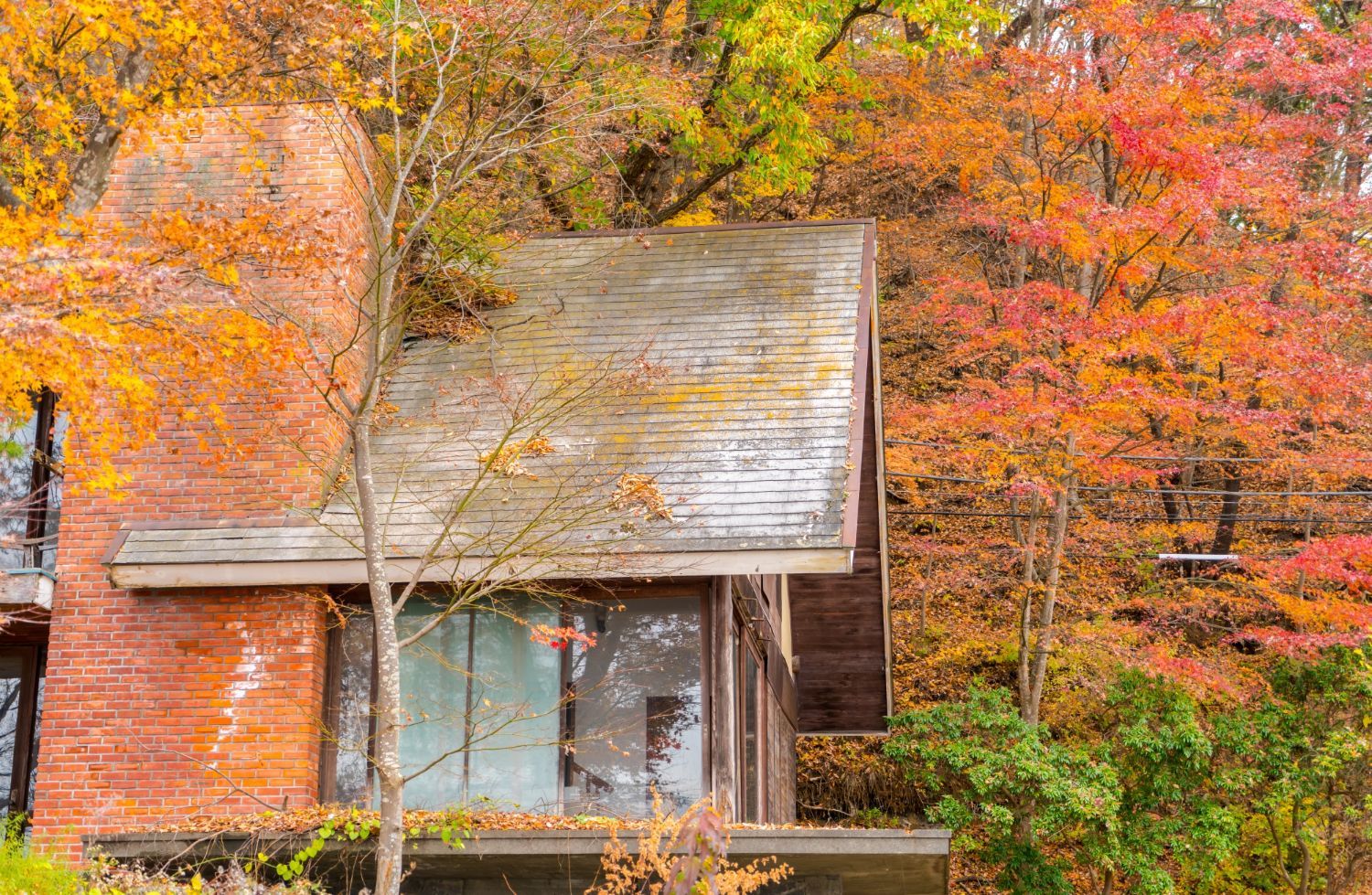
Pitched roofs drain water quite well. Rain, snow, and debris naturally drain off the roof surface; therefore, standing water is less likely to occur.
Many property owners also like the look of pitched roofs, especially for hospitality facilities, churches, schools, and certain commercial buildings.
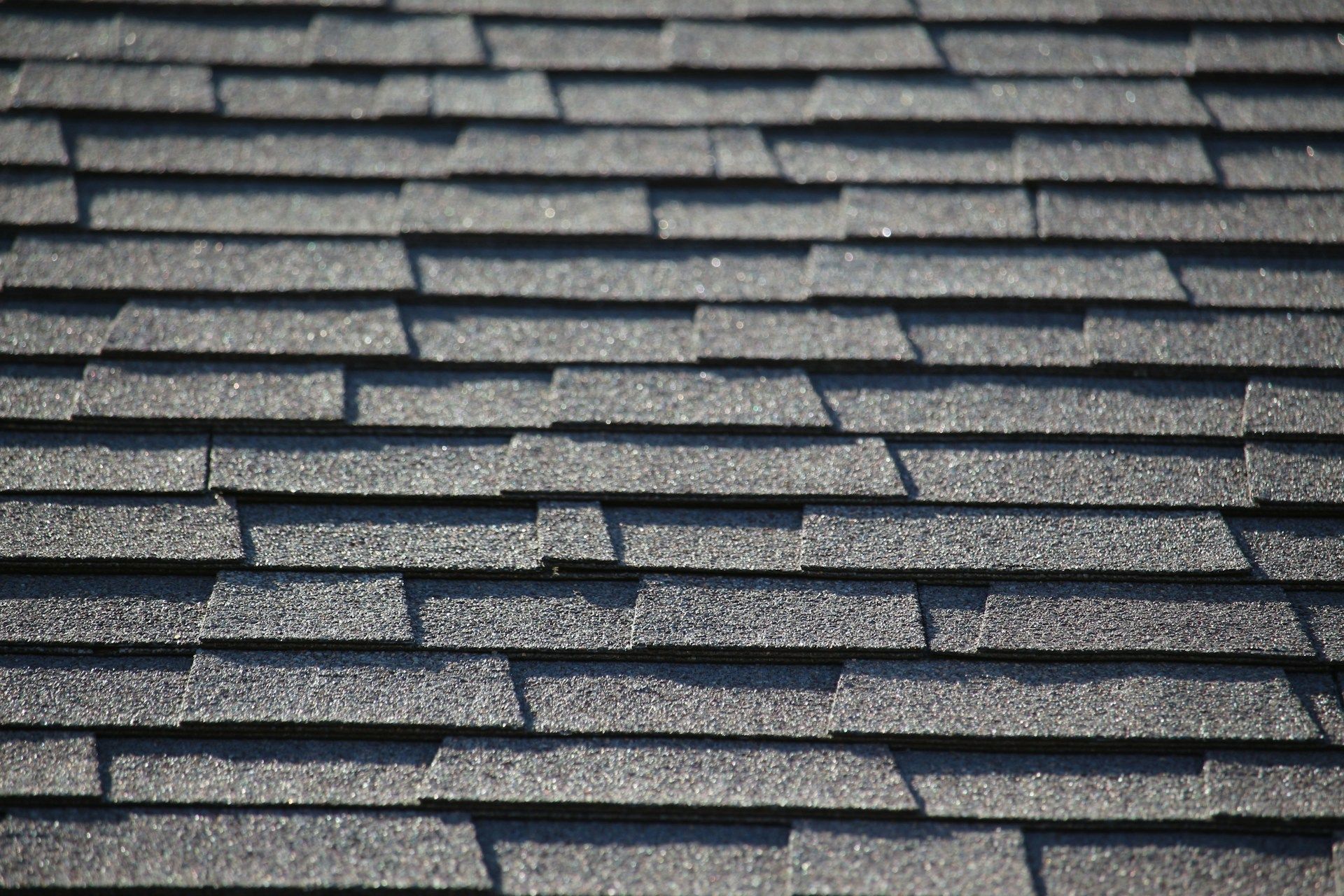
Because they provide efficient water drainage, pitched roofs often experience less moisture-related wear and can deliver a long service life with proper maintenance. Depending on the roofing material, a well-maintained pitched roof can typically last between
30 and 50 years, with some premium materials lasting even longer.
The drainage effectiveness of a pitched roof design is one of its biggest advantages where heavy rainfall is common.