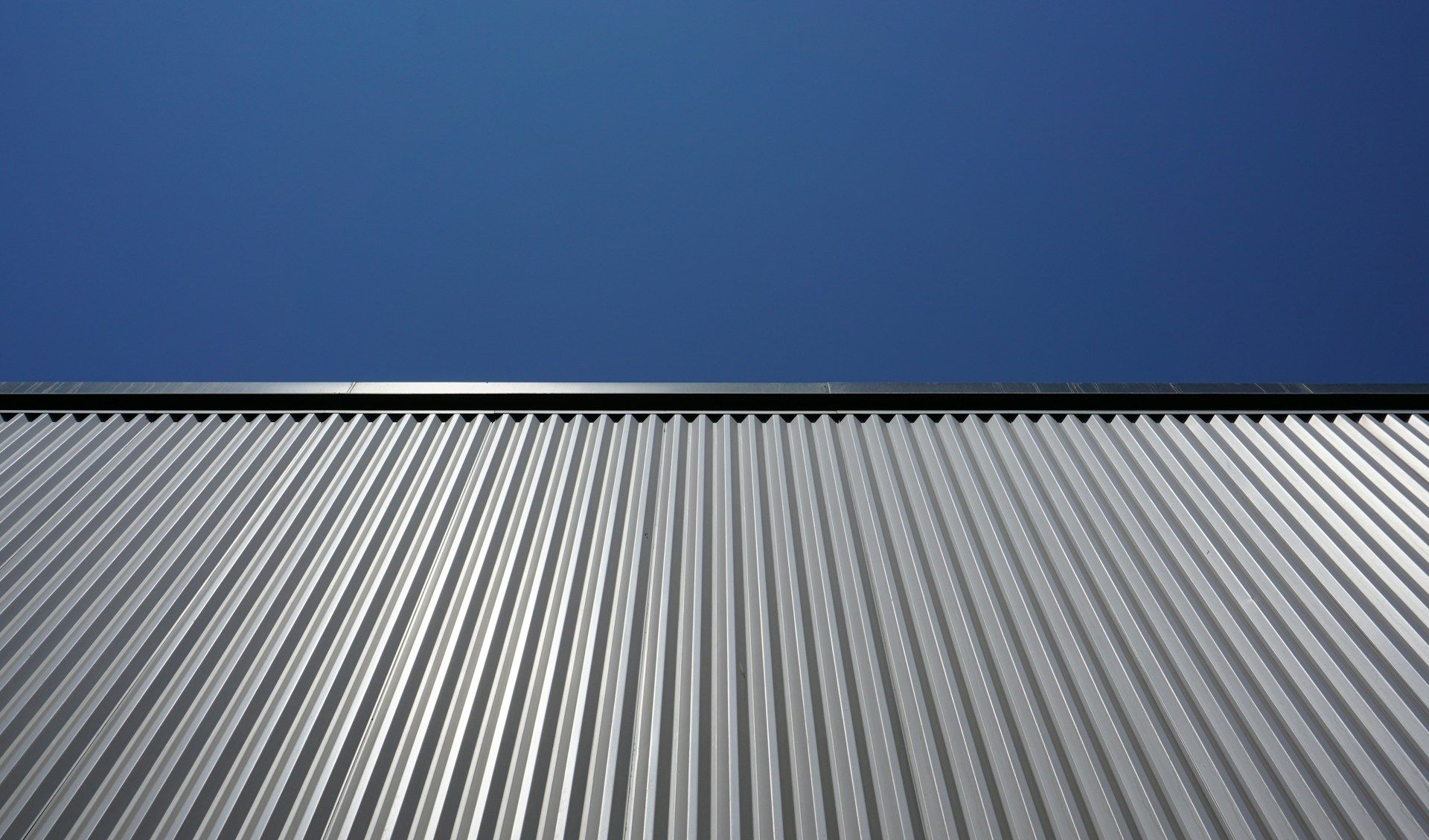
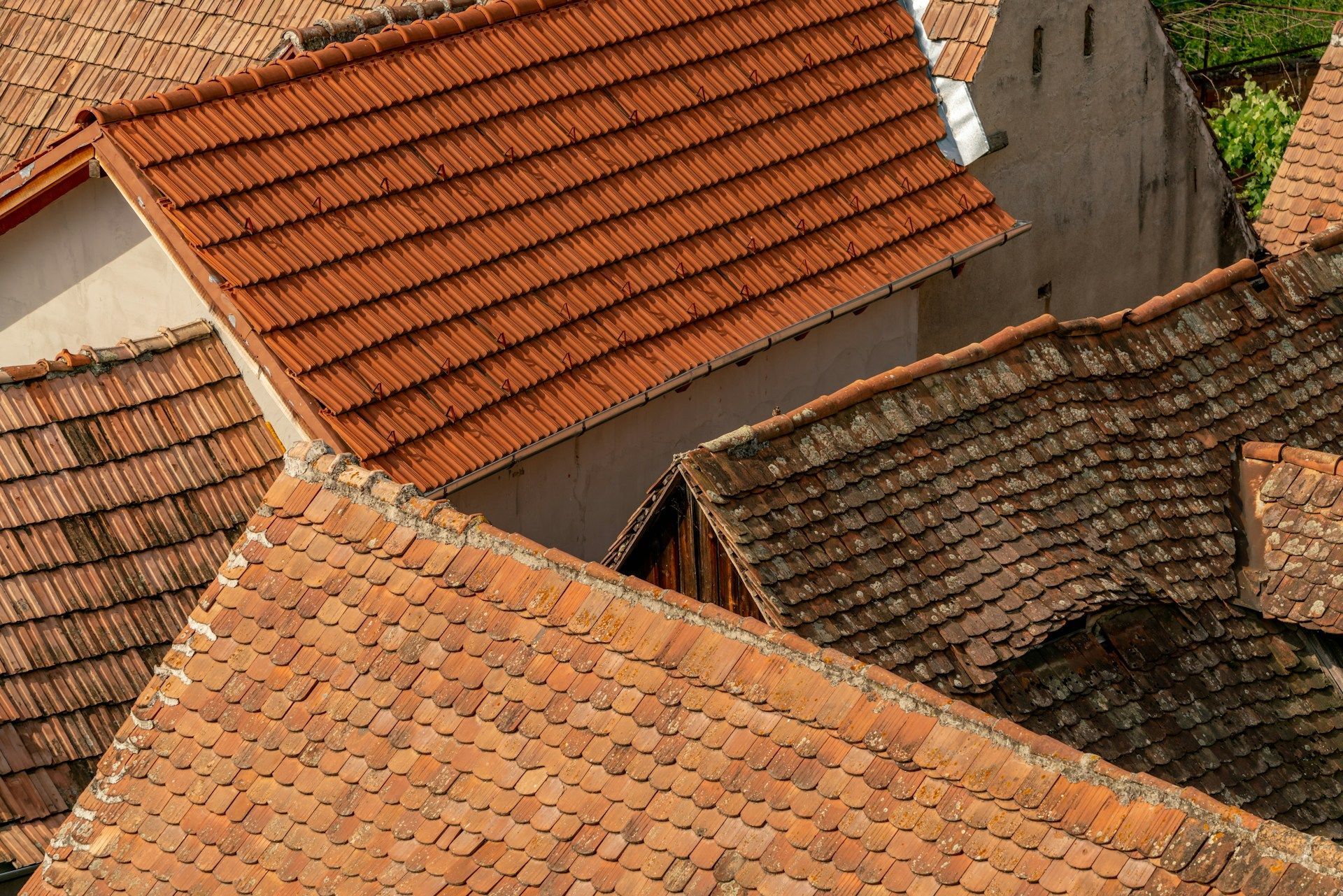
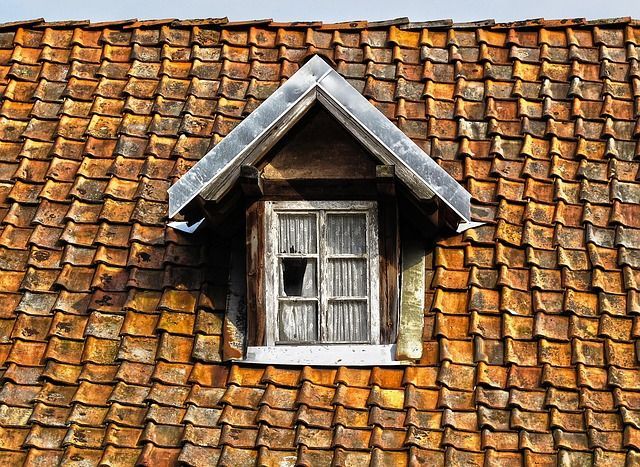
One of the most significant assets for your business is a commercial roof that protects it. It protects your building, staff, equipment, merchandise, and day-to-day activities against severe weather year-round. But many business owners ignore roof maintenance until a major leak or costly repair affects their business.
Regular business roof inspection services can spot problems early, increase the life of the roof, and prevent expensive damage to the structure. Routine inspections are crucial to ensure the long-term performance and safety of your property, regardless of whether it has a flat roof, a metal roofing system, a TPO membrane, or a modified bitumen roof.
Knowing the ins and outs of commercial roof inspections can aid business owners in safeguarding their investment and preventing unexpected roofing problems.
Why Commercial Roof Inspections Matter
Commercial roofing systems are constantly exposed to sunlight, rain, storms, wind, standing water, and temperature changes. Quality roofing materials will deteriorate over time.
Without frequent inspections, minor problems like cracks, punctures, drainage concerns, or loose flashing can rapidly become serious leaks and structural damage. Water damage can destroy insulation, ceilings, walls, electrical systems, inventory, and costly equipment.
Routine inspections help business owners to:
- Detecting roofing problems early.
- Reduce long-term repair costs.
- Extend roof lifespan
- Prevent operational disruptions
- Maintain warranty compliance
- Improve overall building safety.
For commercial properties, preventative maintenance is far more affordable than emergency roof replacement.
How Often Should a Commercial Roof Be Inspected?
Most roofing contractors recommend that business roofs be inspected at least twice a year, usually in the spring and autumn. Inspections should also be done after major storms, hurricanes, hail, or high wind events.
If you live in a location that gets a lot of rain, intense UV exposure, humidity, or frequent storms, weather conditions might hasten the deterioration of your roof. You may need to check your roof more often.
Older roofing systems, which are approaching their intended life expectancy, should be inspected regularly.
What Does a Commercial Roof Inspection Include?
A professional commercial roofing inspection checklist includes all key parts of the roofing system to find out about both apparent and hidden faults.
Roof Surface Inspection
Roofing professionals examine the surface for cracks, punctures, blisters, pooling water, damage to the membrane, loose materials, and evidence of weather-related wear.
This is especially true for commercial roofs, which tend to be flat and prone to standing water. Over time, this can weaken the roofing materials and increase the danger of leaks.
Seals and flashing
The flashing surrounding vents, skylights, HVAC systems, drains, and roof edges is carefully inspected for cracks, gaps, or degradation.
One of the most prevalent causes of commercial roof leaks is damaged flashing, since these regions are very susceptible to moisture incursion.
Drainage Systems
A commercial roof depends on efficient drainage systems. Inspectors check gutters, drains, scuppers, and downspouts to make sure water flows properly down the roof.
Blocked drainage can cause ponding water, stress on the structure, mould growth, and membrane degradation.
Interior examination
Roof inspections can involve checking ceilings, attic spaces, insulation, and interior walls for water stains, mold, moisture buildup, or hidden leaks.
Signs inside the building often show roof problems that are not yet obvious on the roof itself.
Structural Evaluation
Inspectors analyse the roof system’s general structure, checking for any drooping areas, compromised decking, or signs of long-term water damage.
Early detection of structural faults helps company owners save on costly repairs down the road.