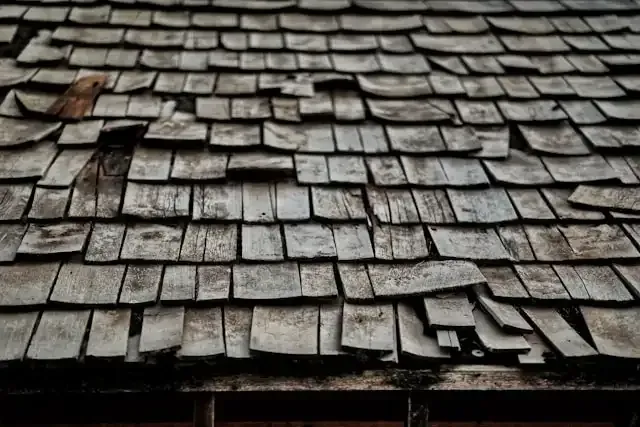
Missing shingles after a windstorm are more than an eyesore. Even one small bare spot can leave parts of your roof exposed to rain, wind-driven moisture, and debris. At 5 Stars Roofing, we recommend treating missing shingle wind damage as a reason to have the roof checked, not as something to watch from a distance.
The full damage is not always clear from the ground. A few missing shingles may be the only obvious sign, while nearby shingles, fastening points, or adhesive seals may have also been affected.
Missing Shingles May Point to Wider Wind Damage
Wind does not always remove shingles all at once. Often, strong gusts lift the edges first. That movement can weaken the seal that helps shingles stay in place, leaving the surrounding area more likely to shift during the next storm.
Roof edges, ridges, valleys, and areas around vents or other roof openings can face stronger wind pressure. The age of the roof, its slope, its exposure to wind, installation details, and the storm’s direction can all affect how damage appears. A shingle that is still attached may be creased, loose, or slightly out of line.
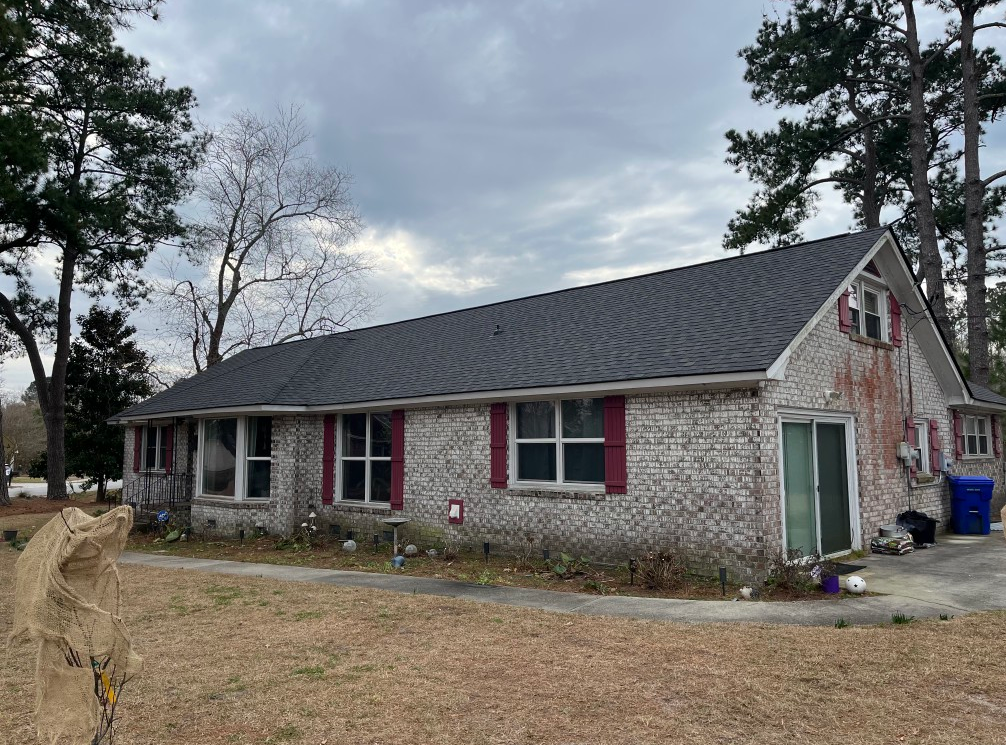
From a safe spot on the ground, you may notice signs such as:
- Bare areas where shingles are gone
- Uneven shingle lines or lifted corners
- Shingles or pieces of roofing material in the yard
- Granules gathering near downspouts
- Debris resting on the roof or around the building
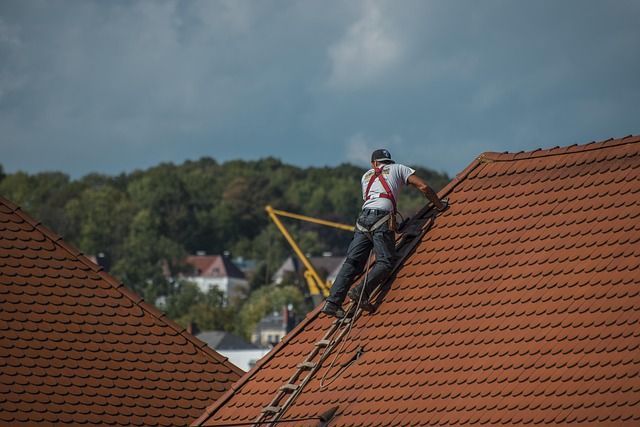
Please do not climb onto a roof after wind damage. Wet surfaces, loose materials, and hidden weak spots can make a roof unsafe to walk on. Instead, we suggest taking photos from the ground, making note of what you can see, and having a roofing professional inspect the area.
Small Openings Can Lead to Hidden Water Concerns
A missing shingle can expose materials beneath the roof covering. If rain reaches that opening, moisture may move into the underlayment, roof decking, insulation, ceilings, walls, or other parts of the property. That does not mean every missing shingle will lead to a major interior problem, but it does mean the area should not be ignored.
Water also does not always show up where it entered. It can travel along roof components before becoming visible inside. By the time you spot a ceiling stain, the moisture may have moved some distance from the original opening.
Signs worth watching for include:
- Ceiling stains or peeling paint
- Damp areas in attic spaces
- Musty odors indoors
- Moisture near walls or roof transitions
- Changes around vents, light fixtures, or upper-floor ceilings
When we inspect missing shingle wind damage, we look beyond the obvious bare spot. Nearby shingles, flashing, vents, roof transitions, drainage areas, and exposed materials may need attention too. A timely inspection helps clarify whether the damage appears limited or whether moisture has created other concerns.
September Weather Makes Roof Checks Timely
September can bring strong winds, heavy rain, tropical weather, and fast-moving thunderstorms to South Carolina. When storm systems arrive close together, damage from the first event may become worse during the next round of rain or wind.
A roof that has already lost shingles is more exposed than it was before. Even if no leak is visible indoors, another storm may push water into an area that was previously protected. That is why a post-storm roof check can be helpful before weather changes again.
After a wind event, we recommend a few safe, practical steps:
- Note the date and general conditions of the storm
- Photograph visible roof changes and debris from a safe distance
- Save any shingles or roofing pieces found on the ground
- Clear loose branches from around the property when it is safe
- Monitor indoor spaces for signs of moisture
Avoid using temporary fixes that could damage the roof or create a safety risk. Materials placed incorrectly can trap moisture, interfere with drainage, or make a later assessment harder. We serve residential, commercial, and industrial properties throughout South Carolina, and we can evaluate roofing and restoration needs after wind-related damage.
An Inspection Helps Clarify the Right Repair Plan
The visible missing shingles may be only one part of the issue. A professional inspection helps us determine whether the damage is limited to one section or whether nearby materials have been affected by lifting, loosened seals, or moisture exposure.
During an assessment, we may examine shingle condition, exposed materials, flashing, vents, roof edges, drainage areas, and signs of water intrusion. For commercial and industrial properties, we also consider the roof system type, the building’s use, and areas where water could affect operations or stored materials.
Keeping records can make the situation easier to understand. Photos, storm dates, visible debris, notes about leaks, and changes inside the property can help create a clear timeline. You can also ask us about the condition of adjacent materials, what repairs are recommended, and how the roof may be better prepared for future weather.
Some roofs need a focused repair. Others may need broader restoration planning. The right answer depends on what the inspection shows, not just on how many shingles are missing.
Act Before Another Storm Reveals More Damage
Missing shingles are a clear reminder that wind can affect a roofing system in ways that are not always visible from the ground. Prompt attention gives you a better chance to identify exposed areas and understand the condition of the roof before more rain and wind arrive.
Rather than waiting for an interior leak to reveal a larger concern, document what you can see safely and arrange for a professional assessment. Clear answers about the missing area, nearby shingles, and possible moisture exposure can help you make informed decisions about the next step.
Protect Your Roof With Timely Repairs
At 5 Stars Roofing, we provide thorough inspections and
storm damage roof repair services to help protect vulnerable areas of your roof. Our team can identify related concerns and recommend practical repair options based on your roof's condition. When you are ready to discuss your roofing needs,
contact us to request an assessment.