How Long Does a Residential Roof Last? Complete Lifespan Guide for Every Roofing Material

June 18, 2026
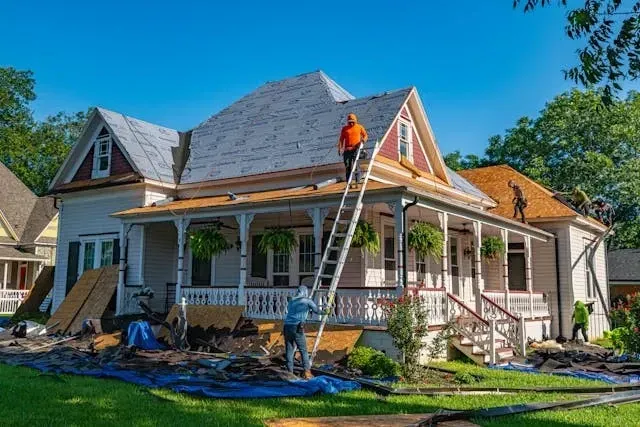
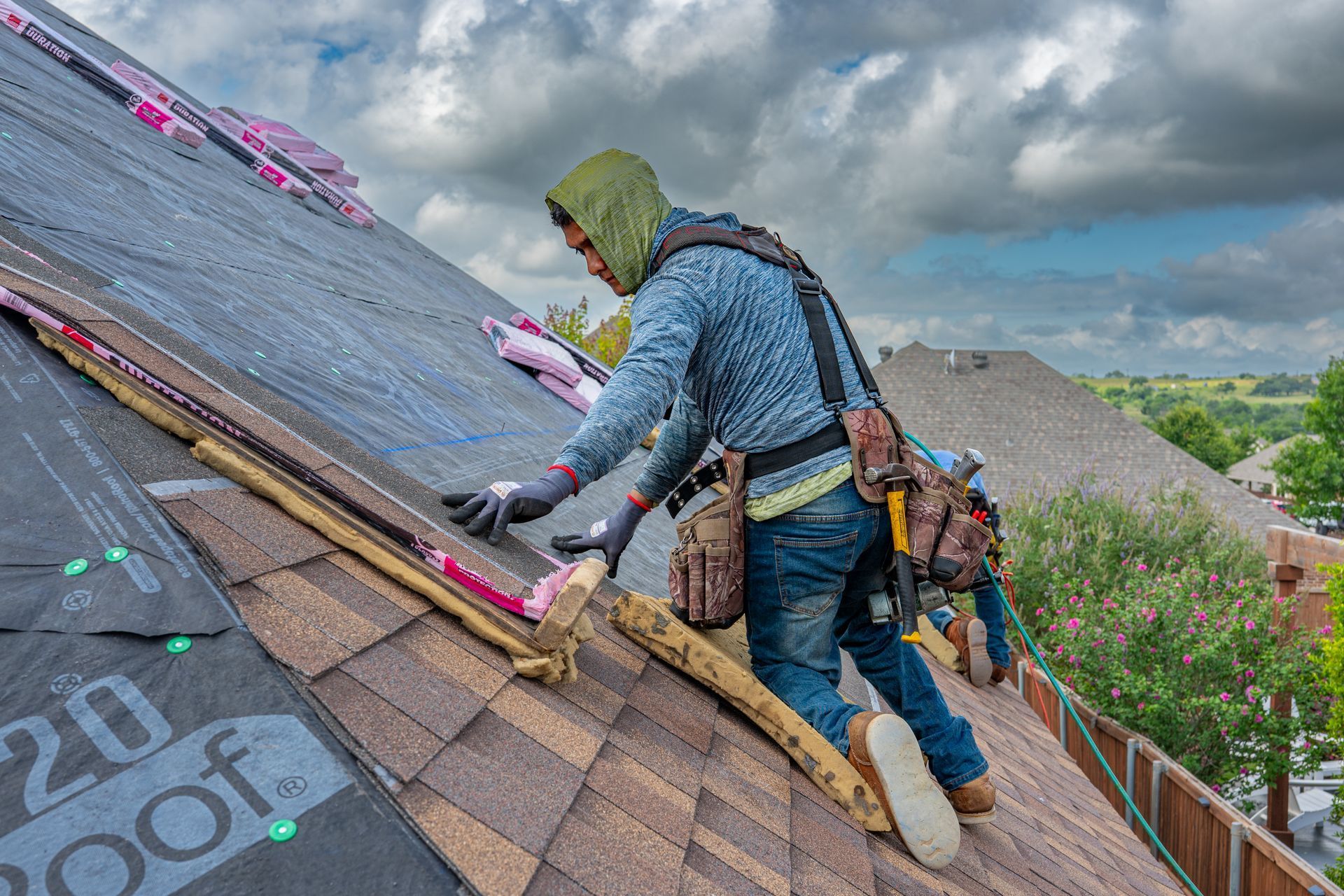
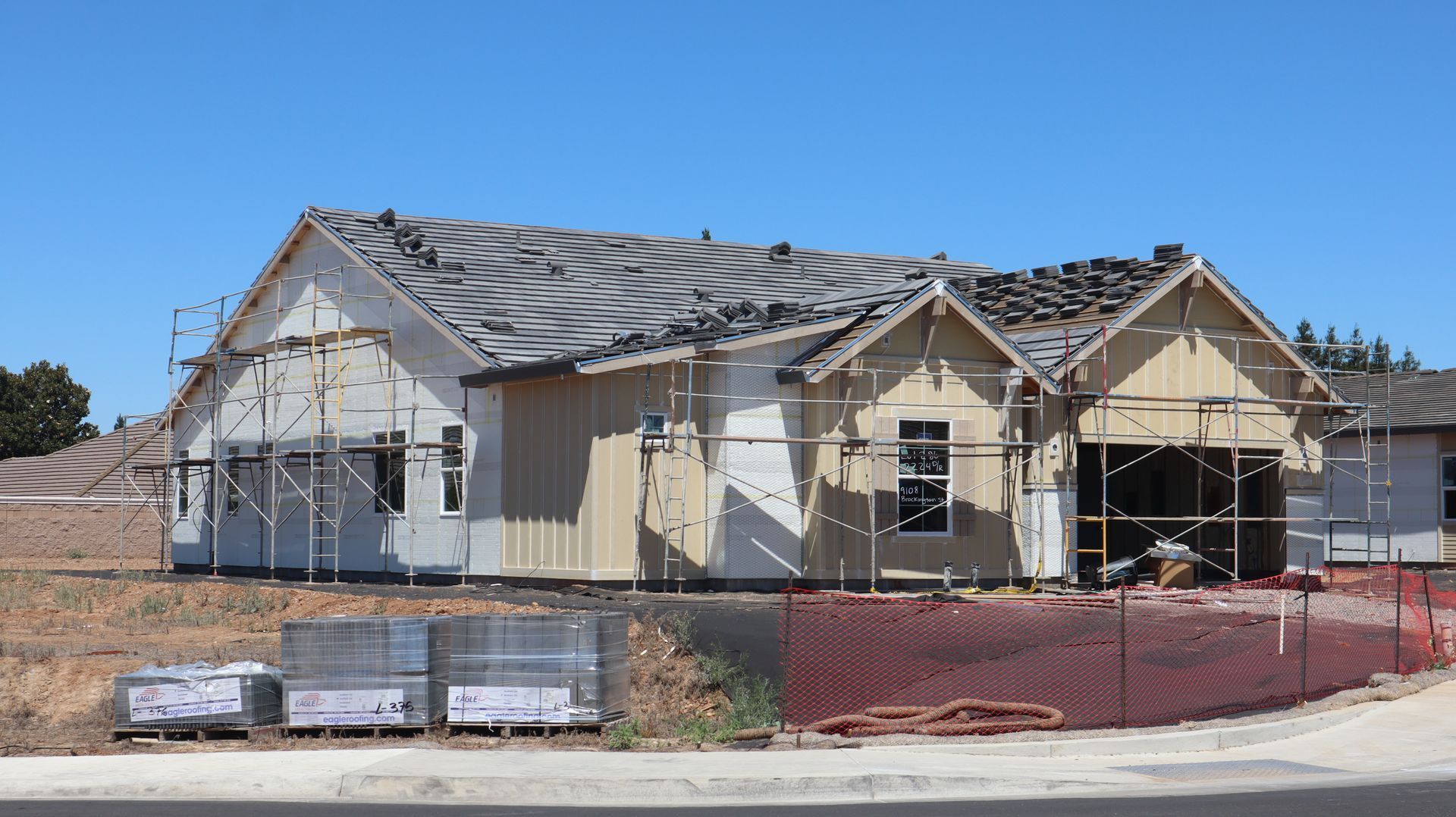
Residential roof replacement project with roofing contractors installing new shingles on a large family home.

Your roof is one of the most crucial components of your home. It protects your property from rain, wind, heat, humidity, and storms and also adds energy efficiency and property value. Of course, many homeowners ask the same question, how long does a residential roof last?


It depends on the roofing material, weather conditions, installation quality and maintenance. Some roofs only last 15 years, but premium roofing systems can cover a home for almost 100 years. Understanding roof longevity helps homeowners make better long-term investments and steer clear of expensive repairs. 


Average Lifespan of Residential Roofing Materials: From Asphalt to Long Lasting Residential Metal Roofing


Different roofing materials have varying levels of durability and performance. Here is an overview of the most prevalent residential roofing alternatives.


Asphalt Shingle Roofs: 15–30 Years


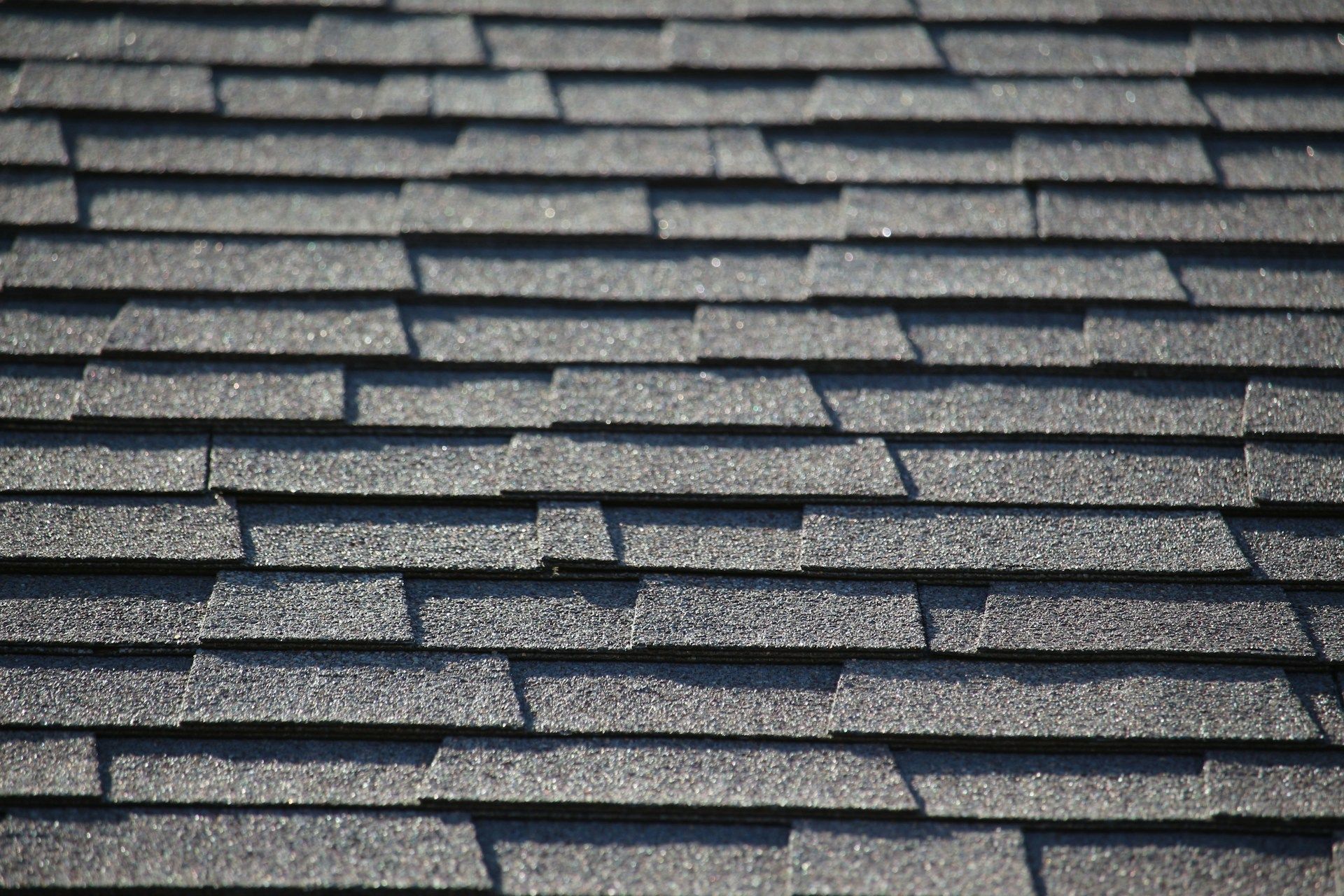
Asphalt shingles are the most used roofing material since they are simple and inexpensive to install. A typical 3-tab shingle roof will last about 15 to 20 years, whereas an architectural shingle roof, with good care, can last up to 30 years.


But high heat, humidity, strong rains and poor ventilation might decrease their life expectancy. Regular examination is crucial so that damage is found at an early stage. 


Metal Roofs: 40–70+ Years


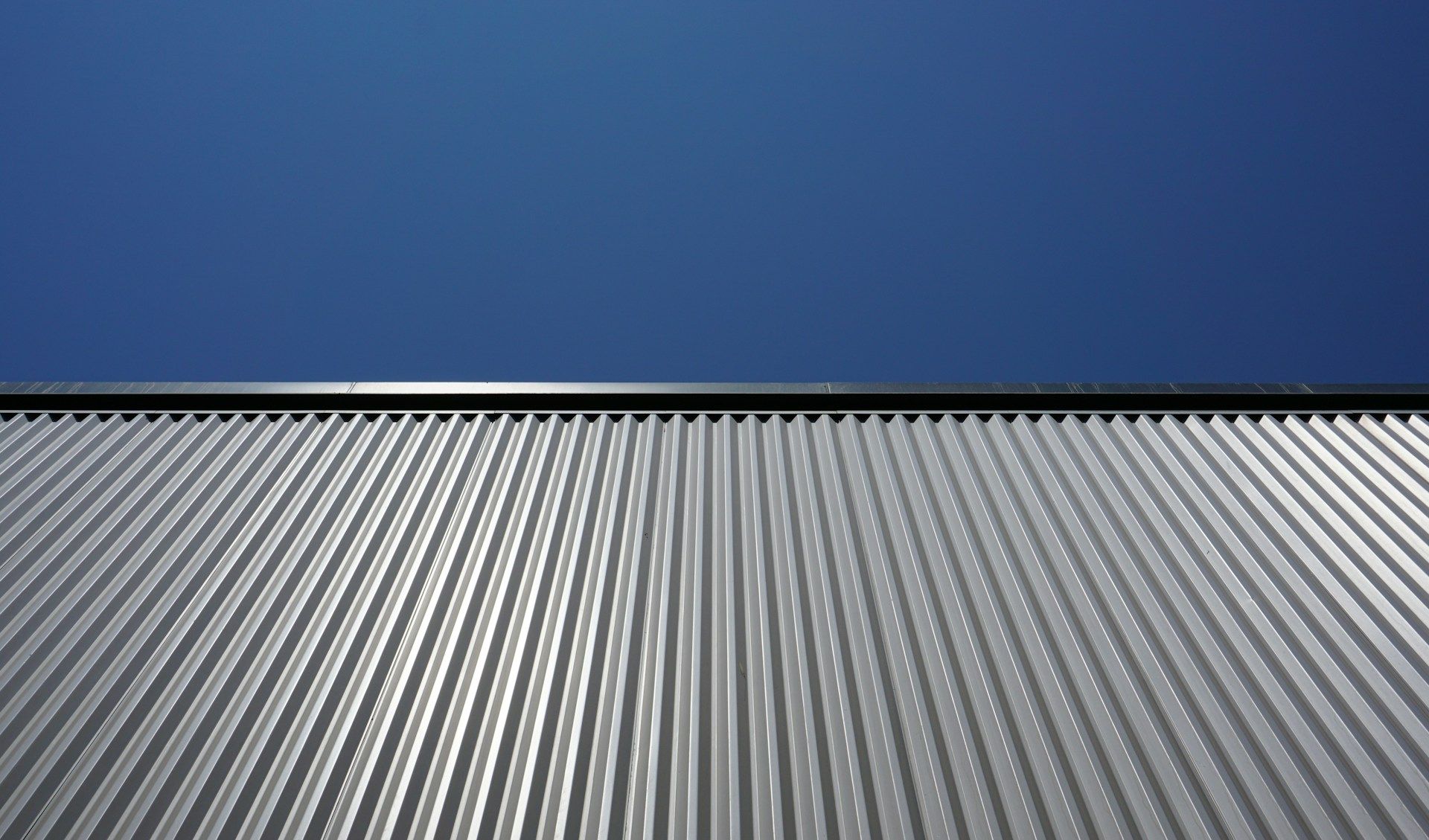
Today’s long lasting residential metal roofing systems are growing in popularity because they are durable and energy efficient. Metal roofs often survive anywhere from 40 to 70 years or more.


They’re less prone to cracking, shrinkage, moisture damage, and extreme weather than many traditional roofing materials. Metal roofing reflects sunlight. This helps homeowners minimize their cooling bills in warm seasons.


For homeowners seeking long-term value and storm resilience, metal roofing is typically a smart investment. 


Copper Roofs: 70–100+ Years


Copper roofing is one of the most durable and premium roofing alternatives available. Many homeowners seeking long lasting copper roof suppliers residential projects opt for copper due to its remarkable longevity and stylish look.


Copper is inherently corrosion resistant and will acquire a protective patina over time that makes the roof stronger against harm from weather. The first cost of copper roofing is expensive, but it lasts so long that it often proves a good deal over decades. 


Tile Roofs: 50–100 Years


Clay and concrete tile roofs have been recognized for their durability and classic looks. These roofs are highly useful in warm climates as they are resistant to heat and UV radiation.


Tile roofs can survive over 50 years with correct installation and maintenance. However, due to their weight, dwellings need proper structural support before construction. 


Slate Roofs: 75–150 Years


Slate is one of the most durable roofing materials on the market. A correctly built slate roof can survive easily for over a century.


Not only does slate have the longevity, but it’s also much more fire resistant and naturally beautiful. Slate roofing is pricey but it is a lifetime investment for many homeowners because of its amazing life expectancy.


What Affects Roof Lifespan?


Even the best roofing material might fail prematurely if key elements are neglected.


Climatic conditions


Storms, humidity, intense sunlight, hail and heavy rain all affect the durability of a roof. Roofs tend to deteriorate faster in locations with harsh weather.


Quality of Installation


Poor installation is one of the primary reasons for early roof failure. Improper flashing, improper ventilation and poor sealing can drastically reduce the life of a roof.


When installed correctly, the roofing system will work properly for many years to come.


Roof Maintenance


Regular maintenance is a key to extending roof life. Cleaning gutters, clearing debris, correcting leaks promptly, and scheduling inspections can prevent modest problems from becoming costly repairs. 

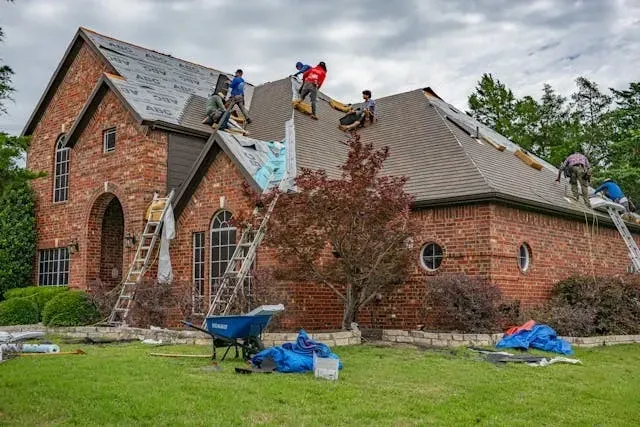
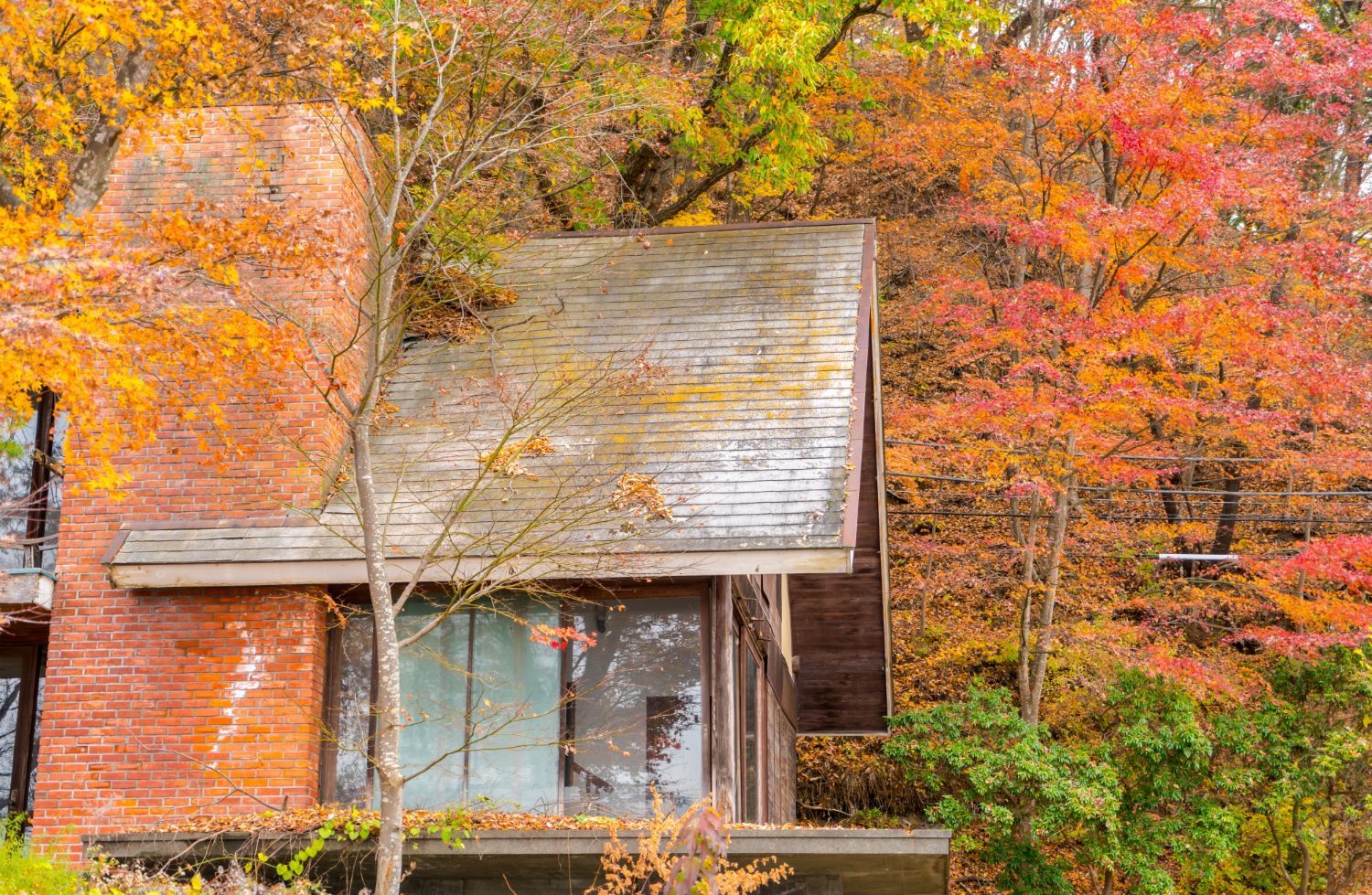
Professional roofing crew performing residential roof installation and shingle replacement on a brick house.

Signs Your Roof May Need Replacement


As your roofs get older, be aware of warning indicators that may suggest repairs or replacement are in order.


Typical signs are:


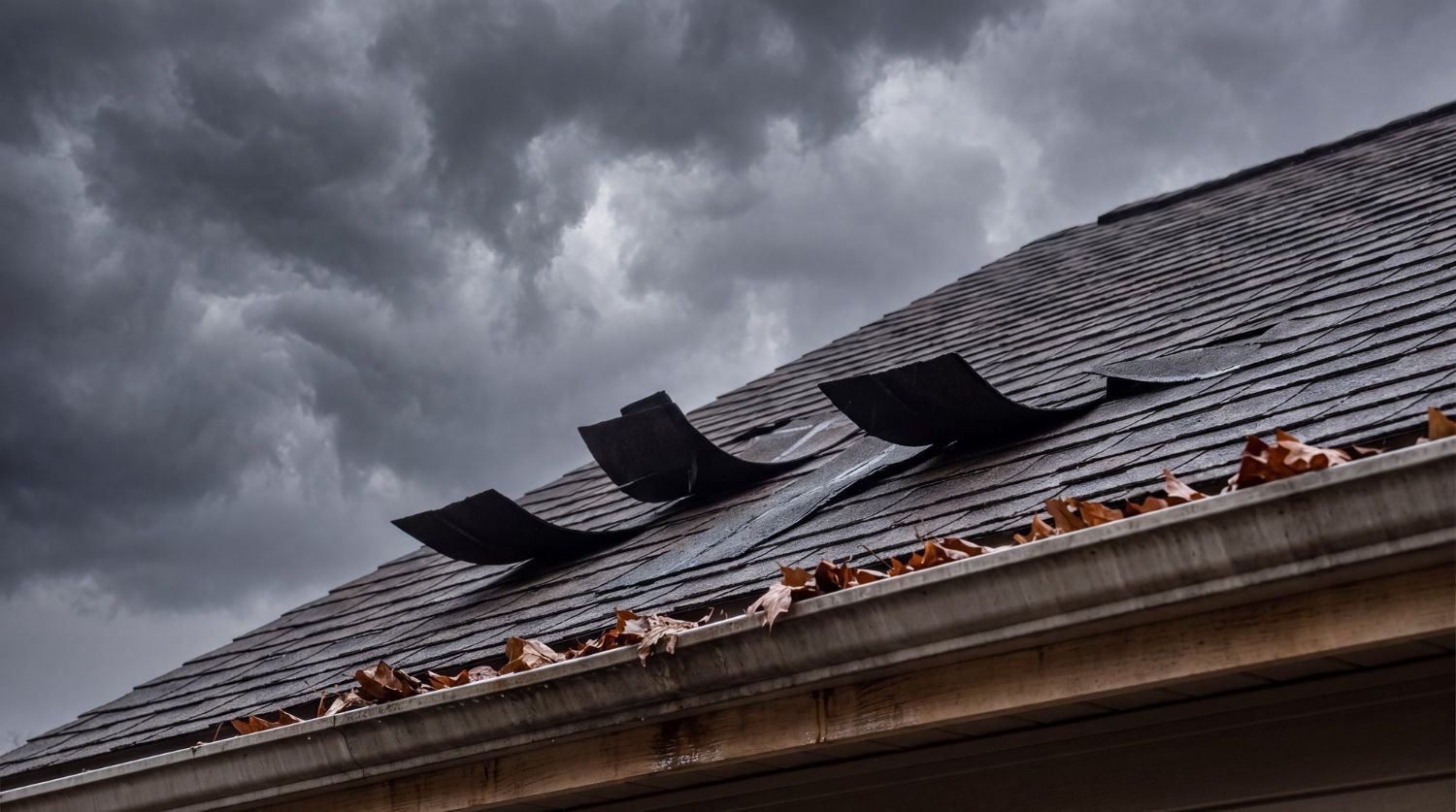
  • Missing or curling shingles
  • Water leaks or ceiling stains
  • Sagging roof areas
  • Mold or moss growth
  • Rust on metal roofing
  • Rising energy bills
  • Excessive shingle granules in gutters


A professional assessment can allow you to choose the best course of action if your roof is approaching the end of its expected life. 


How to Extend the Life of Your Roof


With regular care and preventative maintenance, homeowners may extend the life of their roof.

Helpful tips are:


  • Schedule annual roof inspections
  • Clean gutters regularly
  • Remove debris after storms
  • Repair leaks immediately
  • Improve attic ventilation
  • Replace damaged shingles quickly
  • Choose high-quality roofing materials


Also, working with skilled roofing contractors will help to assure long-term performance and durability. 


Final Thoughts


So, what is the lifespan of a residential roof? It depends on the roofing material, quality of installation, climate and maintenance schedule.


Asphalt roofs may endure 15 to 30 years, but premium systems such as slate, copper and durable residential metal roofing can protect properties for decades. Investing in durable materials and competent installation can save homeowners pricey maintenance when it comes to enhancing energy efficiency and property value.


If your roof is getting old or has problems, the best thing you can do is get a professional assessment to safeguard your property and plan for the future. 


FAQs


How long does a residential roof typically last?


Residential roofs can last anywhere from 15 to over 100 years depending on the material. Asphalt shingles typically last 15–30 years, while metal, copper, and slate roofs last much longer.


What factors affect how long a residential roof lasts?


Roof lifespan depends on material quality, weather conditions, installation standards, ventilation, and regular maintenance.


How do I know when my residential roof needs replacing?


Signs include leaks, missing shingles, sagging areas, rust, mold growth, and increasing energy bills. A professional inspection can confirm whether replacement is needed.


Recent Posts

Columbia Roofer
October 21, 2026
Get your home ready for holiday guests with a roof inspection. A residential roofer in Columbia, SC can spot leaks, damage, and needed repairs early.
Commercial Roofing
October 21, 2026
Learn which tenant complaints signal roofing problems and how commercial roofing contractors can protect your South Carolina property and occupants.
Storm Roof Damage
October 14, 2026
Learn which post-storm errors can turn minor roof issues into major leaks and when to schedule storm roof damage repair to protect your property.
Roof Replacement
October 14, 2026
See how a local roof replacement contractor prepares for weather, schedules materials, protects property, and installs a durable roof built to last.
Roof Repair
October 7, 2026
Learn how summer heat affects shingles, flashing, and leaks, and when to schedule roof repair services in Columbia, SC before damage spreads.
Roof Replacement
October 7, 2026
Discover why autumn weather can make roof replacement in Columbia, SC a smart choice, with tips on timing, materials, and storm readiness planning.
Roofing Contractor
September 30, 2026
Learn how to choose a reliable roofing contractor after summer storms, from checking credentials to comparing estimates and repair options carefully.
Fall Weather
September 30, 2026
Learn how cooler days, warm afternoons, and seasonal moisture affect your roof and when to schedule asphalt shingle repair services before winter arrives.
Shingle Roof
September 23, 2026
Learn how asphalt shingle granule loss can expose shingles to UV damage, reduce weather resistance, and signal when your roof needs prompt attention.
Roof Flashing
September 23, 2026
Learn how weather, poor installation, and aging seals cause roof flashing failure around chimneys, vents, and skylights, and when to schedule repairs.
Show More