Your roof is one of the most crucial components of your home. It protects your property from rain, wind, heat, humidity, and storms and also adds energy efficiency and property value. Of course, many homeowners ask the same question, how long does a residential roof last?
It depends on the roofing material, weather conditions, installation quality and maintenance. Some roofs only last 15 years, but premium roofing systems can cover a home for almost 100 years. Understanding roof longevity helps homeowners make better long-term investments and steer clear of expensive repairs.
Average Lifespan of Residential Roofing Materials: From Asphalt to Long Lasting Residential Metal Roofing
Different roofing materials have varying levels of durability and performance. Here is an overview of the most prevalent residential roofing alternatives.
Asphalt Shingle Roofs: 15–30 Years
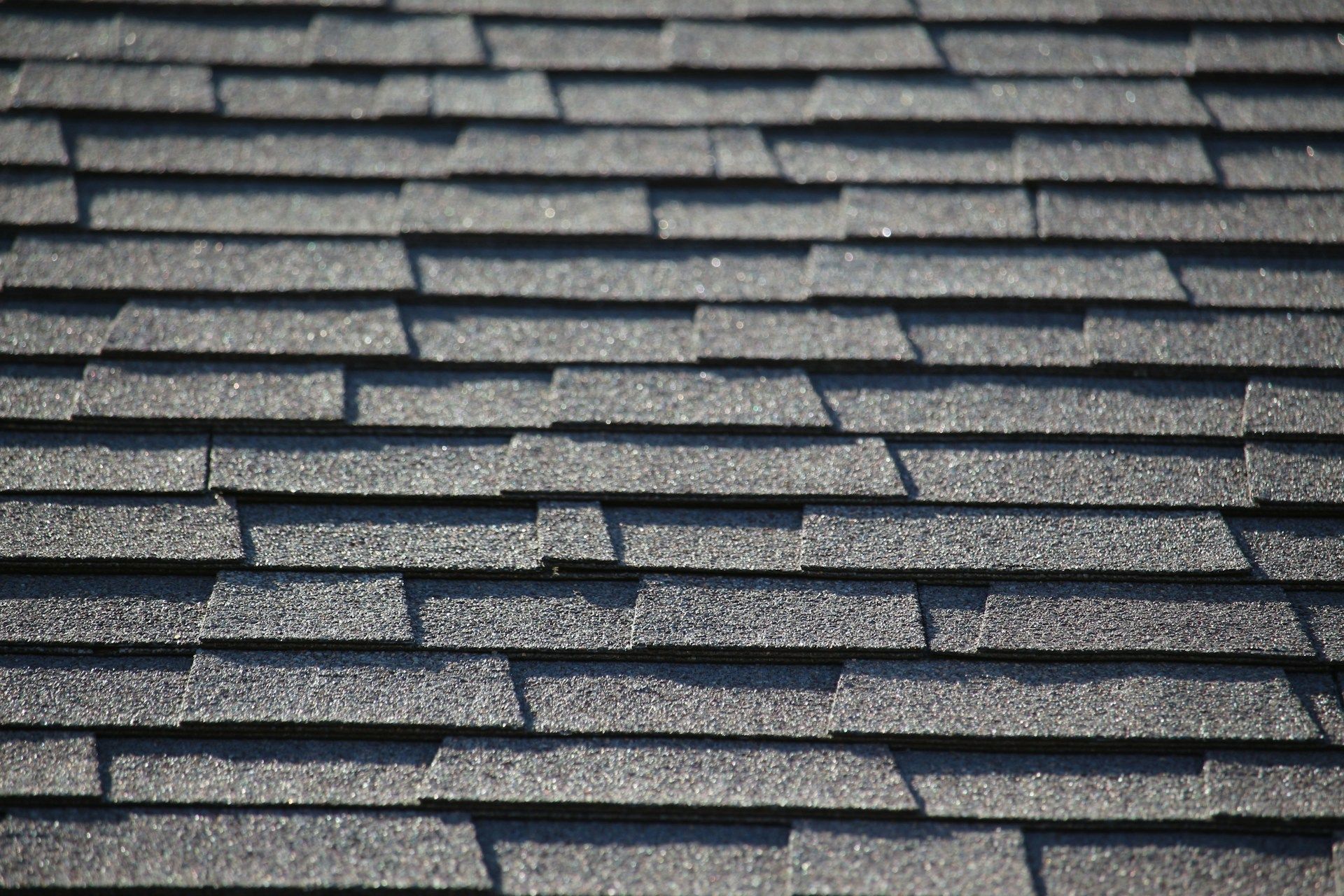
Asphalt shingles are the most used roofing material since they are simple and inexpensive to install. A typical 3-tab shingle roof will last about 15 to 20 years, whereas an architectural shingle roof, with good care, can last up to 30 years.
But high heat, humidity, strong rains and poor ventilation might decrease their life expectancy. Regular examination is crucial so that damage is found at an early stage.
Metal Roofs: 40–70+ Years
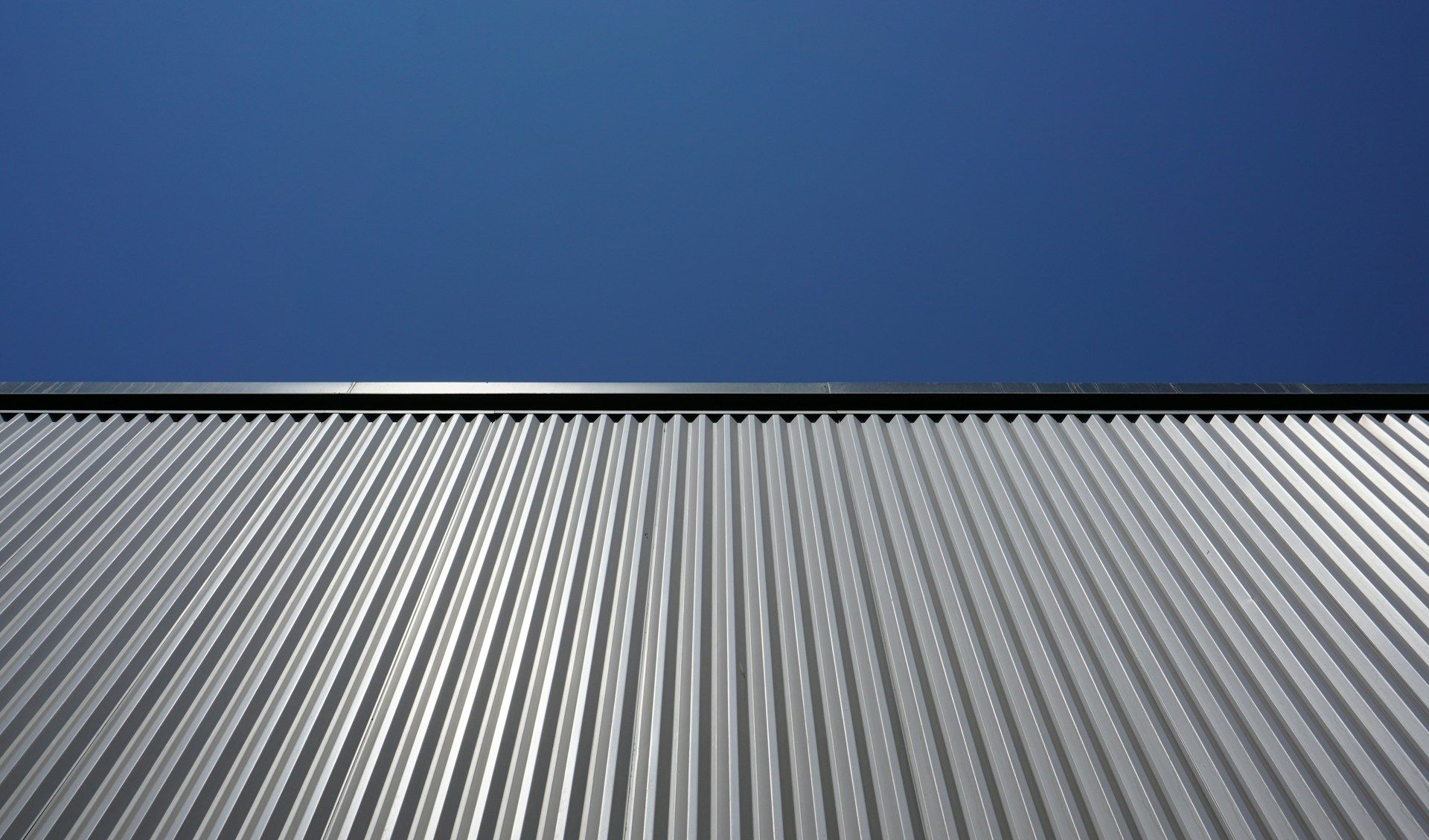
Today’s long lasting residential metal roofing systems are growing in popularity because they are durable and energy efficient. Metal roofs often survive anywhere from 40 to 70 years or more.
They’re less prone to cracking, shrinkage, moisture damage, and extreme weather than many traditional roofing materials. Metal roofing reflects sunlight. This helps homeowners minimize their cooling bills in warm seasons.
For homeowners seeking long-term value and storm resilience, metal roofing is typically a smart investment.
Copper Roofs: 70–100+ Years
Copper roofing is one of the most durable and premium roofing alternatives available. Many homeowners seeking long lasting copper roof suppliers residential projects opt for copper due to its remarkable longevity and stylish look.
Copper is inherently corrosion resistant and will acquire a protective patina over time that makes the roof stronger against harm from weather. The first cost of copper roofing is expensive, but it lasts so long that it often proves a good deal over decades.
Tile Roofs: 50–100 Years
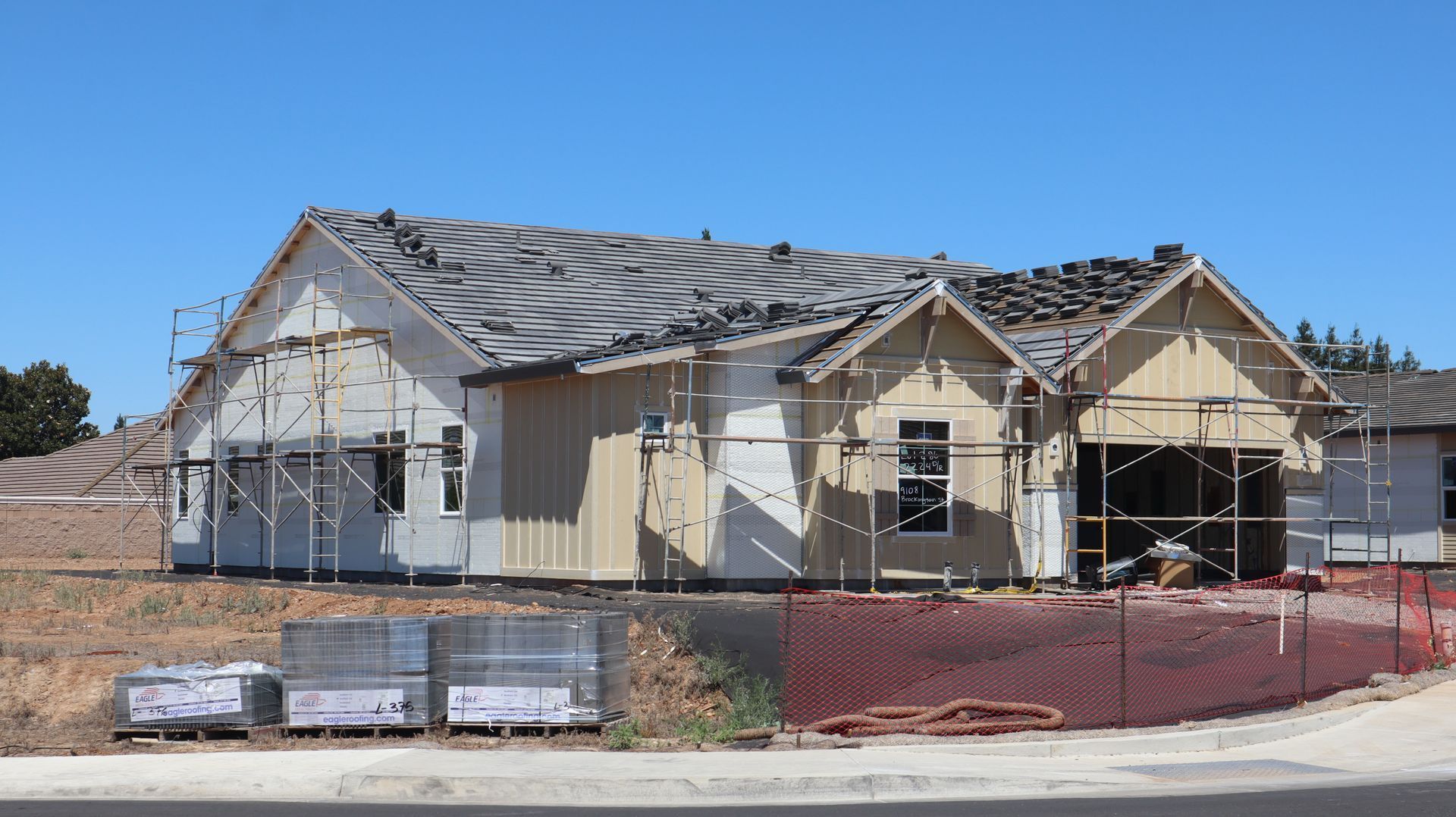
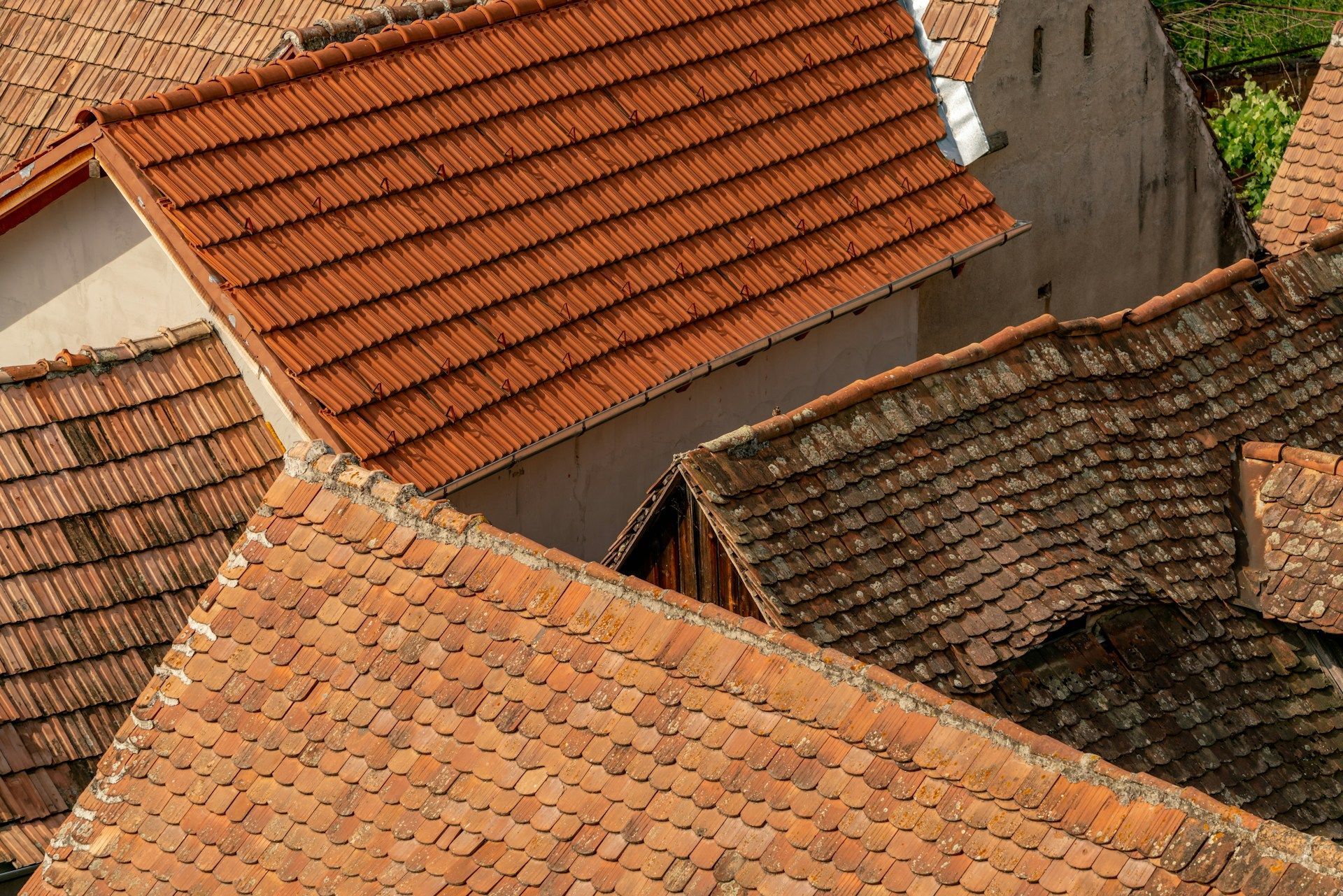
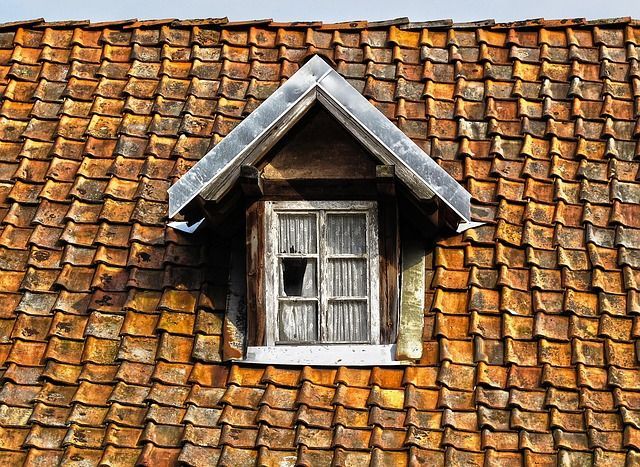
Clay and concrete tile roofs have been recognized for their durability and classic looks. These roofs are highly useful in warm climates as they are resistant to heat and UV radiation.
Tile roofs can survive over 50 years with correct installation and maintenance. However, due to their weight, dwellings need proper structural support before construction.
Slate Roofs: 75–150 Years
Slate is one of the most durable roofing materials on the market. A correctly built slate roof can survive easily for over a century.
Not only does slate have the longevity, but it’s also much more fire resistant and naturally beautiful. Slate roofing is pricey but it is a lifetime investment for many homeowners because of its amazing life expectancy.
What Affects Roof Lifespan?
Even the best roofing material might fail prematurely if key elements are neglected.
Climatic conditions
Storms, humidity, intense sunlight, hail and heavy rain all affect the durability of a roof. Roofs tend to deteriorate faster in locations with harsh weather.
Quality of Installation
Poor installation is one of the primary reasons for early roof failure. Improper flashing, improper ventilation and poor sealing can drastically reduce the life of a roof.
When installed correctly, the roofing system will work properly for many years to come.
Roof Maintenance
Regular maintenance is a key to extending roof life. Cleaning gutters, clearing debris, correcting leaks promptly, and scheduling inspections can prevent modest problems from becoming costly repairs.